

What Is Fine Art Photography?
Fine Art Photography as Artistic Photography with an Authorial and Expressive Dimension
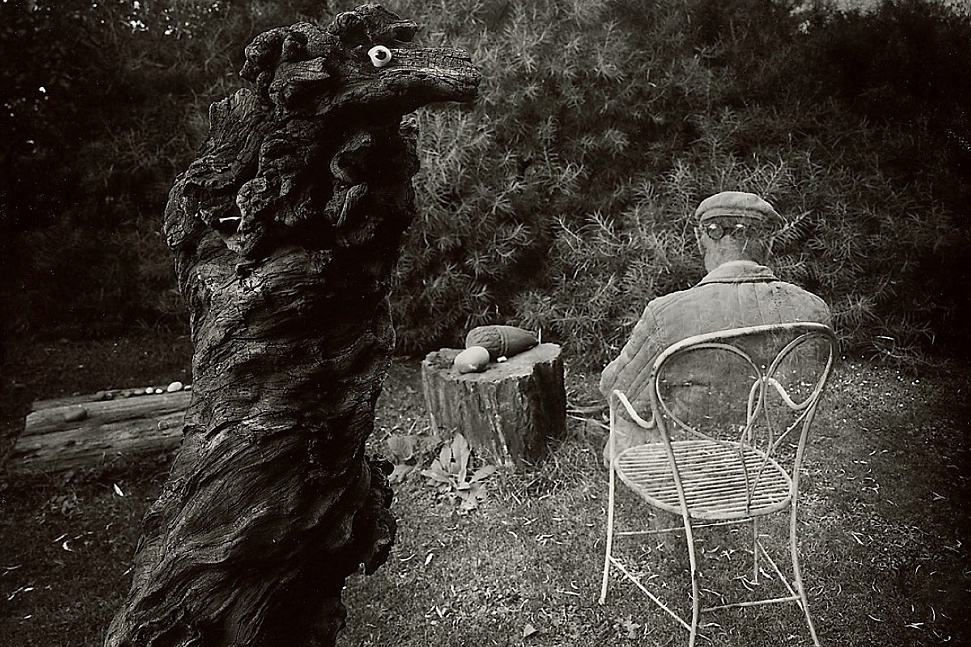
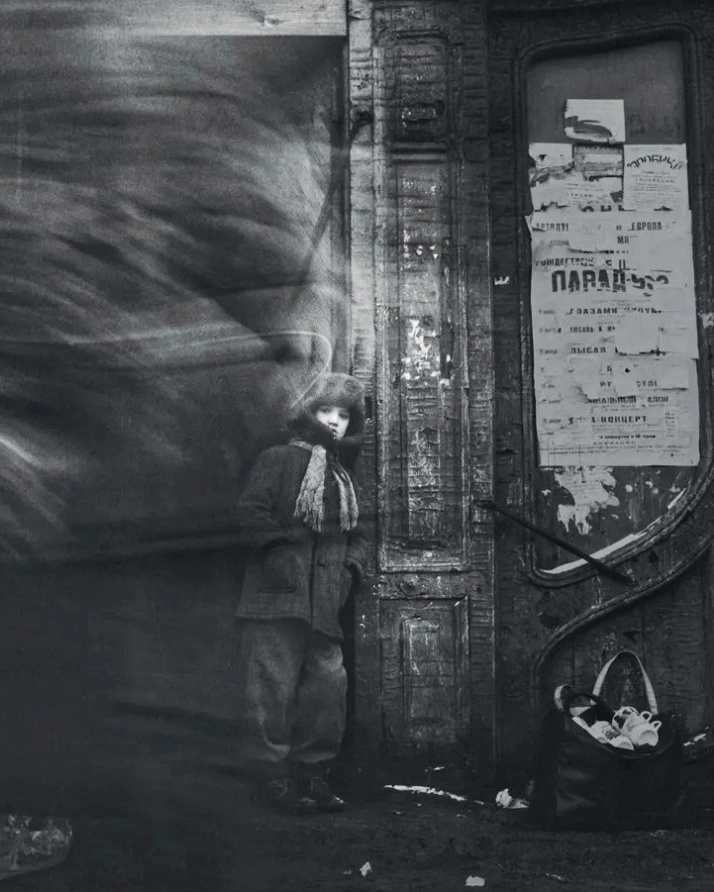
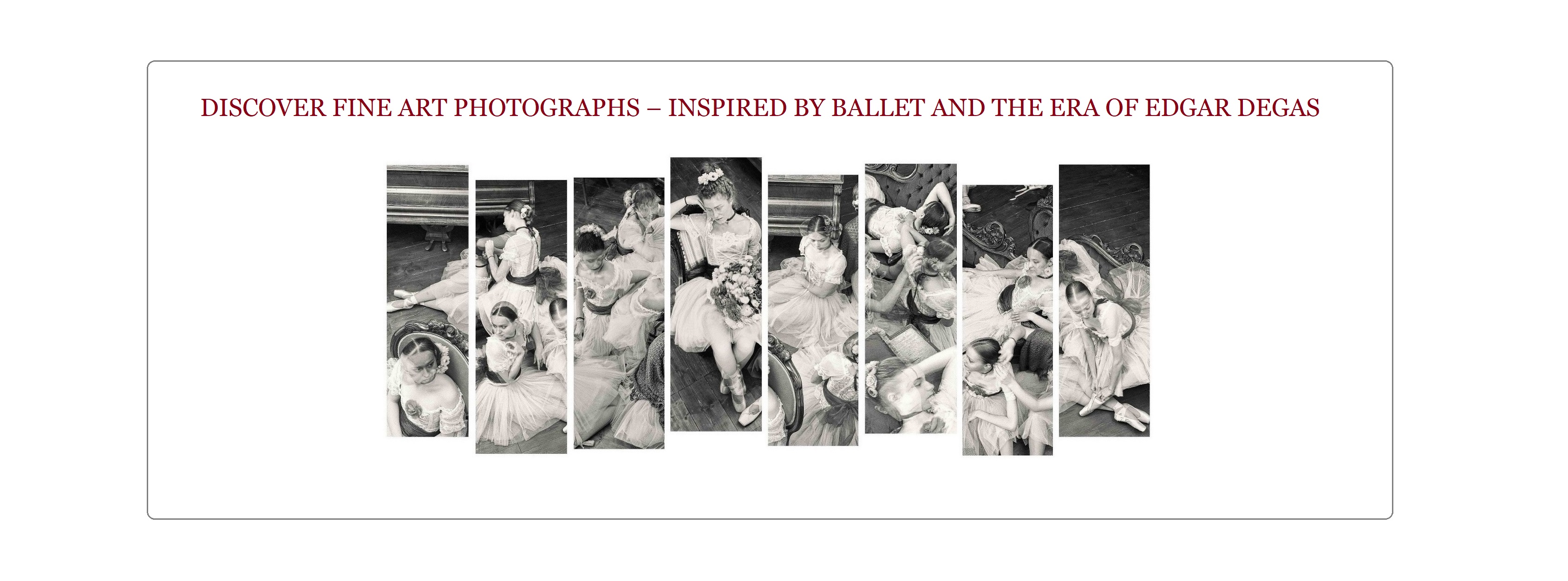
Fine art photography can be described, simply put, as photography that is created not merely to record, show, or describe something, but above all to express something. It is therefore not only about what appears in the image, but also about the feeling, mood, idea, or personal vision that the photograph conveys. Here, the photographer does not focus solely on a faithful depiction of reality, but works with the image as with a work of art. Light, composition, atmosphere, symbolism, and the artist’s overall visual language all play an important role. This is precisely what distinguishes fine art photography from ordinary documentary, reportage, or purely commercial photography. In a broader sense, it may also be understood as artistic photography, that is, photography with an aesthetic and personal dimension.
The History of Fine Art Photography and Its Roots in the 19th Century
Today, it may seem as though this is mainly a term of recent years, because the label fine art is encountered far more often than it used to be. In reality, however, the idea of photography as art is nothing new. Its roots reach back to the 19th century, when the question increasingly arose as to whether photography could be regarded as seriously as painting or printmaking. The greatest expansion of the term fine art photography itself came much later, especially with the rise of digital photography. Digital technologies, photo-editing software, filters, and new printing possibilities made this approach to image-making far more accessible to the wider public. As a result, many more people today can create images with an artistic impression than in the past, even without years of experience in traditional photographic techniques or darkroom practice. That is also why fine art photography may appear to be a phenomenon of only recent years. In truth, however, its essence is much older and is rooted in an idea that has been with us for well over a century.
Pictorialism and the Pictorialists as Precursors of Fine Art Photography
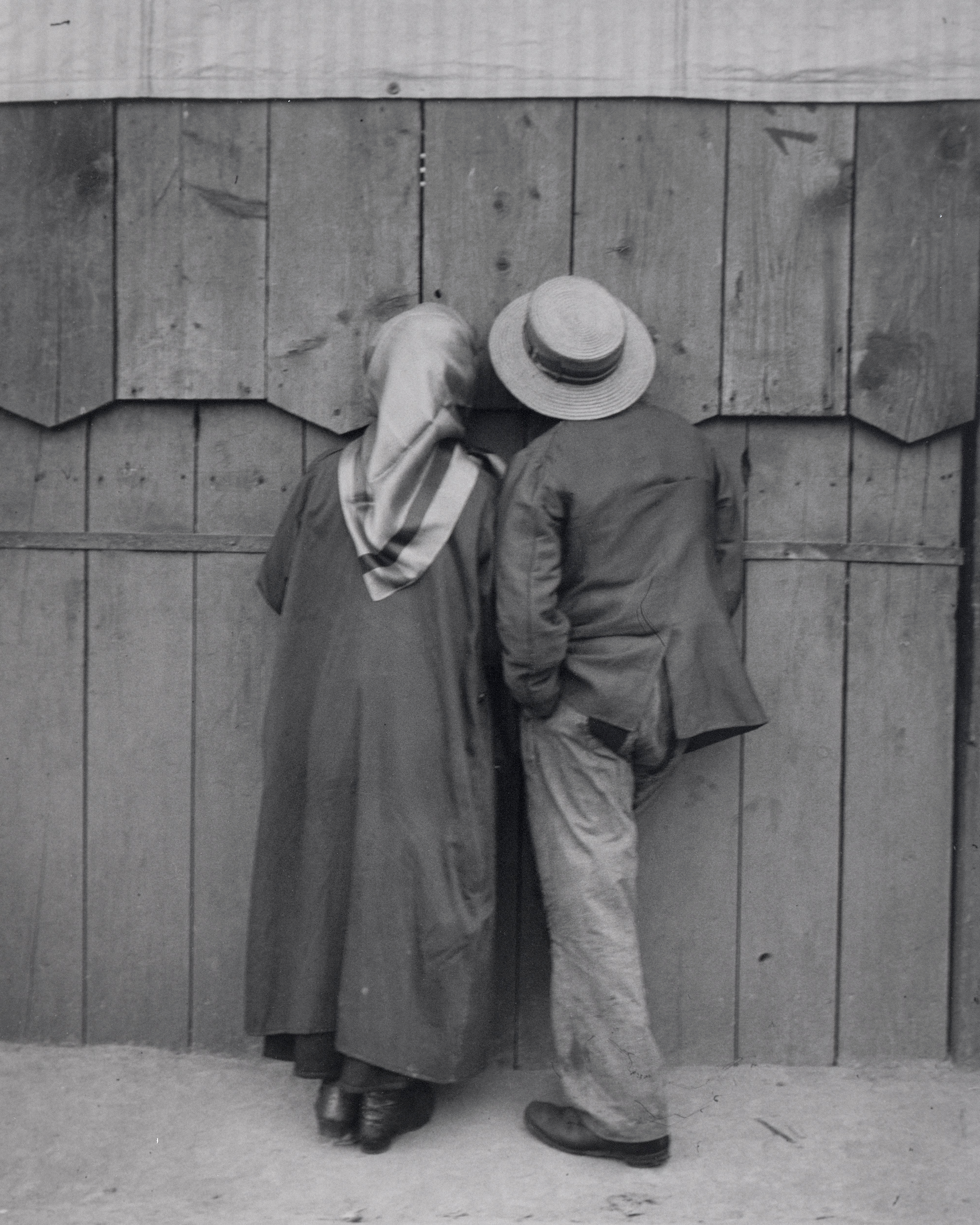
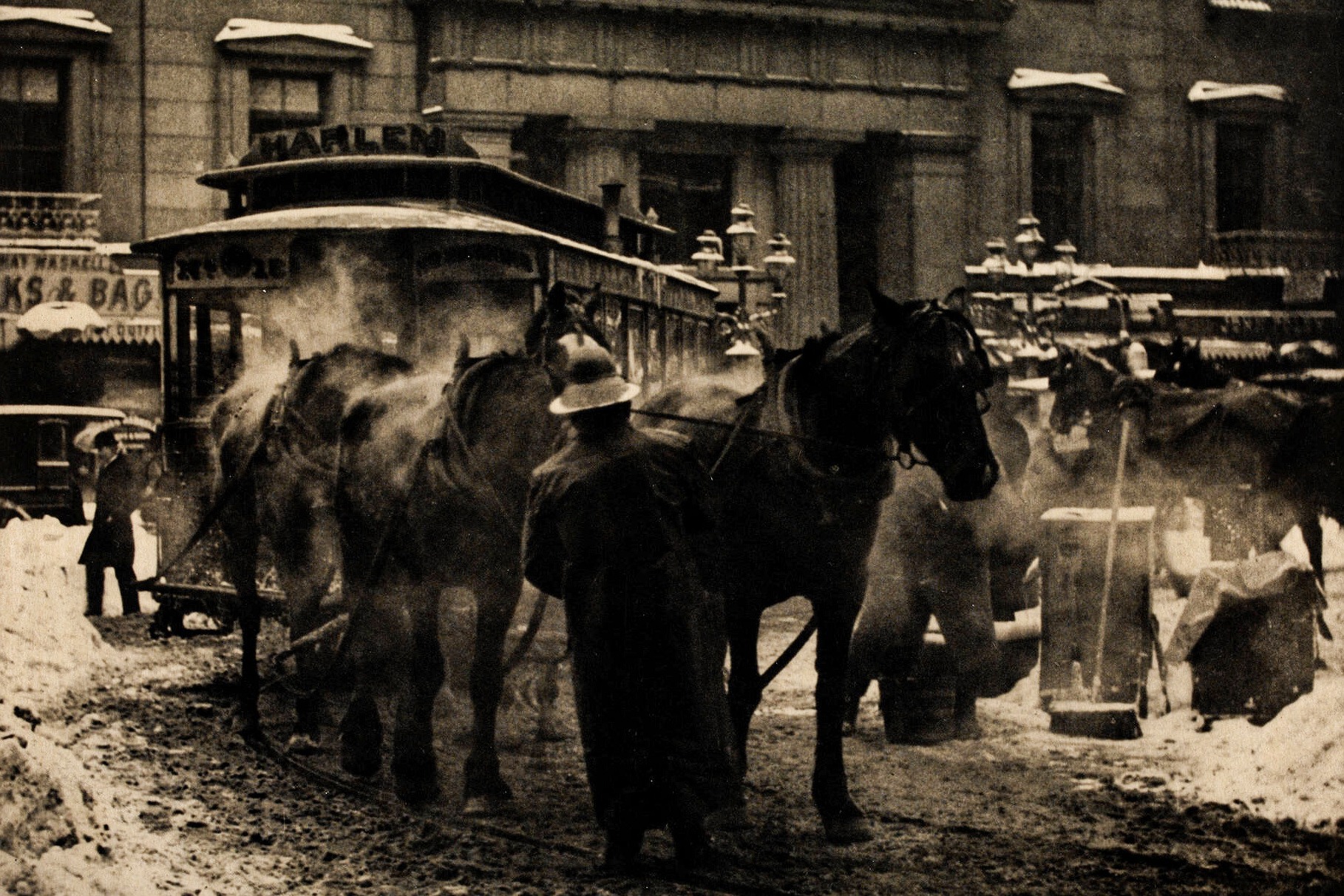
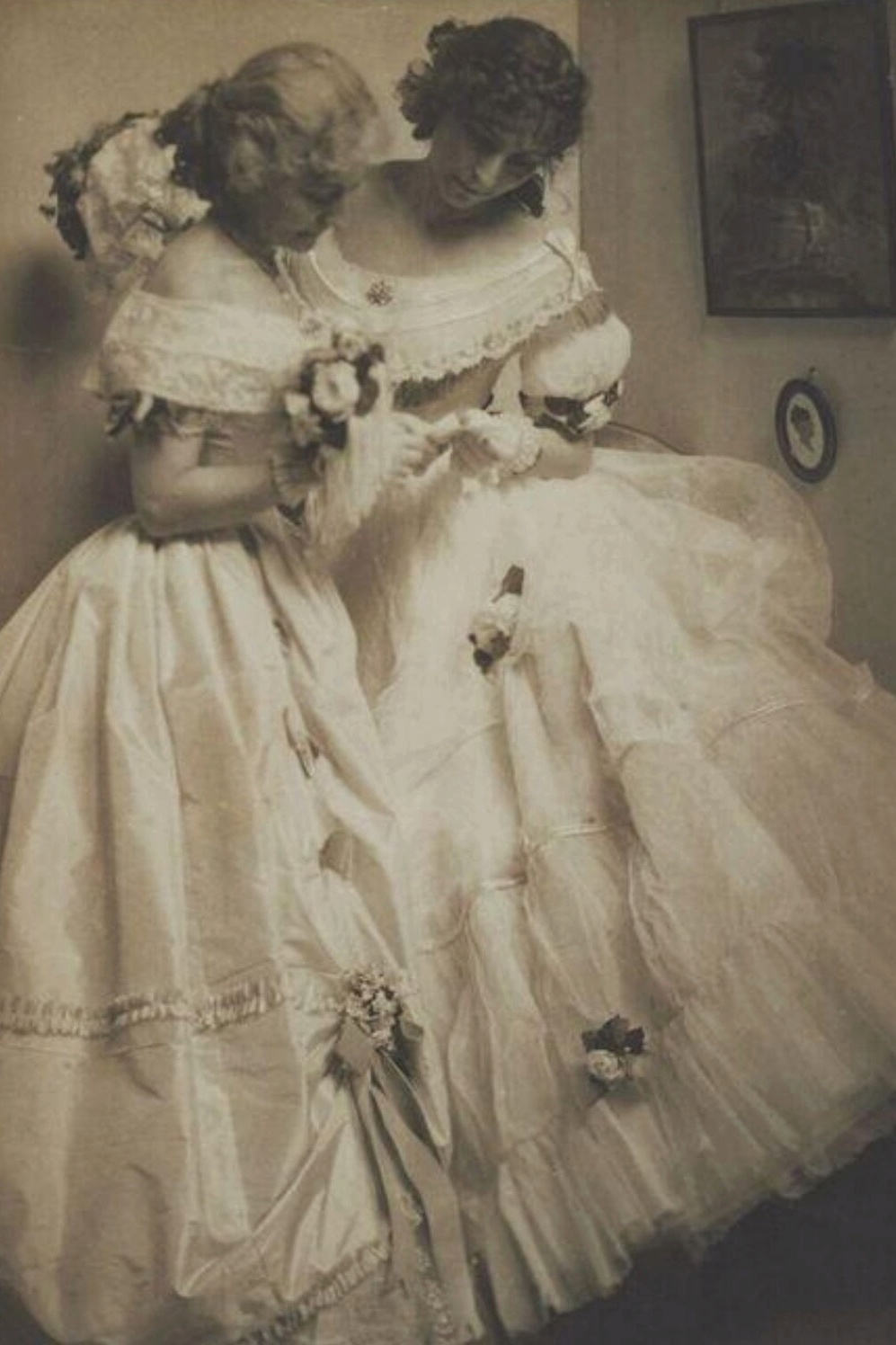
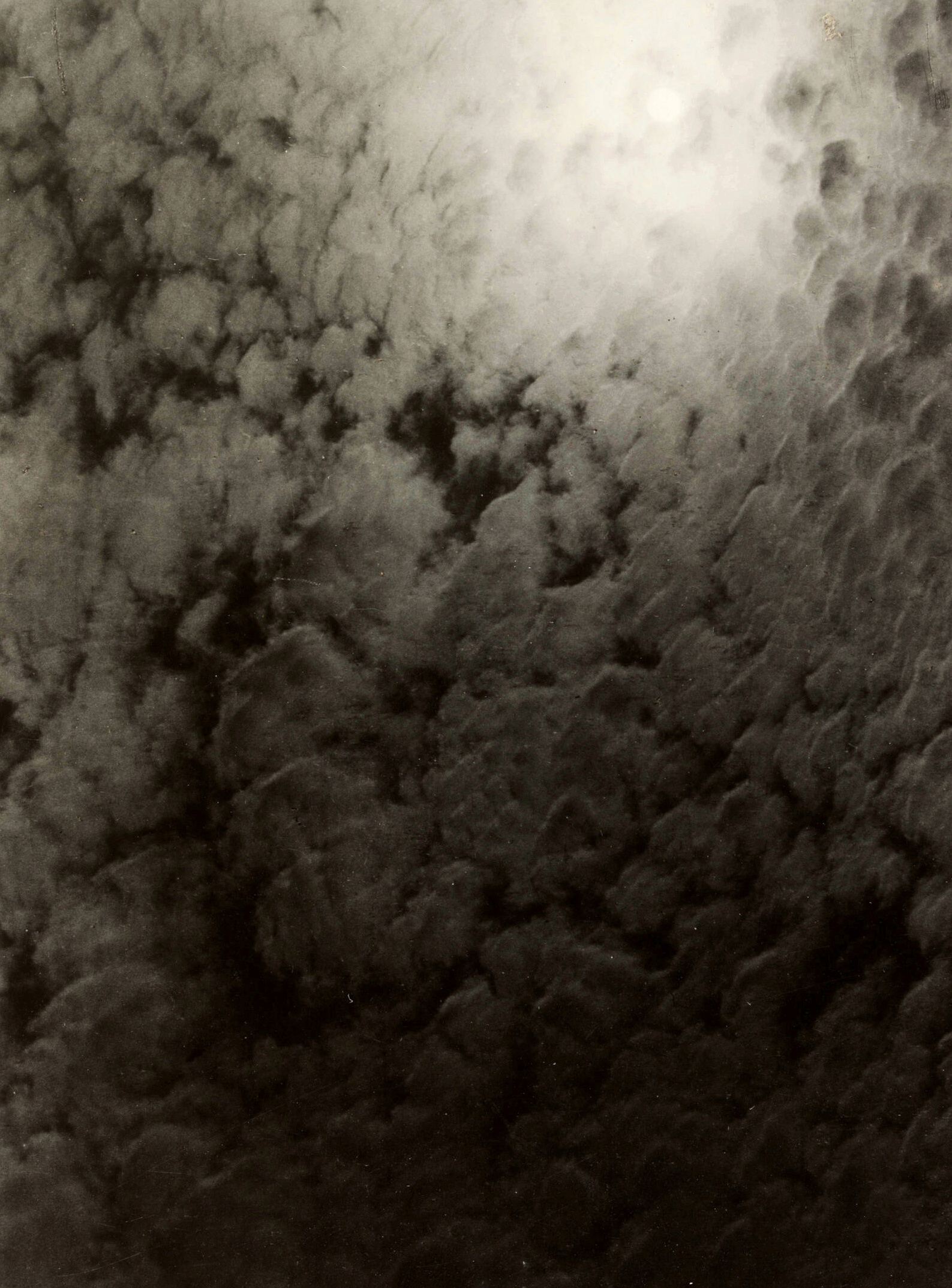
It could be said that some of the earliest precursors of what we now call fine art photography were the pictorialists, who were active mainly at the turn of the nineteenth and twentieth centuries. They sought to demonstrate that photography did not have to serve merely as a precise record of reality, but could also be an art form. For the pictorialists, what mattered was not only what was depicted in the photograph, but above all the atmosphere, light, composition, tonality, and the overall impression of the image. For this reason, they often created photographs that appeared softer, gentler, and more painterly, at times even dreamlike or melancholic. Their aim was not simply technical perfection, but emotion, mood, and the personal vision of the author. In this way, they showed that a photographer need not be merely someone who presses the shutter, but a true creator of images.
The printing processes themselves were also of great importance to the pictorialists, because these techniques allowed them to shape the final image more deliberately. Among the most favoured processes were gum bichromate, platinum printing, and bromoil, all of which made it possible to intervene more directly in the final appearance of the photograph and often gave it a softer, subtler, and more distinctly artistic character. Through such methods, photography could acquire a far more individual quality and come closer to the character of a work of art. This was one of the great strengths of pictorialism, because it was not concerned merely with the depiction of a subject, but with the overall artistic conception of the image.
Fine Art Photography, the Sale of Photographs, and Its Importance in Today’s Market
Today, fine art photography is understood above all as photography conceived as a personal, authorial, and artistic work. It is an image in which the subject itself is not the only thing that matters, but also the emotion, idea, and manner of execution. It does not refer to one specific style, because fine art may take the form of portraiture, landscape, nude, still life, or staged photography. What matters is not the genre, but the author’s intention and the strength of the final image. That is precisely why artistic photography is now an important part of both the gallery world and the market for collectible art.
Fine art photography and the sale of photographs thus form a field in which artistic value, personal expression, and both collectible and investment potential come together. Although photography is now fully recognized as an artistic medium and enjoys the respect of galleries and collectors alike, the works of many emerging and mid-career photographers still tend to be more affordable than painting or other traditional visual art forms. This is one of its key advantages. For many people, artistic photography can therefore represent a natural and more accessible way to begin collecting art or to bring an original authored work with genuine artistic value into their home.
Alfred Stieglitz and Other Important Figures in Fine Art Photography
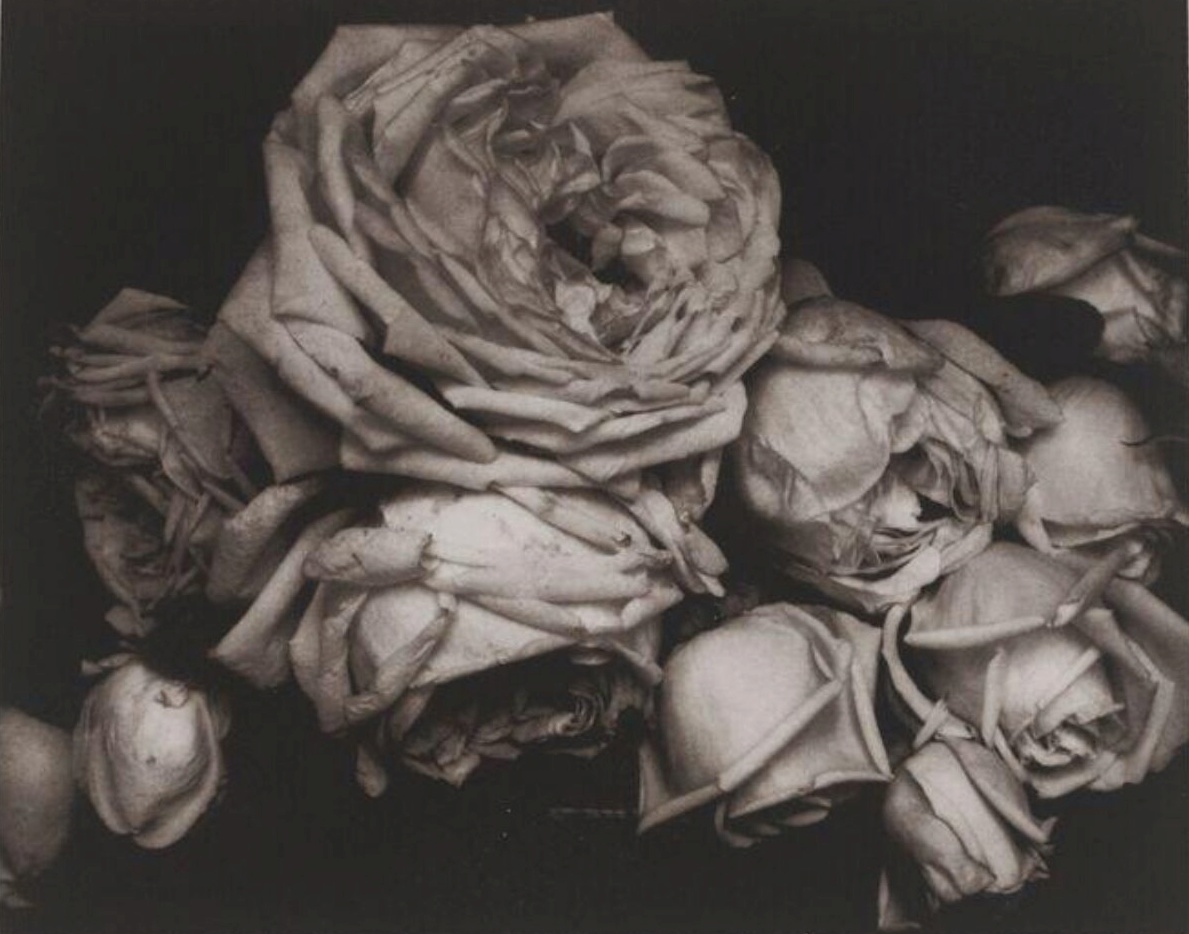
One of the key figures of this movement was Alfred Stieglitz, who played a major role in establishing photography as a fully legitimate art form. Other leading figures of pictorialism included Edward Steichen and Gertrude Käsebier. These artists were instrumental in promoting the idea that photography could possess the same artistic value as painting or printmaking. Thanks to their work, photography gradually gained acceptance in galleries and in the wider cultural world as an independent visual art medium.
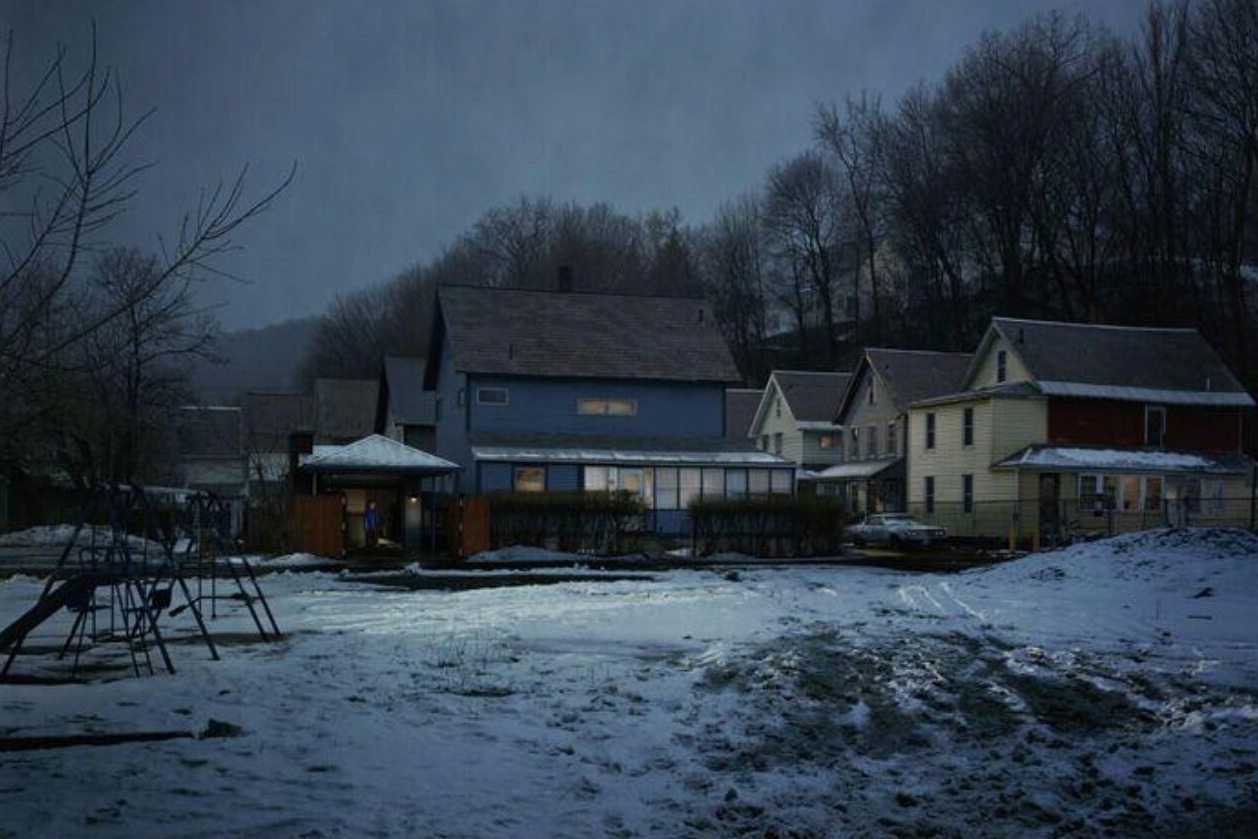
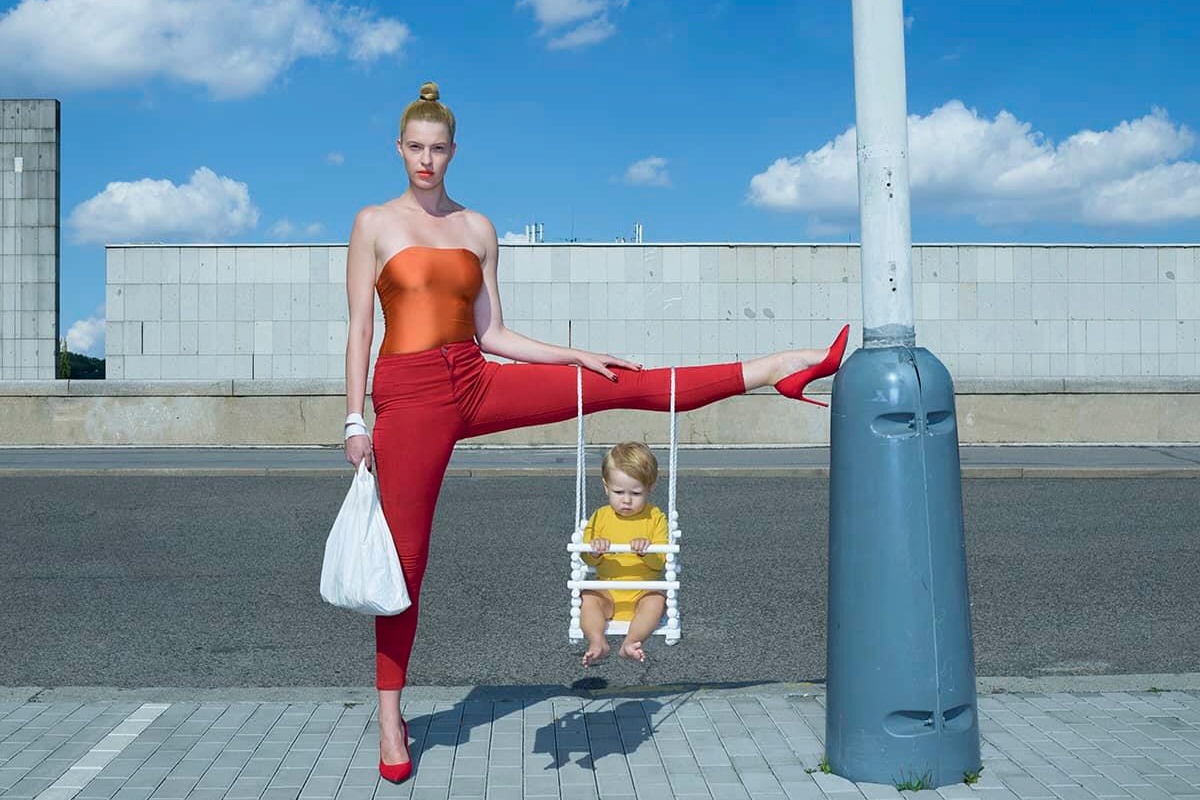
It is also thanks to these pioneers that fine art photography is now regarded as a distinct artistic medium, respected by galleries, institutions, and collectors alike, and that works by major photographers are often sold for very high prices. Among the most prominent names in late modern and contemporary fine art photography are Andreas Gursky, Gregory Crewdson, and Hiroshi Sugimoto, artists who helped confirm that photography now holds a fully equal position in the art market and in the gallery world alongside other visual art disciplines. The works of such photographers often achieve exceptionally high prices on the market today, which only further confirms how strong and respected a position fine art photography has built over time. Among the younger and contemporary generation of fine art photographers, one may include Alex Prager, Tyler Mitchell, Bára Prášilová, and Wolfgang Tillmans, artists who show that fine art photography remains a vital and continually evolving field of art even today.
Fine Art Prints as an Investment?
At the same time, fine art photography represents not only an opportunity to own a compelling image, but also a way to become more closely acquainted with the world of collectible art. This is precisely why, in recent years, photography has increasingly been discussed as an appealing option for those who wish to enter the art market more thoughtfully, with lower initial costs, yet with a clear emphasis on the genuine artistic value of the work. This aspect of artistic photography is explored in greater detail in the separate topic of investing in photography and its place in today’s art market.