

INVESTMENT IN AUTHORIAL PHOTOGRAPHY
On collecting, the market, and the true value of photography
When one looks at art as a form of value today, they stand between emotion and rational decision-making. On one side are volatile financial markets; on the other, safe but low-yield savings. Between these two lies a third option: art. Fine art photography is a category that holds aesthetic value while also offering long-term collectible potential.
Why fine art photography and not painting
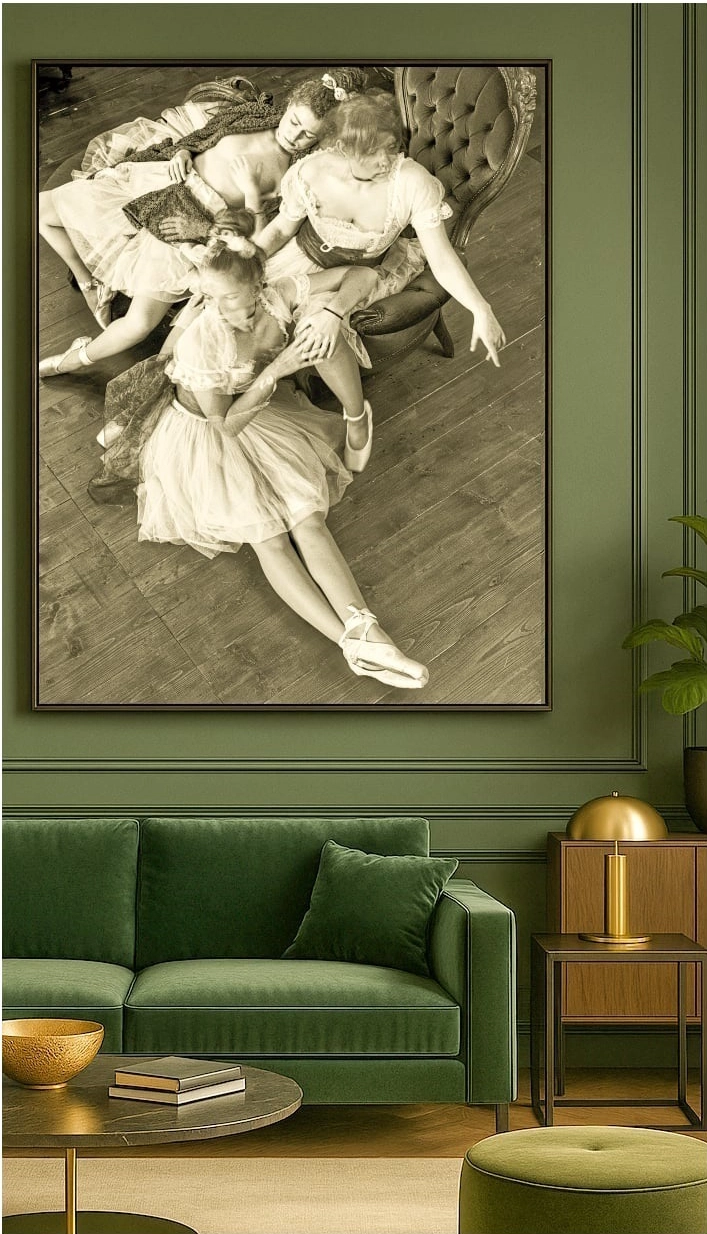
Fine art photography today is a fully-fledged medium, equal to painting or graphic art. The difference lies in financial accessibility. For a beginning collector, photography is often the first step into the world of art. Moreover, with the advent of pigment printing, it is now possible to achieve the same large-scale formats as paintings and thus create a dominant feature within your interior.
History: how photography became recognized as art
Photography was long not taken seriously—it was regarded more as documentation than art. The turning point came in the 20th century. Artists such as Alfred Stieglitz, Edward Steichen, and Ansel Adams began exhibiting photographs alongside paintings. The first galleries devoted solely to photography emerged.
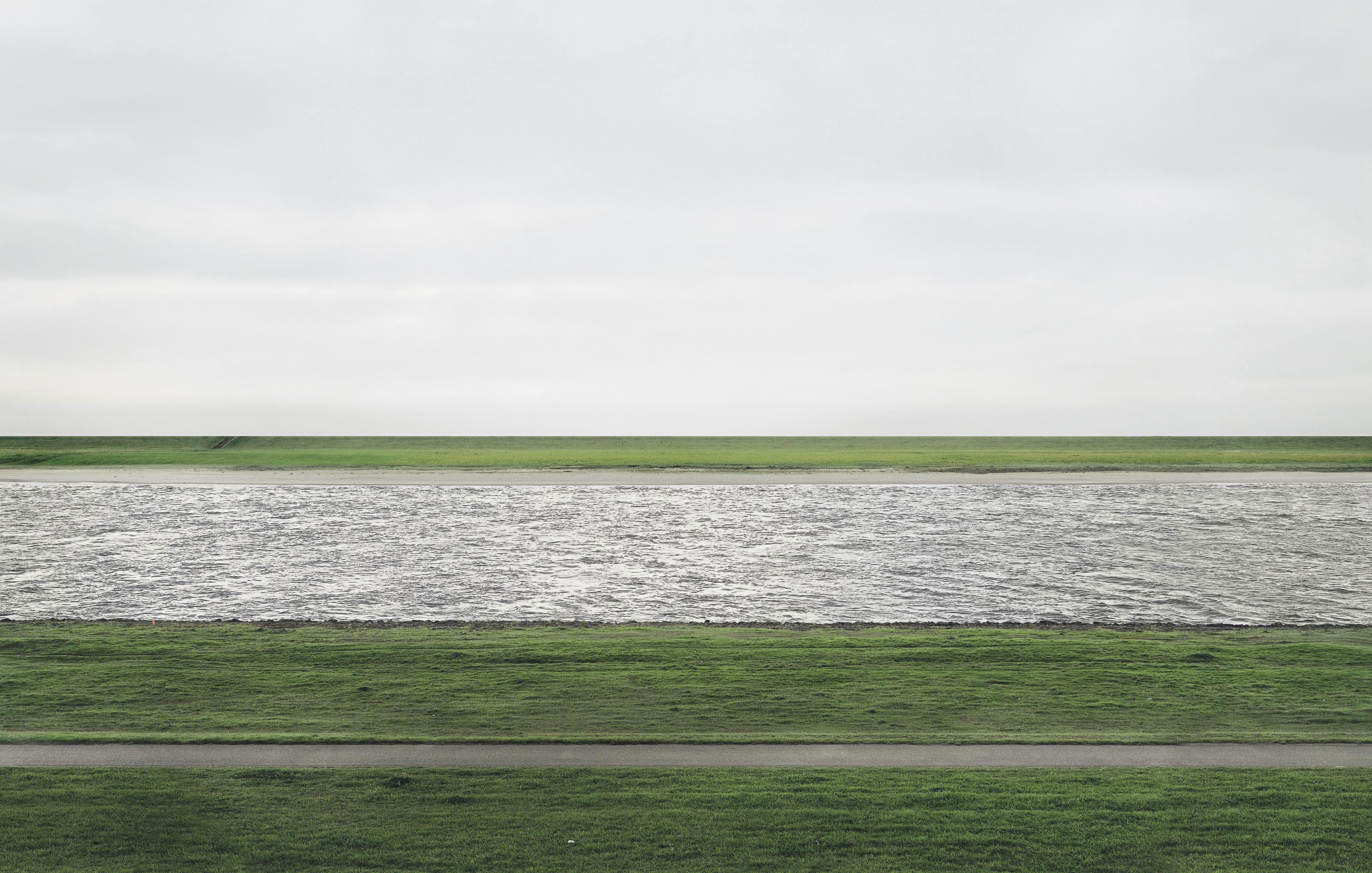
Today, photography is sold at prestigious auctions (Sotheby’s, Christie’s) and exhibited at international contemporary art fairs. Market prices confirm this: Andreas Gursky’s photograph “Rhein II” sold for approximately 4.3 million dollars, and Peter Lik’s “Phantom” even for 6.5 million dollars. Photography has thus become a collectible commodity with real market value, not a secondary genre.
The Internet Changed the Rules
In the past, a photographer—like any artist—had a chance to reach an audience only through a gallery and a curator. If they didn’t know the “right people,” they could be exceptionally talented, yet their chances of success were minimal. Today, an artist can sell directly—through social networks, their website, or personal sales with delivery anywhere in the world.
For collectors, this means access to original works without the usual gallery markups of 30–50%. The relationship between artist and buyer is more direct, traceable, and trustworthy.
However, here lies the first problem—anyone can exhibit anything. The internet is flooded. What “looks good” is not necessarily art. Often, it’s kitsch appealing to basic instincts—cute, sentimental, sexy, or provocative images, or imitations of established artists. If it costs just a few coins and you simply want to cover a stain on the wall, that’s fine. But if you’re considering an investment worth thousands or tens of thousands of euros, everything should be carefully considered.
Even a curator’s recommendation is no guarantee. The art market is a business like any other—the curator is a salesperson who promotes their artists and their own profit. Likewise, art schools naturally push forward their graduates.
Honor to all honest curators, experts, and professors who do their work out of love for art—to them, recognition is due.
How to Choose a Photograph ?
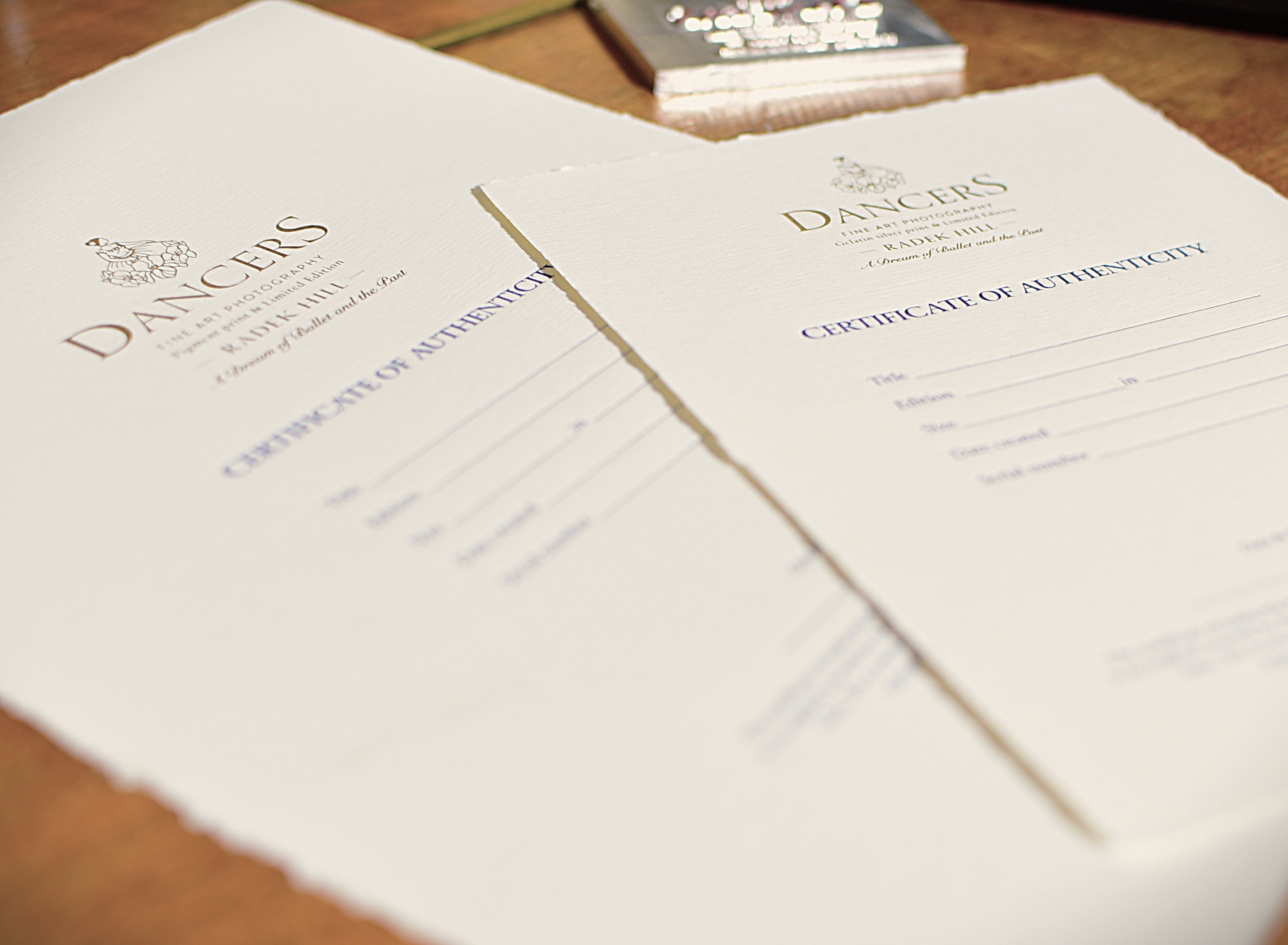
Certificate of Authenticity
In collectible photography, there are no “infinite copies.” Each print should be part of a limited edition – the artist determines a fixed number of copies (for example, 20 prints of a certain format, 10 prints in a larger format, etc.), and once they are sold out, the photograph is never printed again.
Each piece should include:
- the edition number (e.g. 7/10),
- the artist’s signature,
- a certificate of authenticity,
- information about the paper type and printing technique (digital / analog).
This is not a decoration from a poster shop, but an art object with a clearly defined rarity. The collector knows exactly how many copies exist and that no additional ones will ever be produced. It is also common practice that the price increases with the number of sold prints – the last photograph in the edition (e.g. 10/10) may cost twice as much as the first (1/10).
The certificate of authenticity plays a crucial role for the future as well – if you ever decide to sell the photograph, offer it to a gallery, or consign it to an auction house, the certificate will be required as proof of origin and authenticity. Without it, the value of the photograph is significantly lower and often unverifiable.
Years of Practice
Prioritize artists who have devoted themselves consistently to one photographic theme for at least five years. Long-term focus on a single body of work leads to deeper understanding, a unified visual language, and a recognizable artistic signature.
A single excellent photograph does not make an artist – what truly matters is consistency, persistence, and the ability to maintain quality over time. Avoid authors who only follow current trends, create “pleasing” images, or constantly jump from one theme to another without a clear concept.
Gelatin or Pigment Prints?
Analog baryta enlargements represent a traditional chemical process with the highest artistic and collectible value. It is a direct exposure of light-sensitive paper from the original film negative, without any digital intermediate. Each enlargement is a hand-developed original – no two copies are ever completely identical. This method requires experience, precision, and manual work in the darkroom, which is why analog printing is considered the most respected form of black-and-white photography.
For many collectors, gelatin silver prints are the only acceptable form of original photography, valued for their long-term material stability and investment potential.
Pigment prints (giclée) use archival pigment inks and cotton-based fine art papers with a guaranteed longevity exceeding 100 years. Modern professional printers, pigments, and papers achieve such a high level of quality that an untrained eye often cannot distinguish a top-quality pigment print from a baryta enlargement. They offer precise tonal control, the possibility of large formats, and consistent reproduction within limited editions. They are ideal for galleries, modern presentations, and international distribution.
Analog photography remains, and will always remain, unique, while pigment printing represents its technically perfected and archivally stable alternative – both forms hold a solid place in contemporary fine art photography. Gelatin silver prints are, however, more expensive but also more valuable, sought-after, and respected. As time passes and more photographers shift to digital work, with traditional analog processes becoming increasingly rare, the collectible and investment value of such original prints continues to rise.
Provenance
Observe where the artist comes from, how they work, and what history they have behind them. Consider whether their body of work is consistent and long-term, whether they exhibit, publish, collaborate with galleries, and how others write about their work.
Look at their official website, social media, blogs, and articles where their photographs have been published or exhibited. Read their texts, opinions, and interviews.
Find out whether the artist is fully dedicated to their work – not just treating it as a weekend hobby. Even the way an artist communicates, responds to messages, or presents their work says a lot about their professionalism and attitude.
Artistic Signature
If there is anything truly priceless in the world of art, it is originality – the ability to create a work that cannot be imitated. It is this uniqueness and instant recognizability that distinguish a great artist from the rest. Anyone can learn technique, but a personal style that carries individuality, experience, and inner vision cannot be copied.
An original photographer can infuse their images with an atmosphere that the viewer remembers – and immediately recognizes who created it. Just as the word pop art evokes the image of a disheveled eccentric from a factory, or cubism recalls a passionate Spaniard, so too in photography there are authors whose signature style is instantly recognizable.
Why Are Photographs So Expensive?
Just as a computer chip’s value is not determined by the price of its materials, fine art photography cannot be measured by the cost of paper and ink. Behind a single photograph often lie tens of thousands of euros invested in years of work, equipment, experimentation, travel, and experience—long before the final print is even made.
The price of a photograph therefore reflects not only the material costs but the entire creative process: years of developing a personal style, mastering light, composition, and material. Every artist invests their time, energy, and a part of their own life into their photographs.
When you buy a fine art photograph, you’re not just purchasing an image on paper – you’re acquiring a piece of the artist’s life, their view of the world, and their personal experience transformed into a lasting visual record.
Investment Potential
The fine art photography market is one of the most stable segments of contemporary art and has shown steady long-term growth. According to the Art Basel Report 2023, the field of authorial photography generates billions of dollars annually, with the fine art photography segment growing at a rate of 6–8% per year.
Collectors’ interest in original photographs continues to rise, especially for artists with a distinctive style, verifiable provenance, and limited editions. The value of prints by established photographers commonly increases by tens to hundreds of percent over several years—and in some cases, even more.
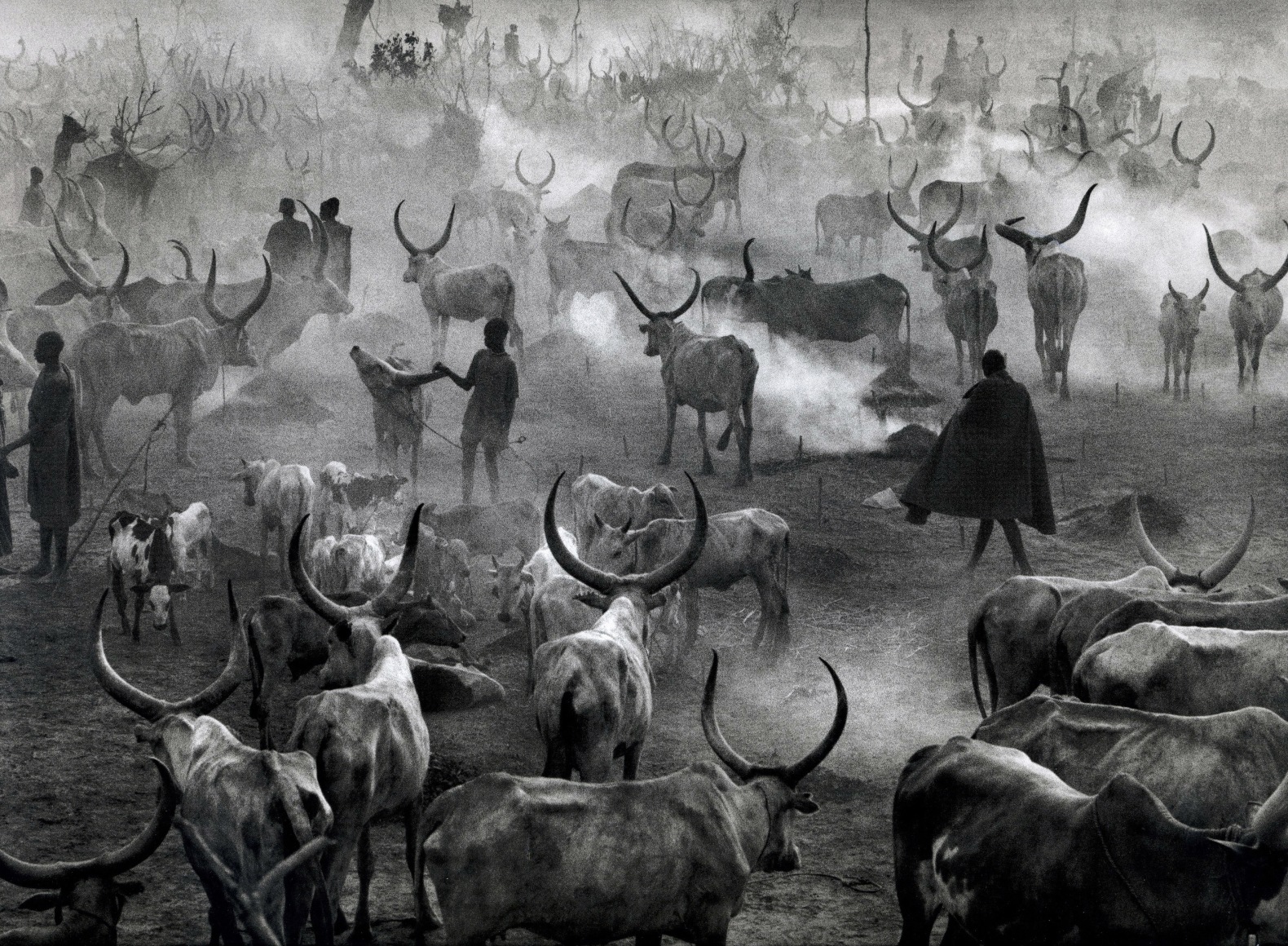
For major figures such as Helmut Newton, Sebastião Salgado, or Sarah Moon, the prices of older, sold-out editions have risen by 200–400% compared to their original sale prices.
In Conclusion
If you decide to acquire a fine art photograph, choose not only by artist or price but also by the theme that personally resonates with you. A work that speaks to you will continue to bring joy in your home for years to come—and that is the true value of art.
Whether you choose a photograph for pleasure or as an investment, I wish you a lucky hand—may you one day discover your own “photographic Cinderella,” a piece that gains recognition over time and perhaps one day pays for your children’s university education.
The fine art photography market, like the entire art world, has its own well-defined rules that have evolved over decades. At first glance, it may seem simple – you buy a photograph or artwork you like. In reality, however, it is a sophisticated system where factors such as provenance, edition size, certificate of authenticity, the artist’s reputation, and even methods of preservation all play an essential role.
Before making a purchase, it is crucial to become familiar with these principles. Many beginning collectors give in to emotion, fashion trends, or marketing, only to later discover that the piece they bought lacks documented provenance or isn’t part of a limited edition—and therefore holds little to no collectible value.
An informed buyer, on the other hand, can recognize the difference between simple decoration and a true authorial work of art. Understanding the artist’s background, edition systems, printing techniques, and the importance of authenticity certificates provides confidence that the investment makes sense.
In short, those who understand the rules of the market don’t buy randomly—they build a collection consciously, one that carries not only aesthetic appeal but also long-term financial value.