

My Path to Art and Ballerinas
Nothing in my life suggested that I would one day take an artistic path. In my family, no one was involved in art – it was not a theme that naturally existed around me. Likewise, until the age of thirty-three, I lived an entirely ordinary life as a trained cook in Ostrava, a mining city where I was born in 1974.
I spent my childhood and adolescence in an environment that was rather harsh and shaped by heavy industry, rather than offering space for culture or fine art. I devoted myself more to sports and entertainment than to anything that could have brought me closer to the artistic world. My life followed another direction – towards manual work, the kitchen, and everyday routine. Nothing indicated that I would one day find meaning precisely in photography.
The First Camera
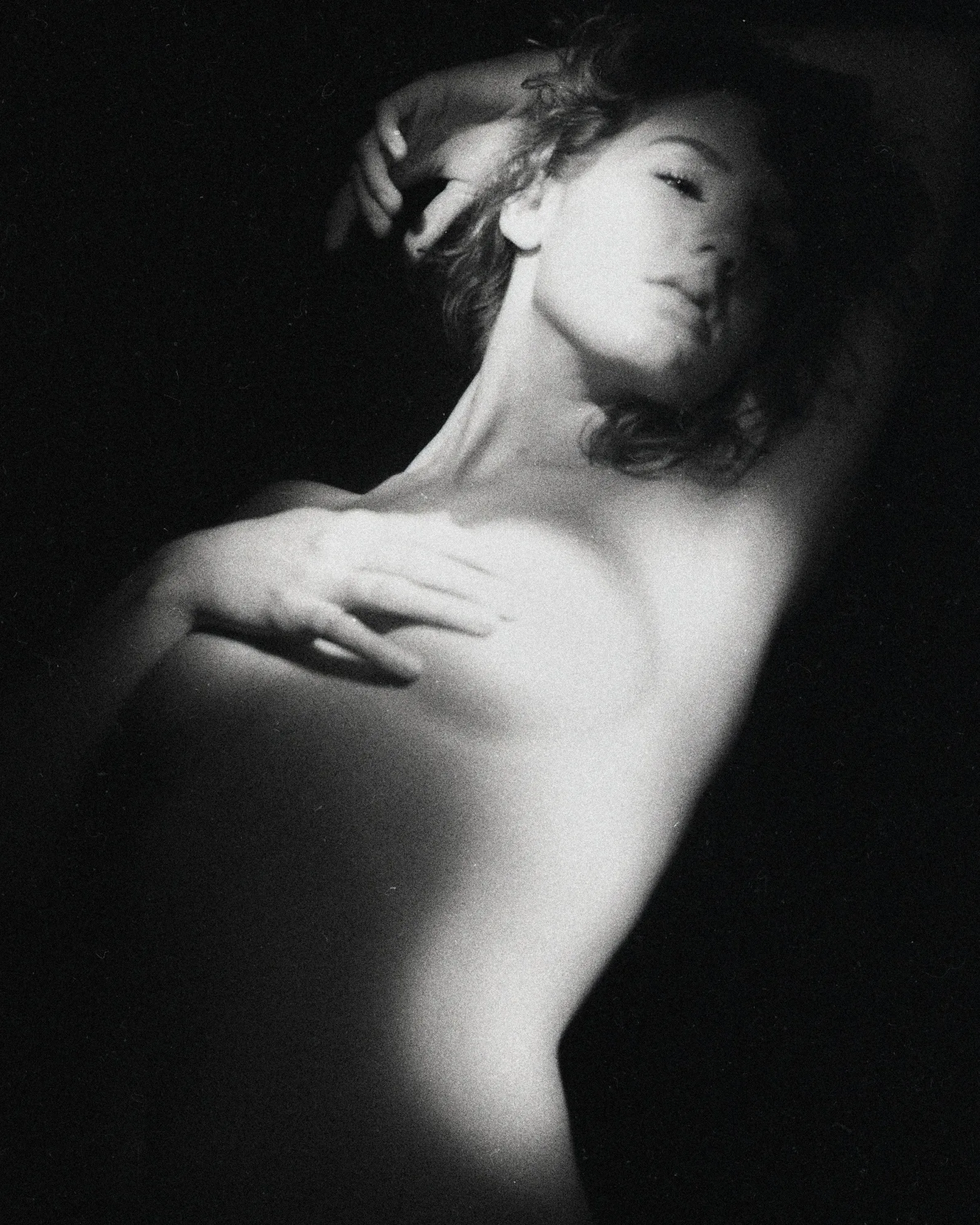
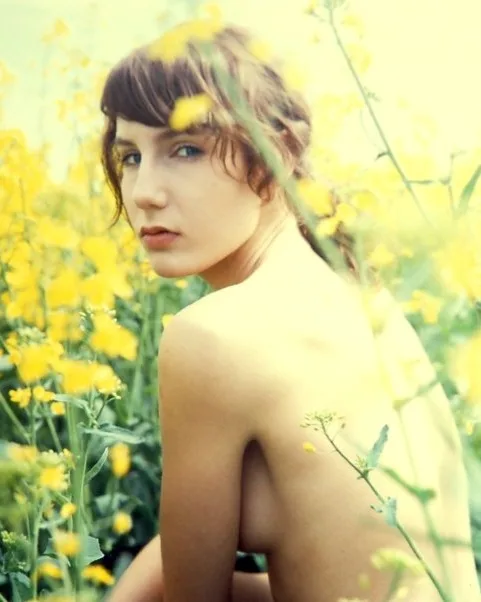
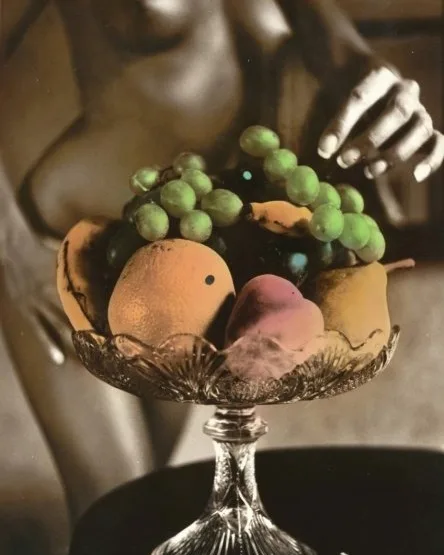
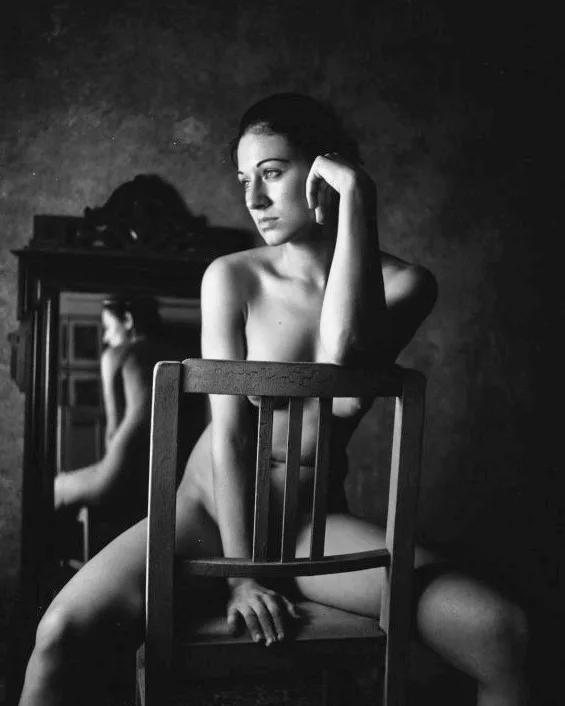
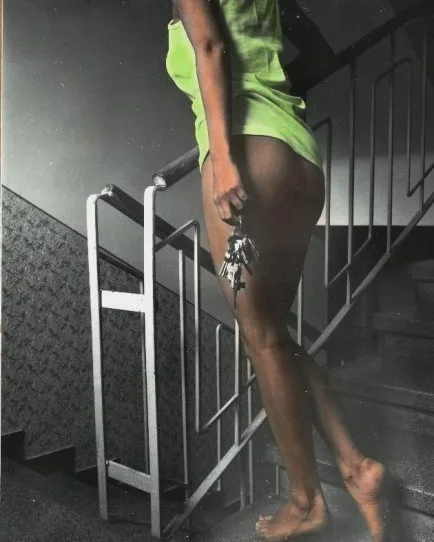
In 2007 it was a digital Nikon D80. But digital images and especially post-production on the computer did not appeal to me at all. That is why I decided to try classic black-and-white film, which had always attracted me. I learned to develop and enlarge films, experimented with 35mm, medium, and large format, as well as techniques such as bromoil or double exposure. I tried various subjects – from nature, reportage, documentary, nudes, to staged photography. Although I did not remain with any of these directions, each experience moved me forward and shaped my future approach to photography.
Turning Toward the 19th Century
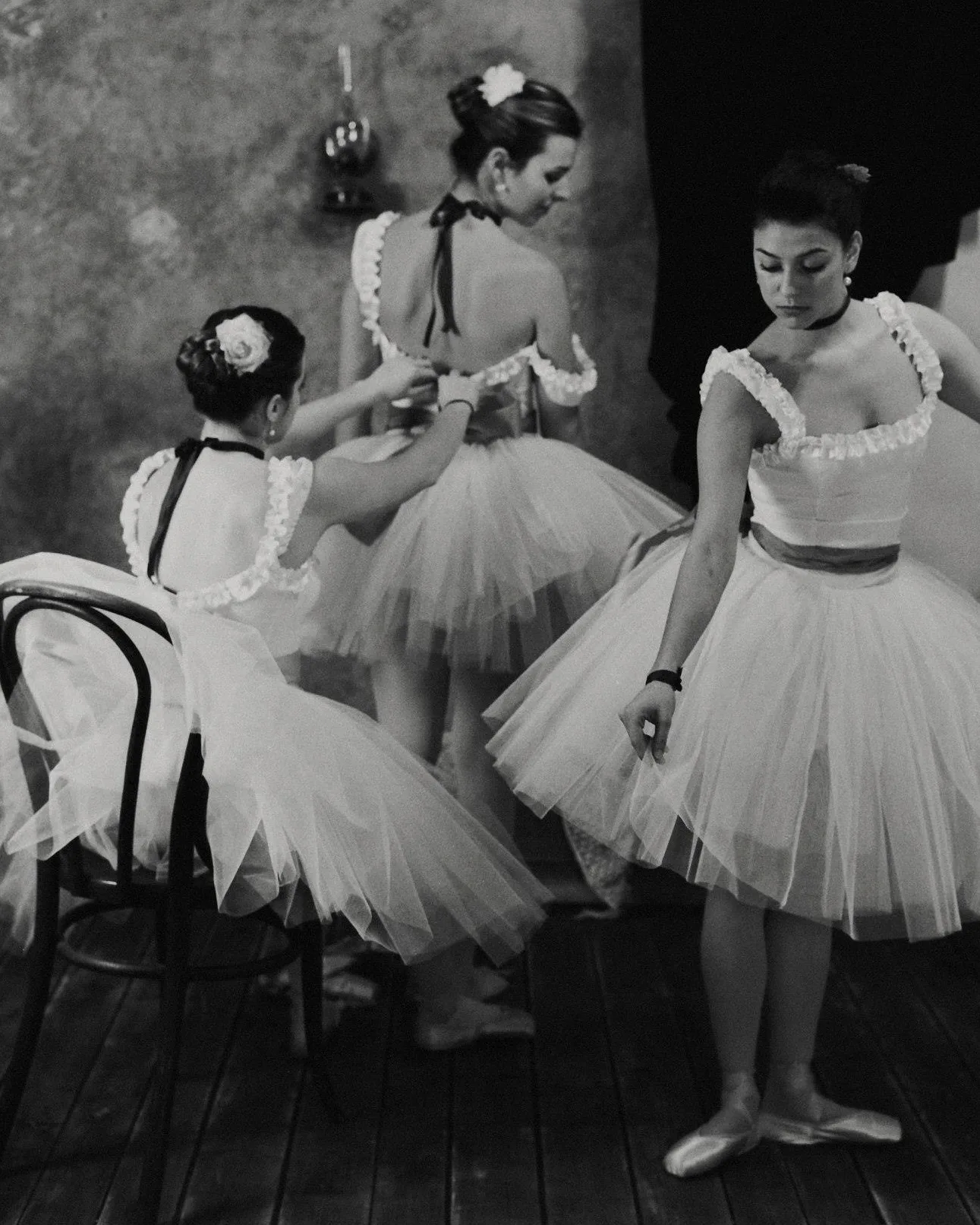
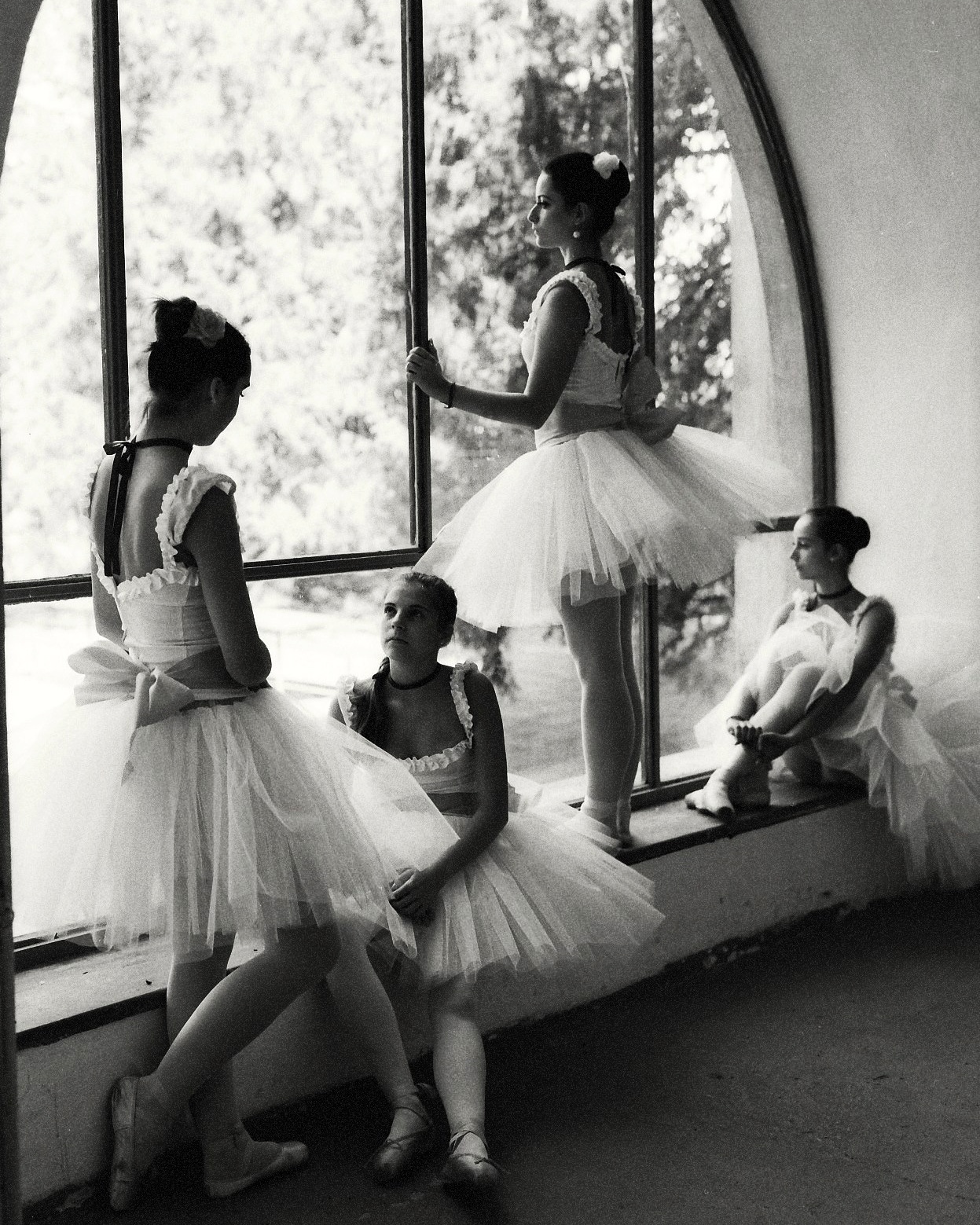
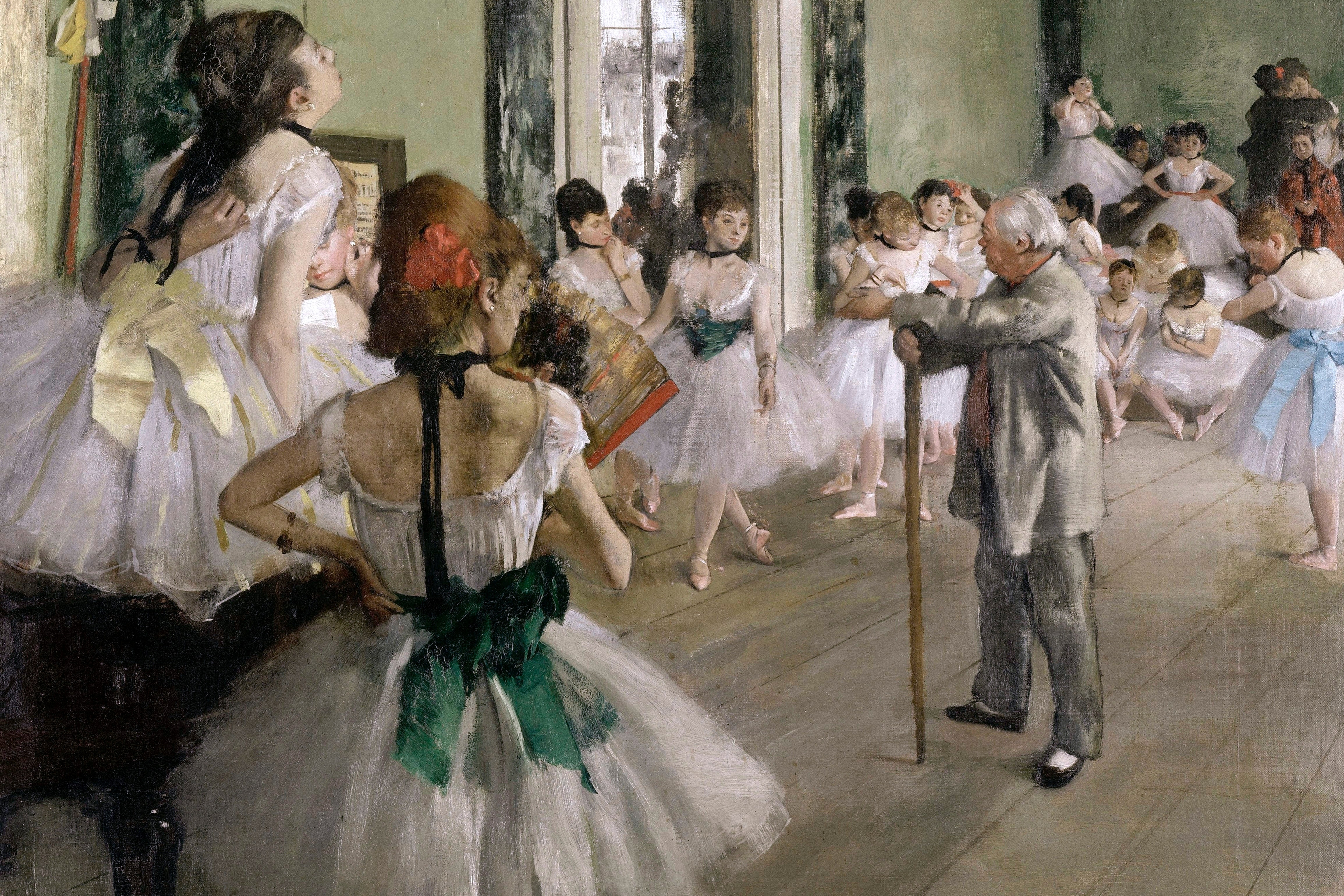
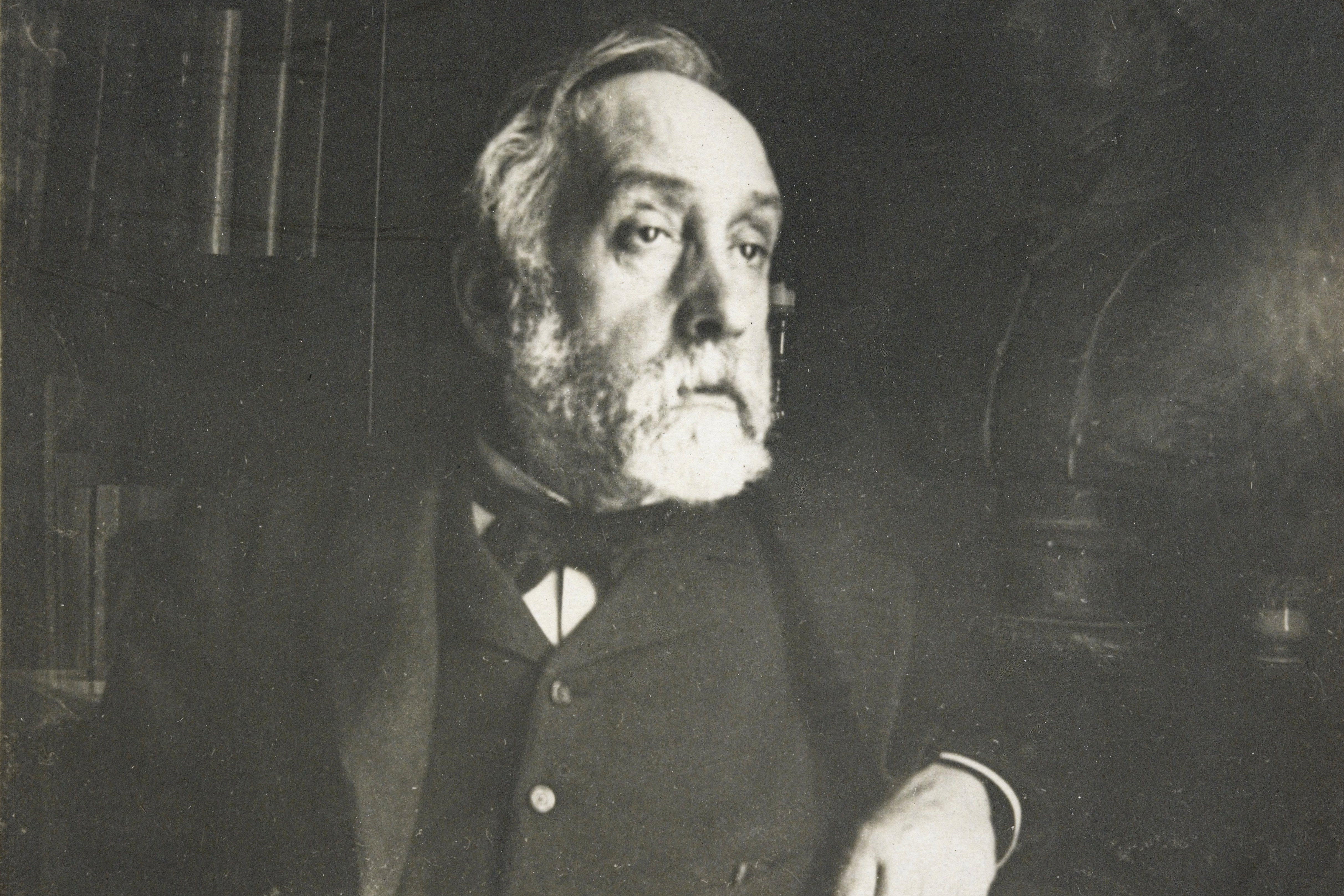
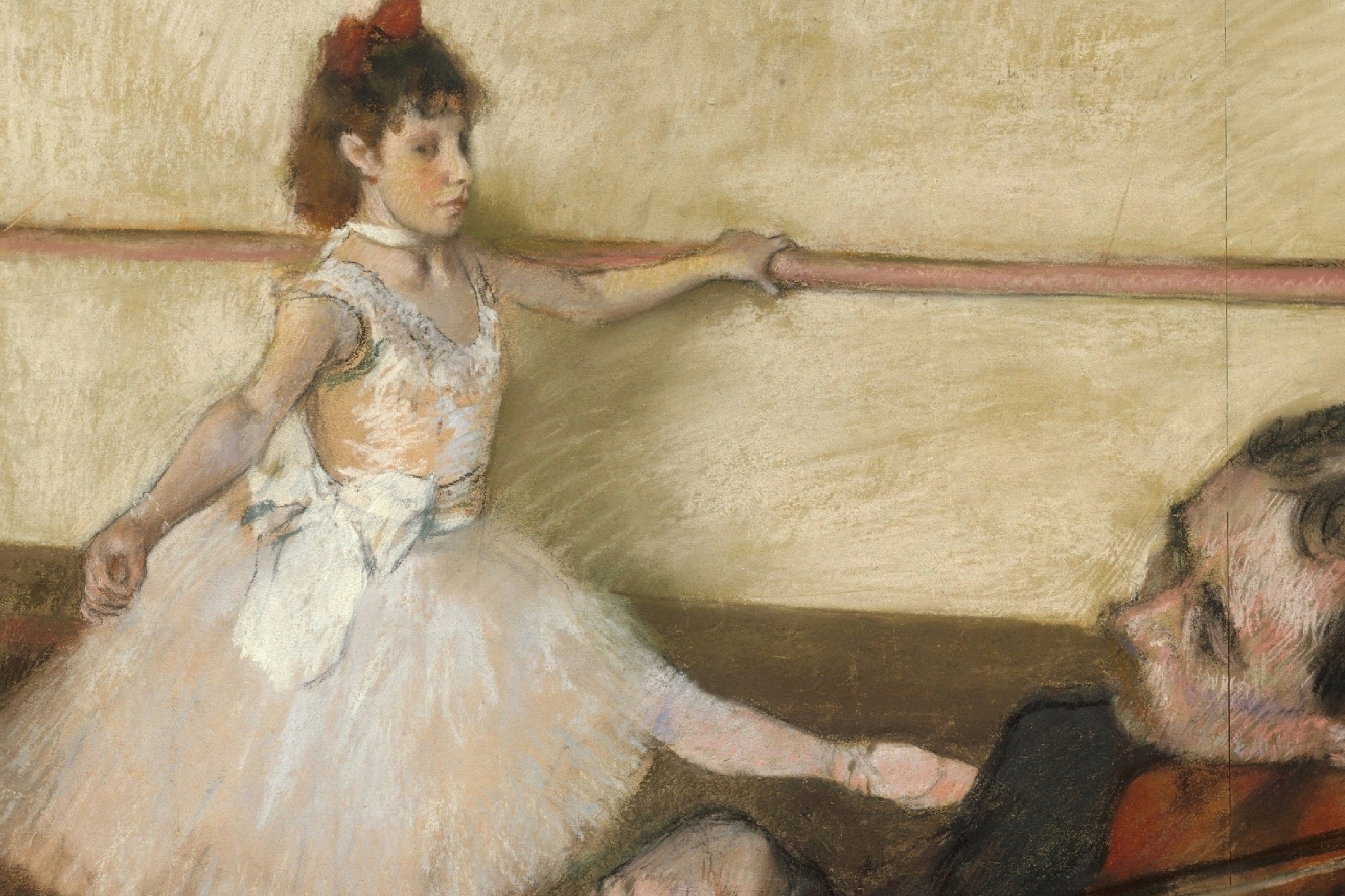
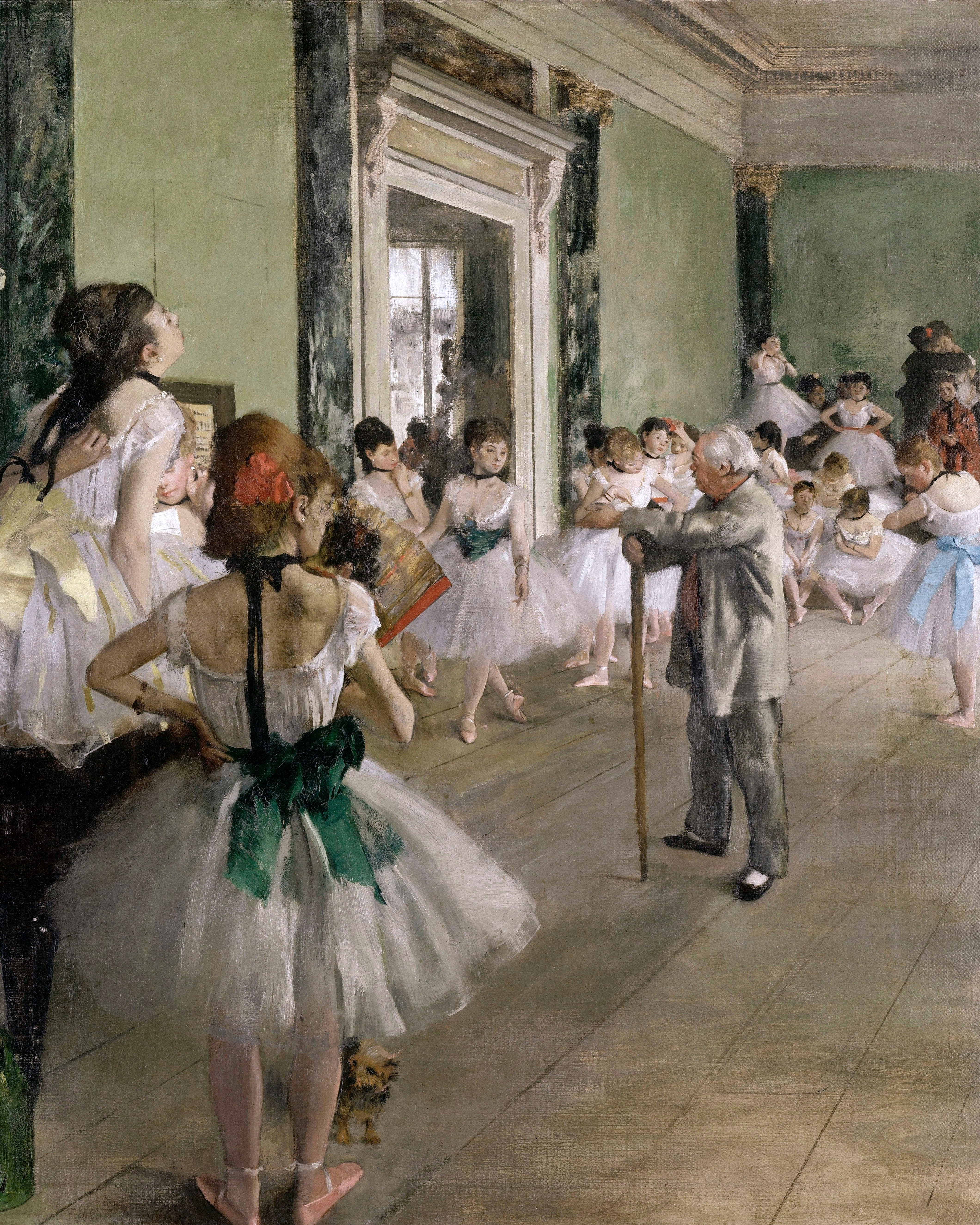
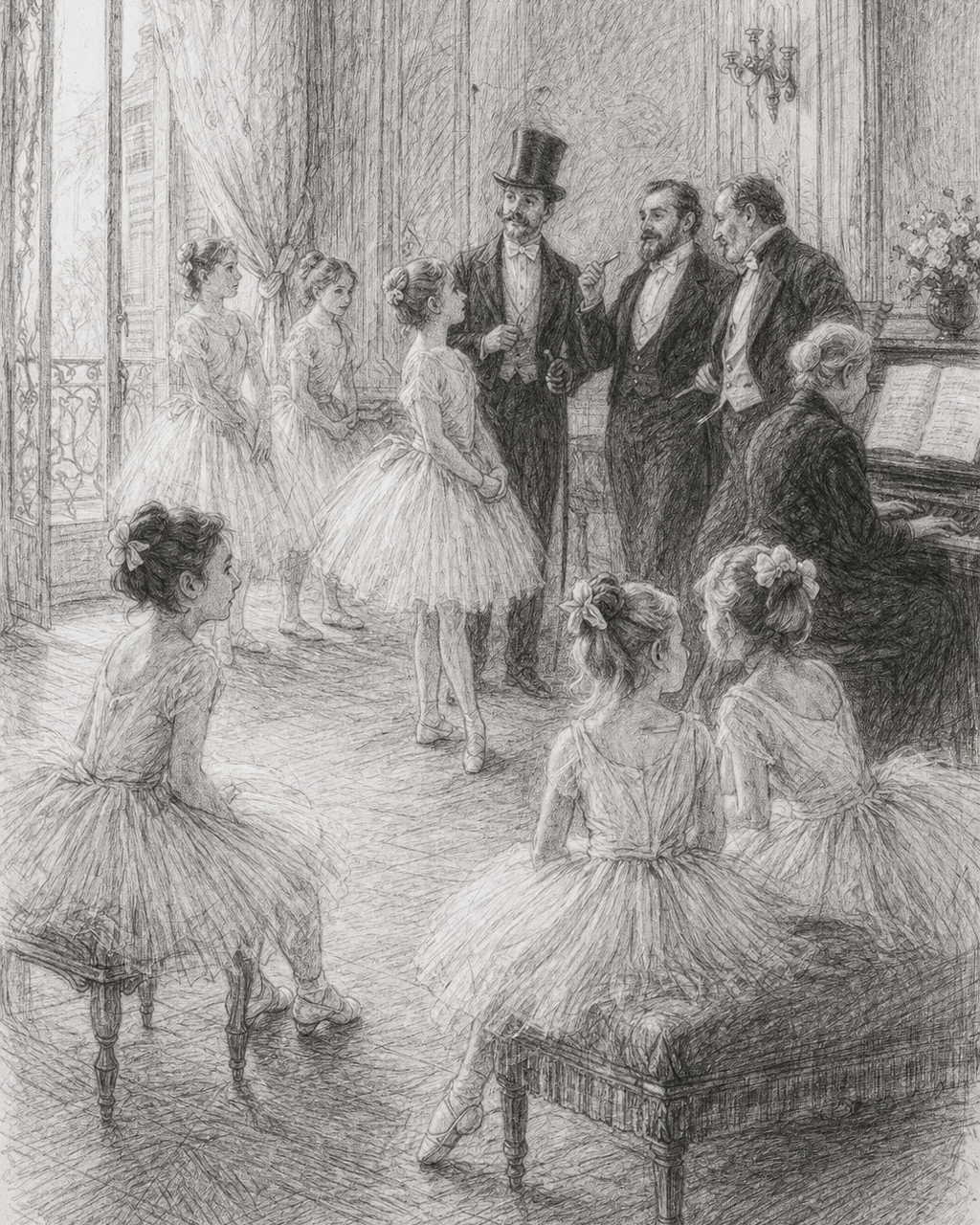
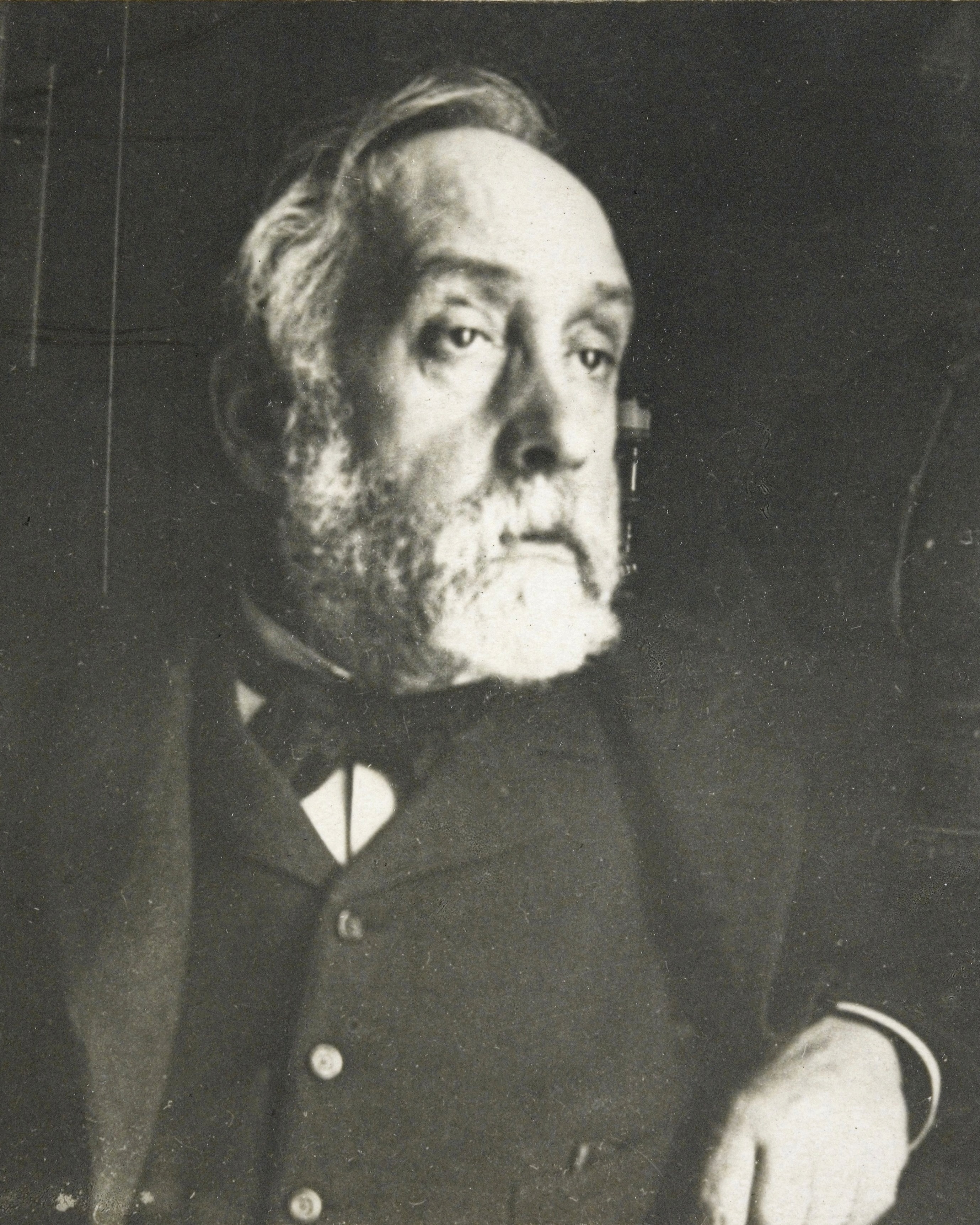
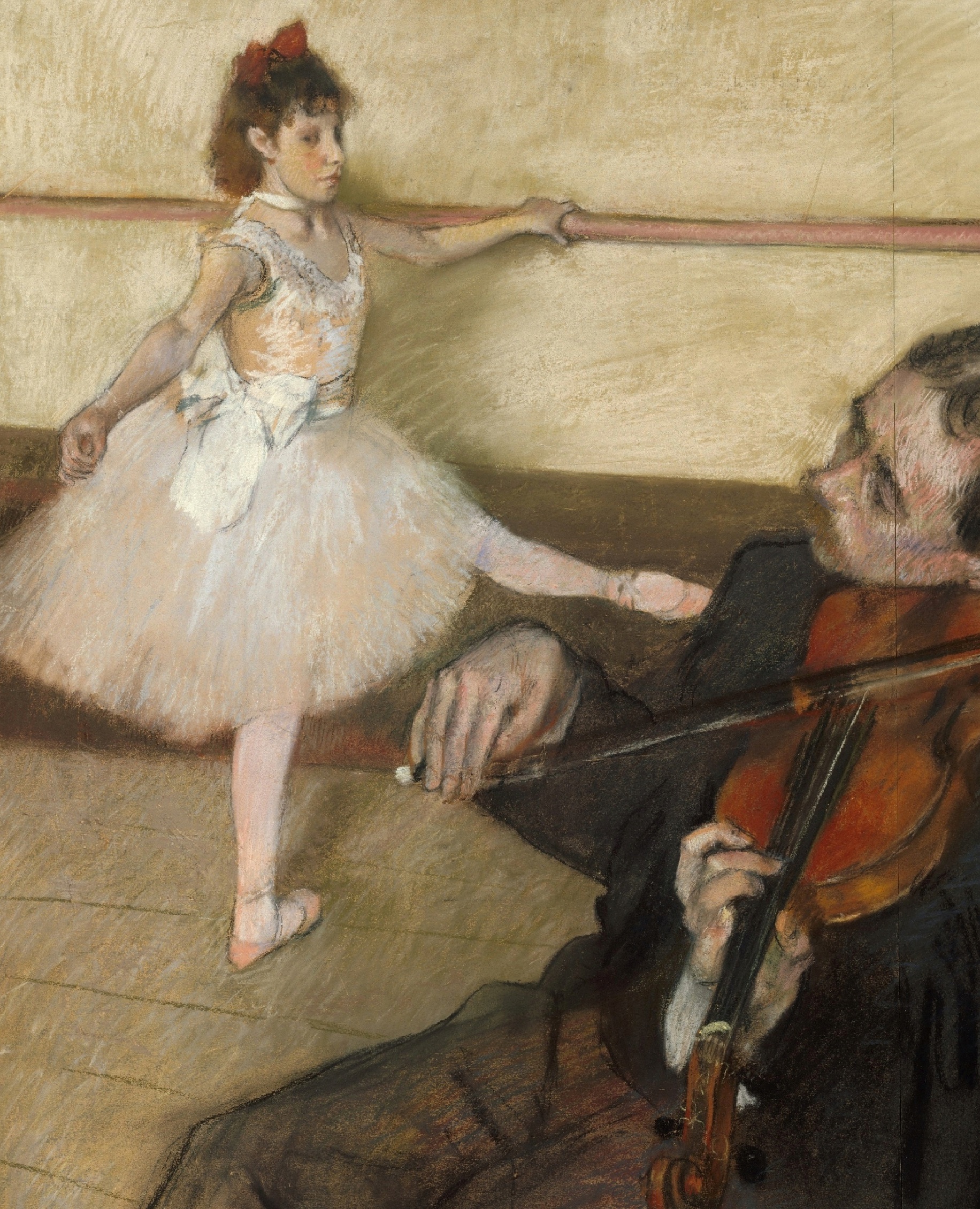
I gradually began to feel that I wanted to create images that were not bound to the present moment. I was drawn to the photographs of the old masters and to Pictorialism. And when – I no longer even remember when and where – I first encountered the works of Edgar Degas, a seed was planted in me. I carefully nurtured it until it finally led me to turn toward ballerinas and the overall atmosphere of the 19th century.
First Ballet Photography in the Theatre
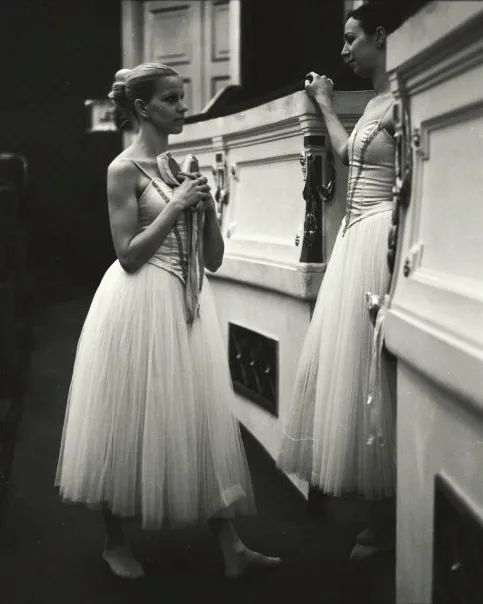
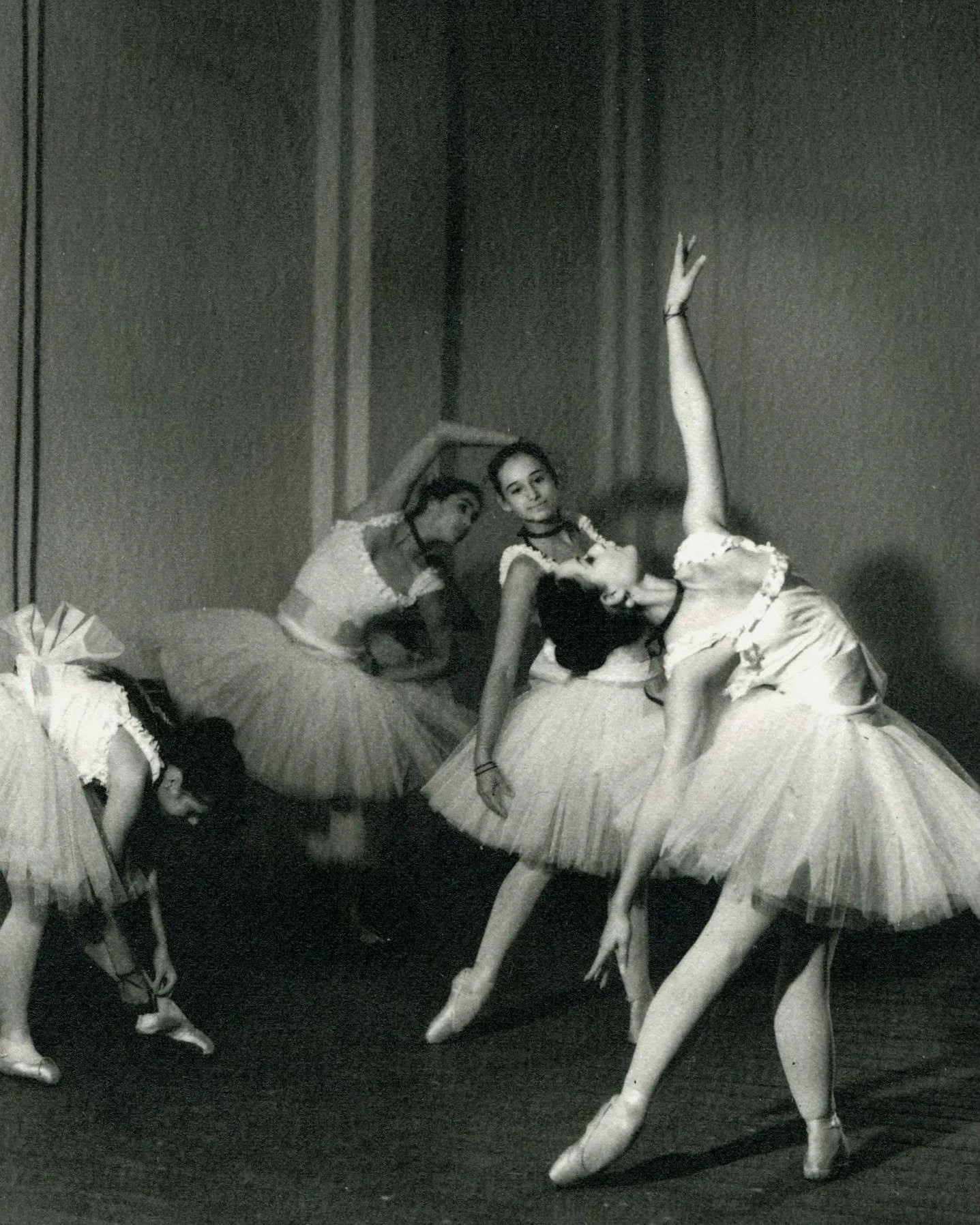
In 2010 I arranged my first ballet photoshoot at the theatre in Opava, and shortly after also at the theatre in Ostrava. It was a new experience for me, but I soon realized that the modern ballet costumes worn by the dancers were not as beautiful as those I admired in the works of Edgar Degas. They lacked that timeless beauty and delicacy.
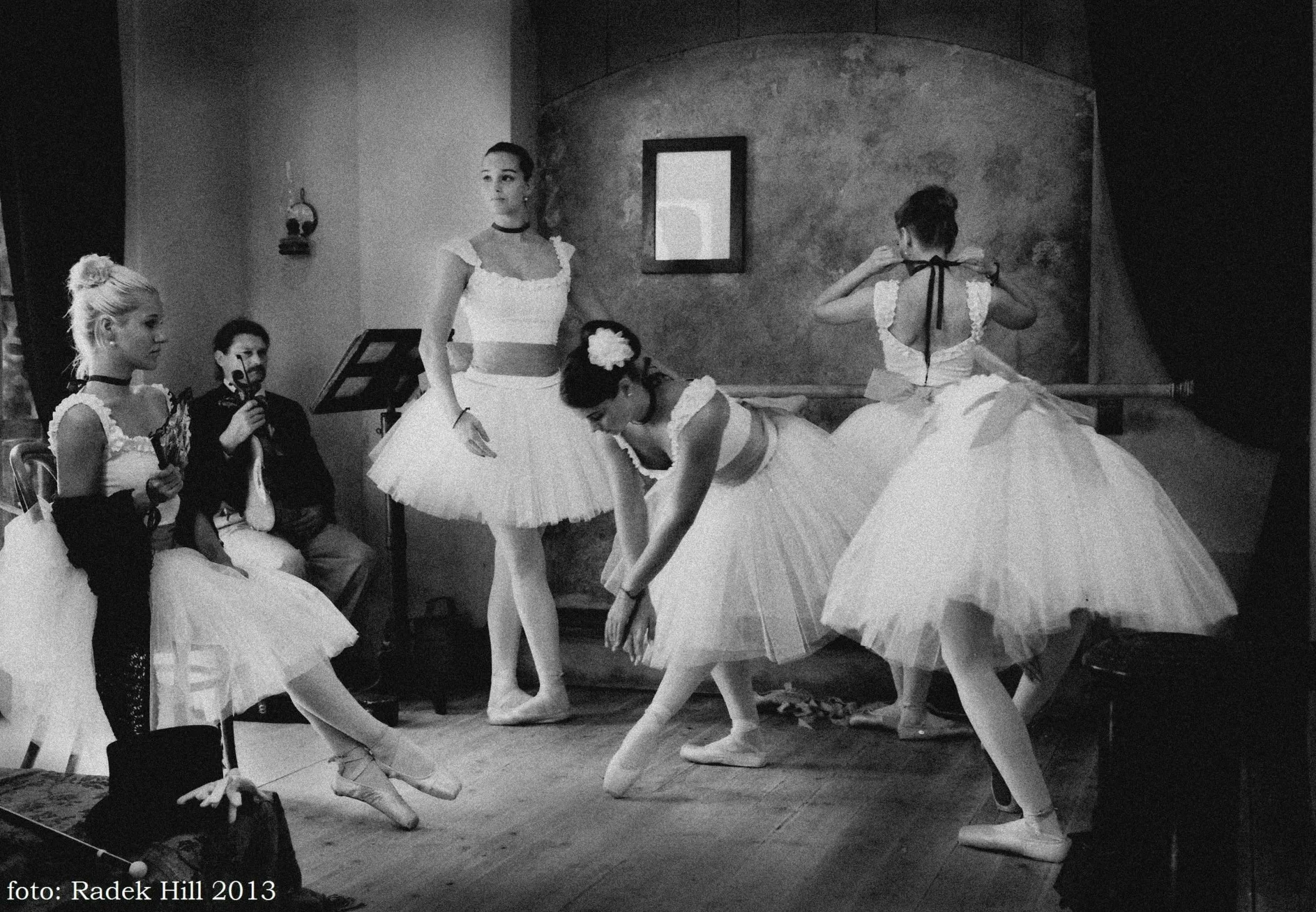
That is why in 2012 I decided to go my own way. I had seven ballet dresses made in the style of Degas and arranged my first photoshoot at a castle. It was an important experience, but at the same time full of complications – scheduling difficulties, unsuitable light, time pressure, and sometimes even the incredible cold in the old castle of Slezské Rudoltice.
Home Studio in an Apartment
In 2013 I created an improvised studio for ballet photography in my 1+1 rented apartment. It was a small space, but for me it represented the first opportunity to work entirely according to my own vision – I could set up the scenery, lighting, and atmosphere just the way I imagined. Although I liked the first photographs that were created there, it soon became clear that the space was too limited. The low ceiling, the tight area, and the inability to work freely began to restrict me. I therefore started thinking more and more about how to replace this small studio with a larger space and how to create a real ballet hall that would give me enough freedom for my work.
Purchasing a Grocery Store
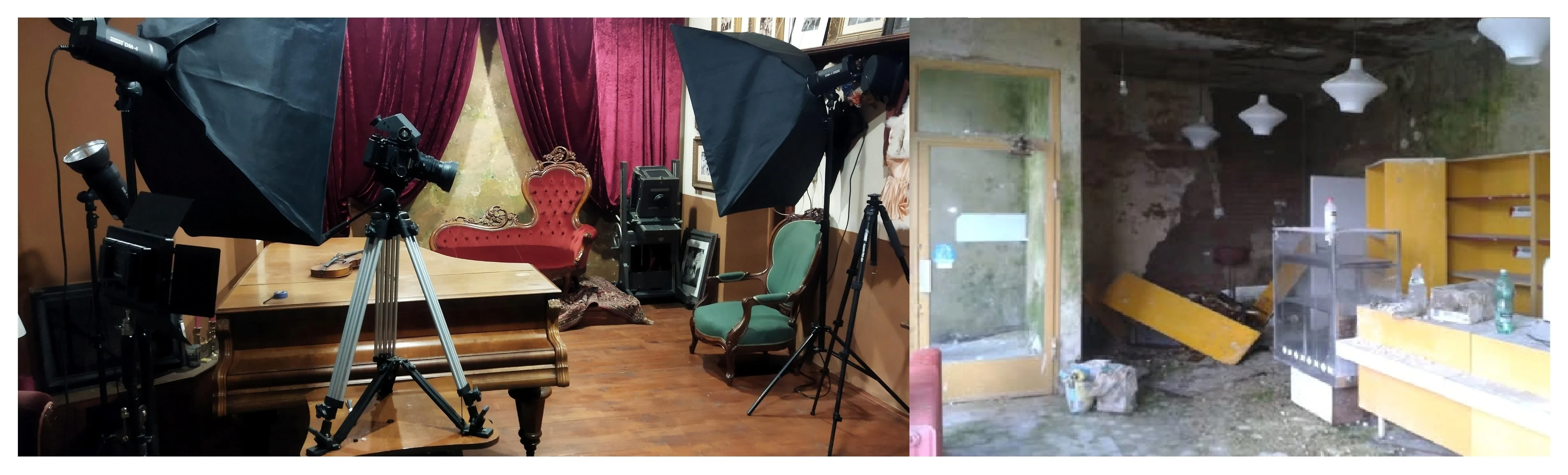
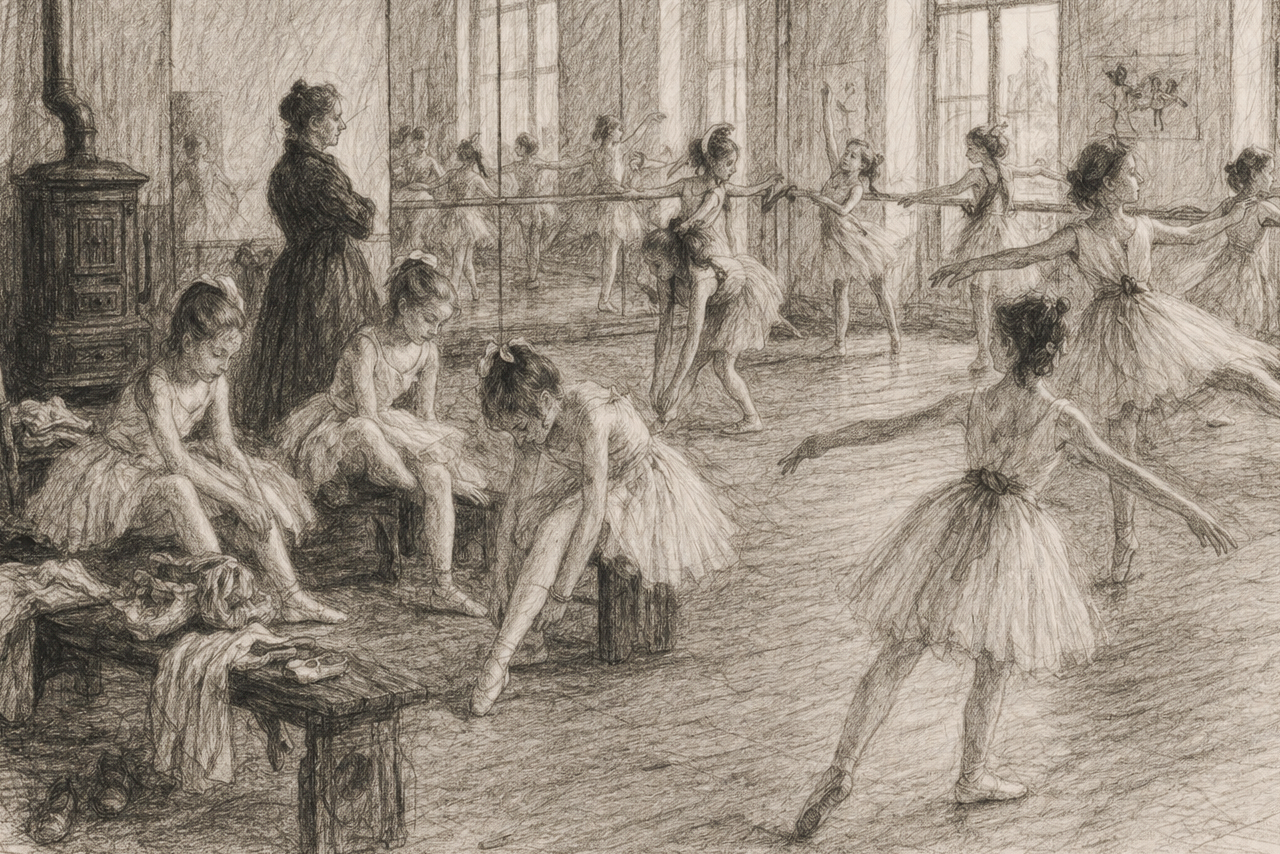
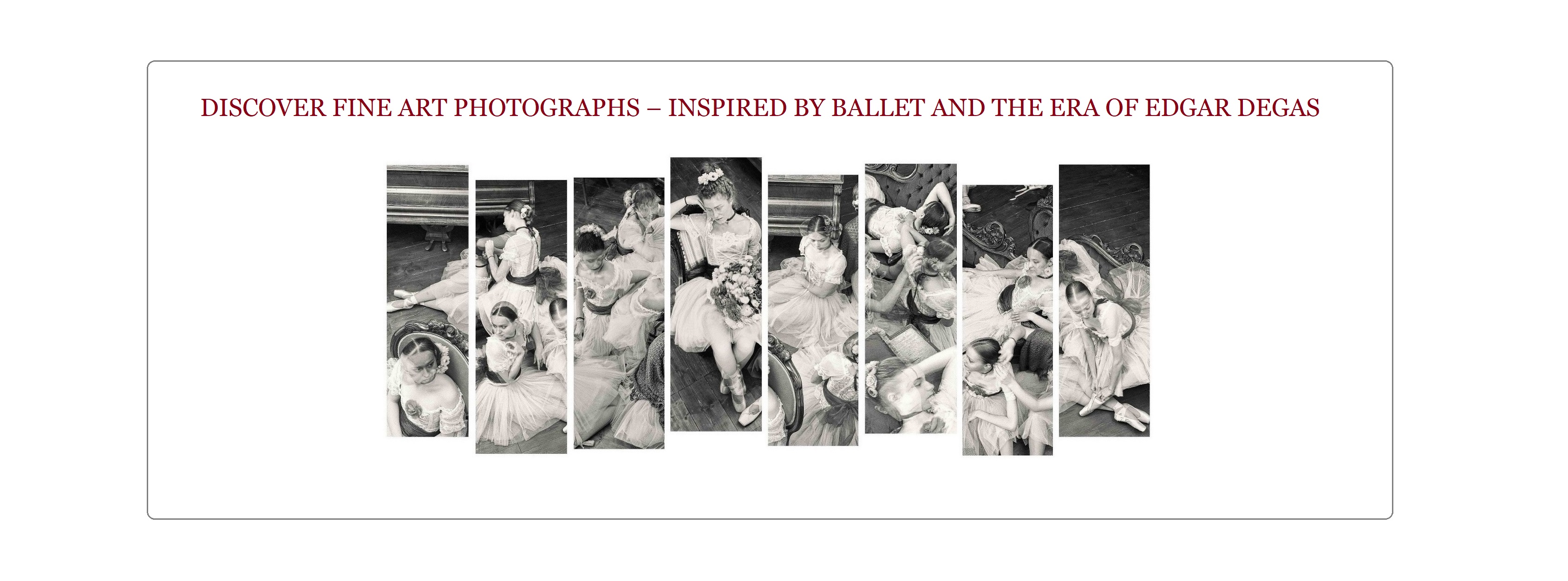
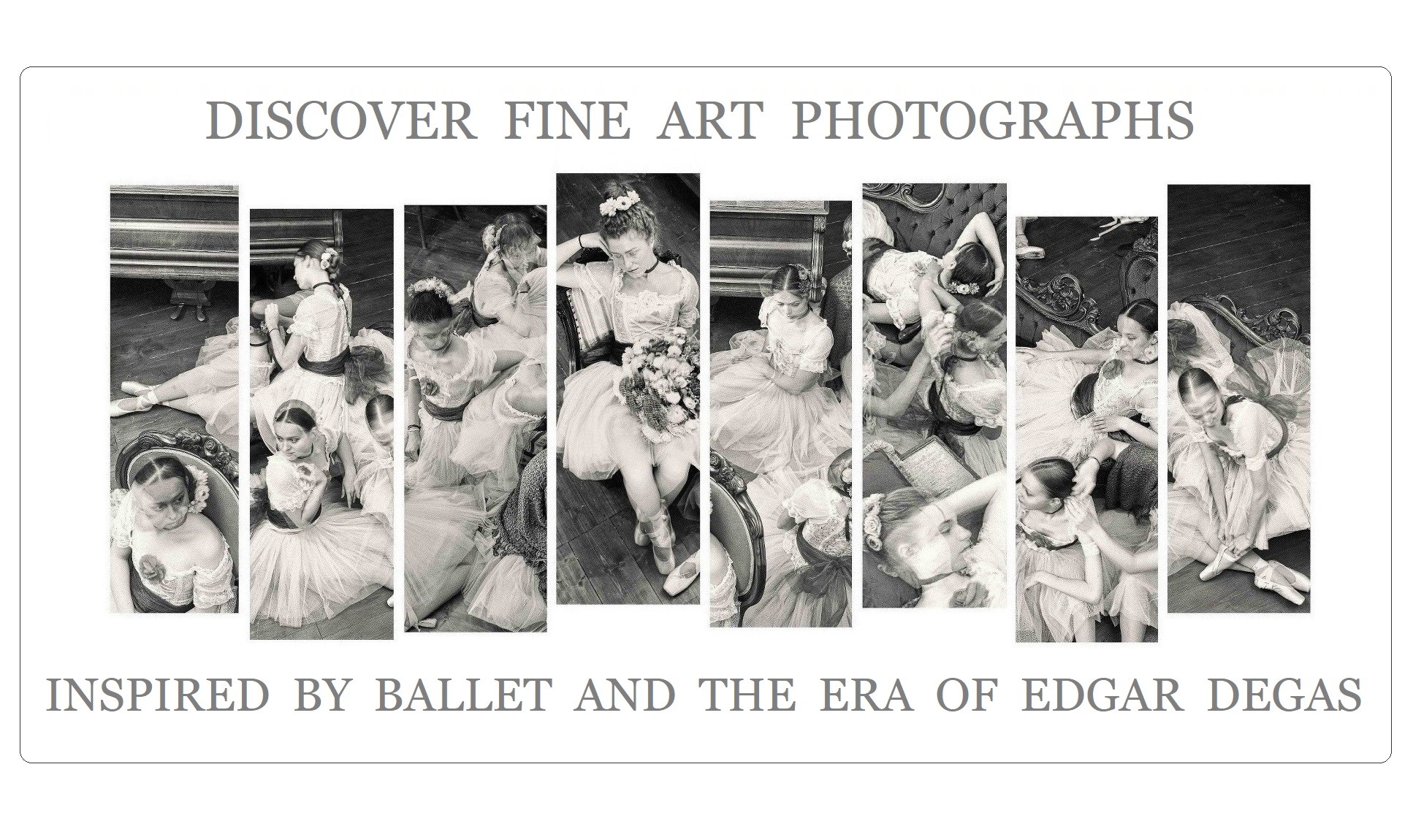
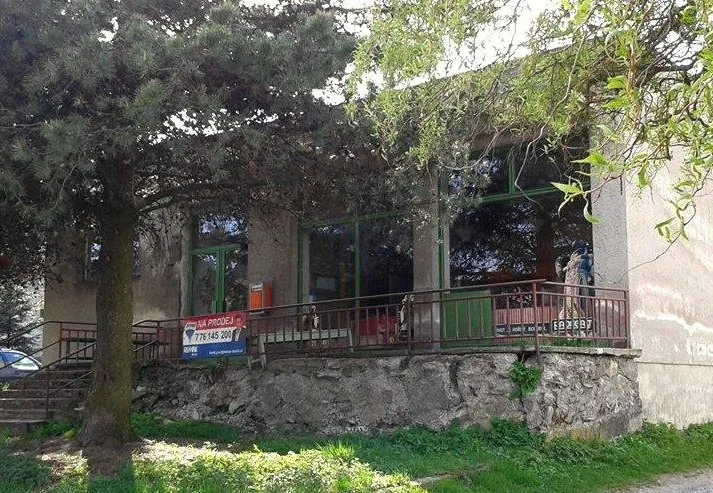
That is why in 2014 I purchased a former grocery store and transformed it into a spacious photographic studio resembling a 19th-century ballet hall – with wooden floors, a piano, and antique furniture. At last, I had a space where I was no longer limited and could experiment freely with my ideas.
Searching for Style
I continued photographing, but something still bothered me – the sharpness of the images. The photographs worked technically, but they felt harsh, lacking the lightness and atmosphere I was searching for.
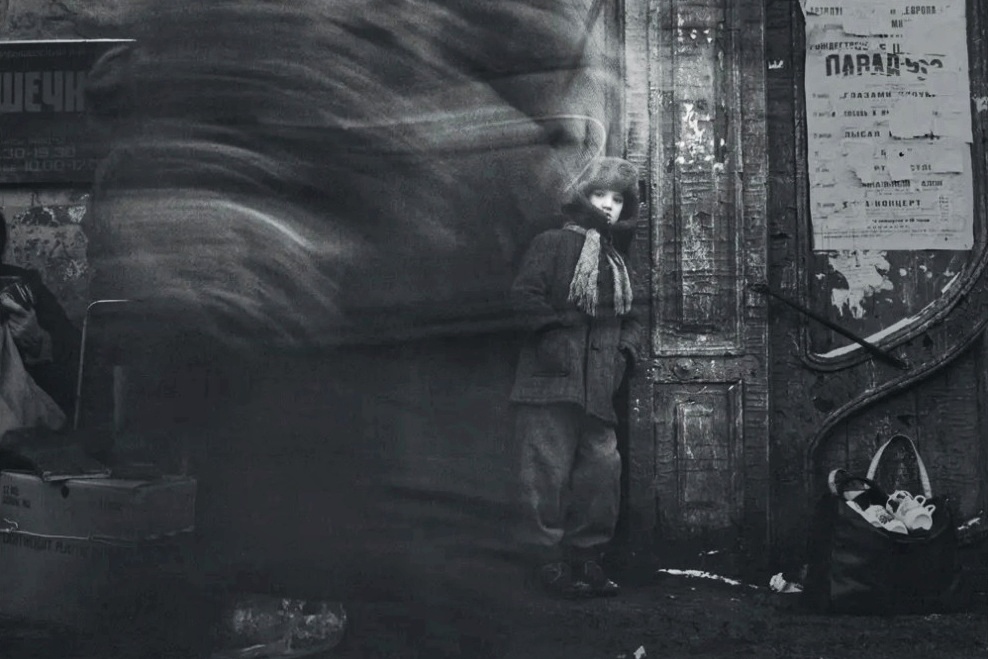
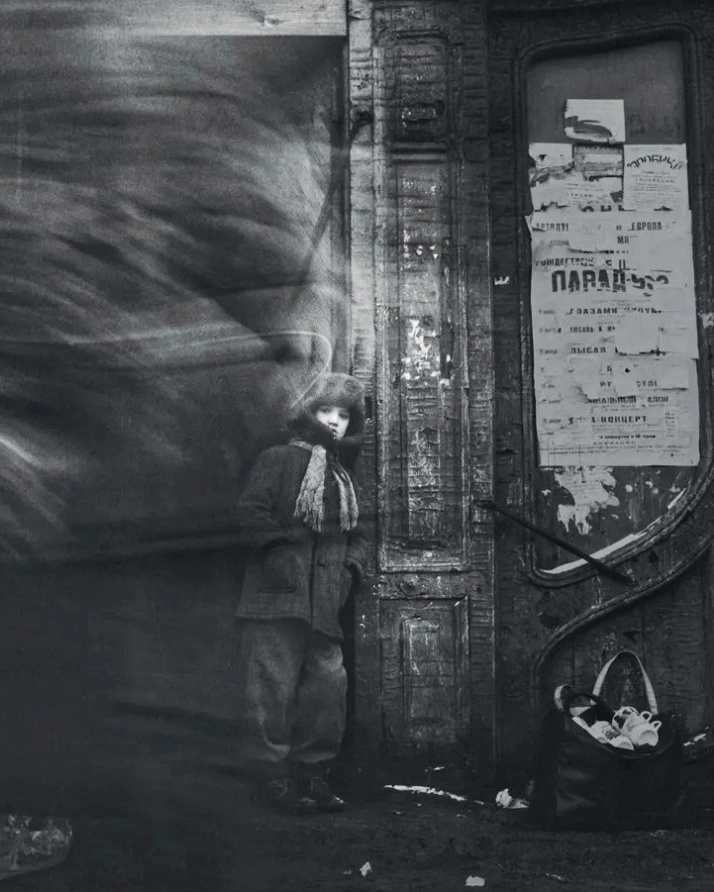
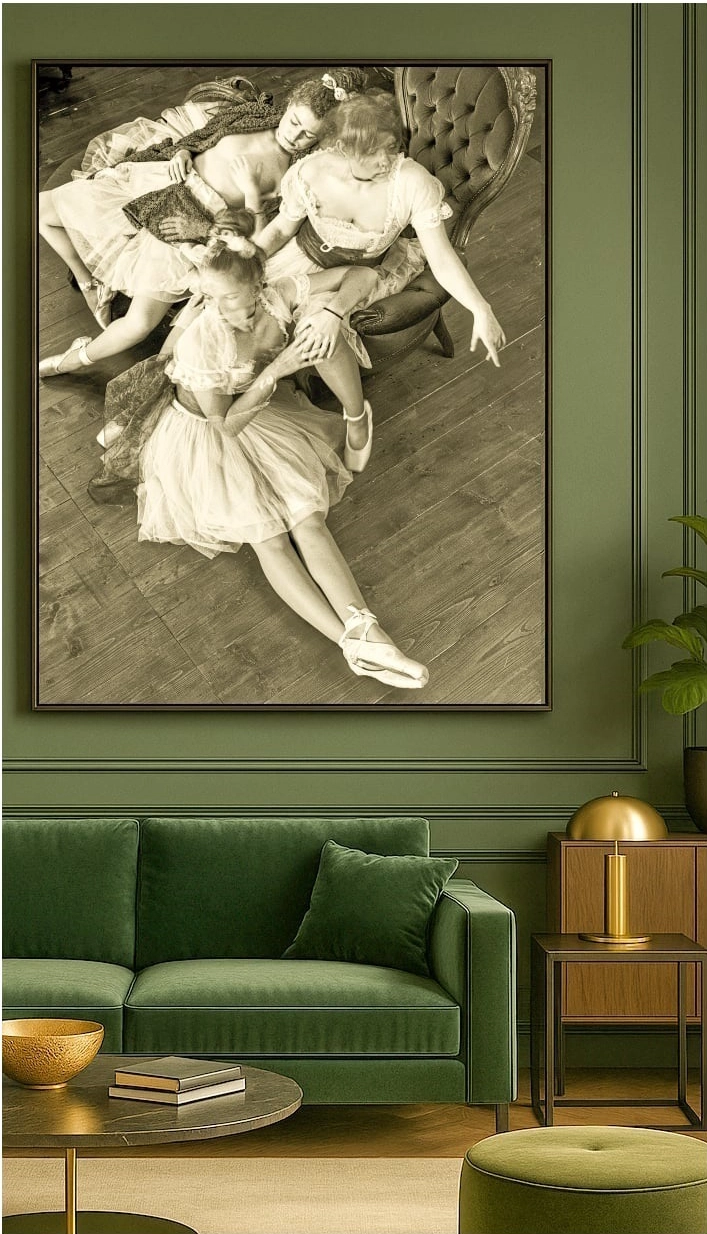
In 2020 I deliberately created my first “blurred” photograph using long exposure. The result immediately fascinated me because it contained exactly what I had been looking for. From that moment on, I began photographing exclusively with long exposure and movement.
However, it turned out not to be as simple as it might sound. Every photoshoot brought new problems and experiments. I searched for the right balance between the lighting of the ballet dresses and their surroundings – often the dresses were overexposed and the background too dark, or the other way around. The movement of the ballerinas was equally complex – we had to test when the motion should be fast, when slow, and when to remain completely still. Every detail mattered, and often it meant dozens of unsuccessful images and wasted films.
Today I know that this constant searching and experimenting is an essential part of my work. I keep discovering new possibilities, new ideas constantly come to me, and I still feel the drive to experiment.
But one thing has not changed – I have found my subject and my style, and with them I remain.