

Where Is Photography Heading?
A personal reflection on the future of photography. Whenever a new technology enters the scene, voices quickly rise predicting the end of the older ones. Yet time and again, it becomes clear that photography and art have the ability to transform and to find new paths.
The End of Painting? The Storm Around the Daguerreotype
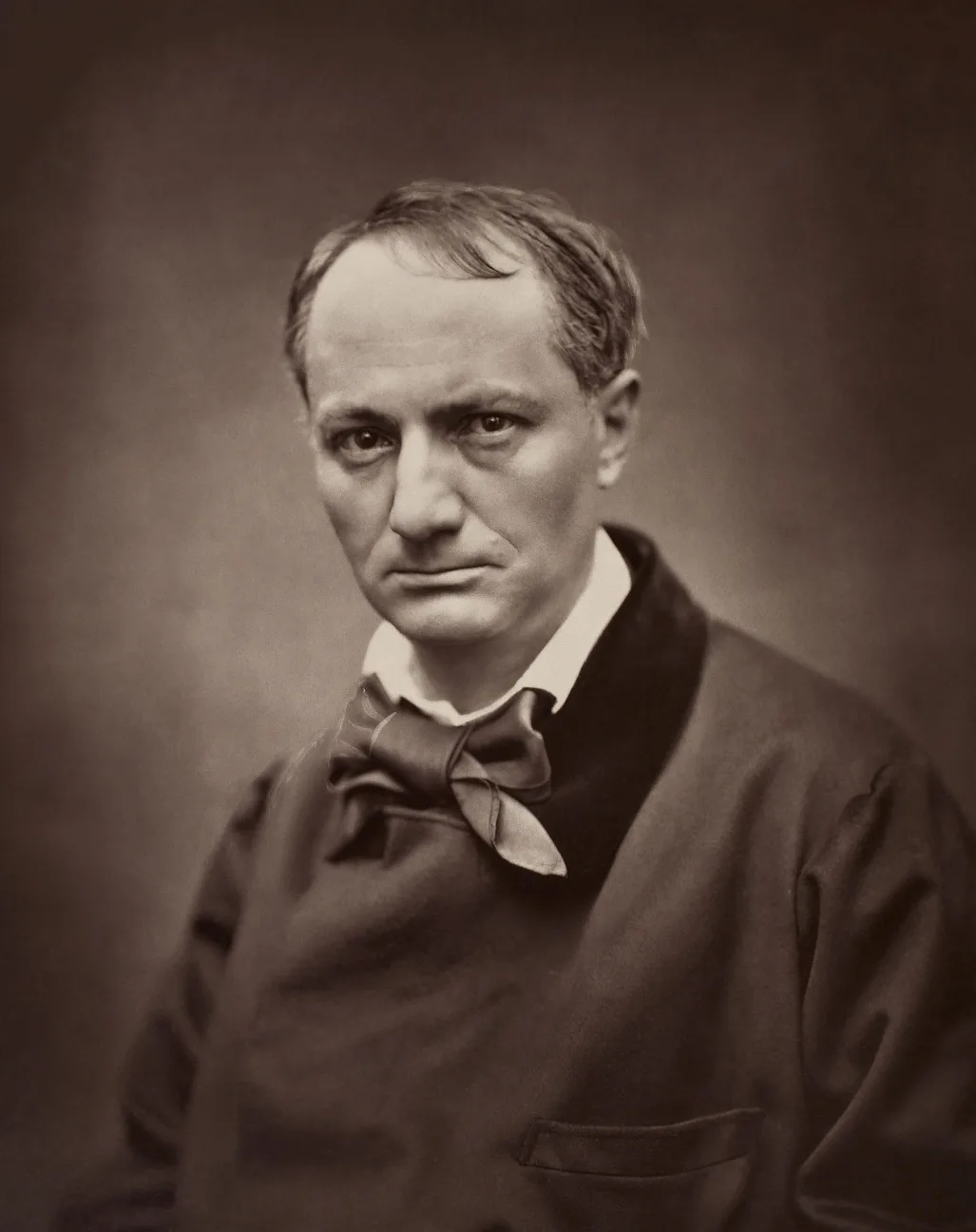
When the daguerreotype appeared in Paris around 1840, it stirred the art world with a storm of reactions – dramatic statements spread from the newly emerging photo studios about the “end of painting.” Charles Baudelaire called photography the “mortal enemy of art”, and it is said that painter Paul Delaroche declared: “From today, painting is dead!”
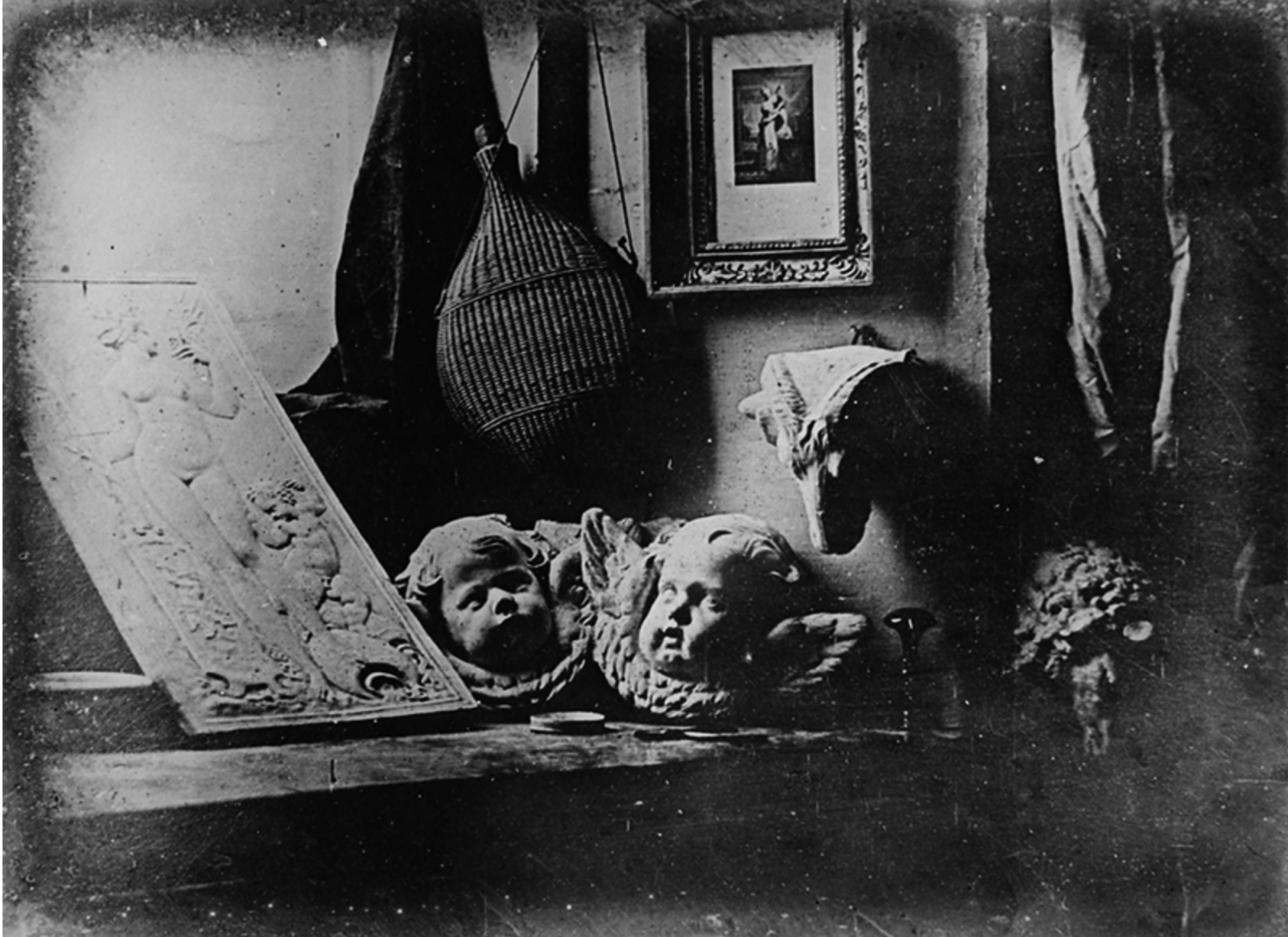
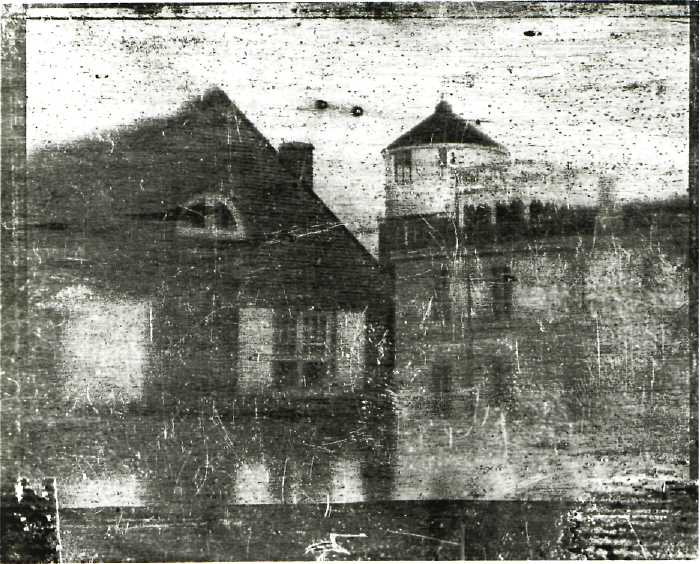
The earliest surviving daguerreotype from 1837 by Louis Daguerre, as well as the image of the Philadelphia Central High School taken by Joseph Saxton on September 25, 1839 – the first daguerreotype made in the United States – show just how revolutionary this technology was.
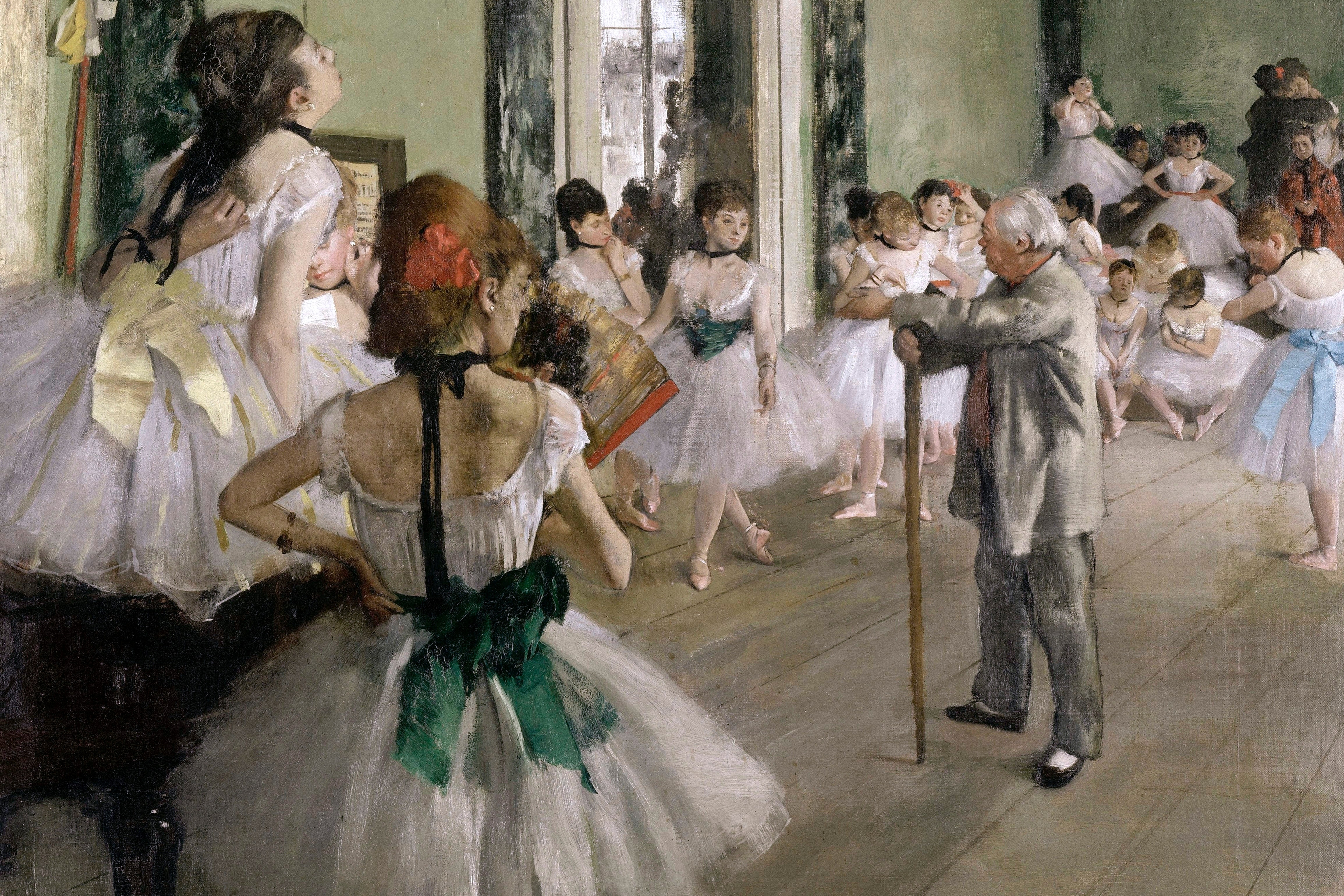
Instead of disappearing, painting transformed. It embraced what photography could not capture – the depth of layers, abstraction, and expressive use of color. While photography brought mass reproducibility, painters could focus on color exploration, personal vision, and pigment layering where the camera reached its limits. Impressionists and other modernists used this freedom to expand the boundaries of visual expression.
The End of Film? The Digital Revolution of the 1990s
With the rapid rise of generative artificial intelligence (AI), we once again hear prophets proclaiming that AI will destroy photography – this time, digital photography. They argue that in just a few seconds, it is now possible to generate any image, rendering the camera meaningless.
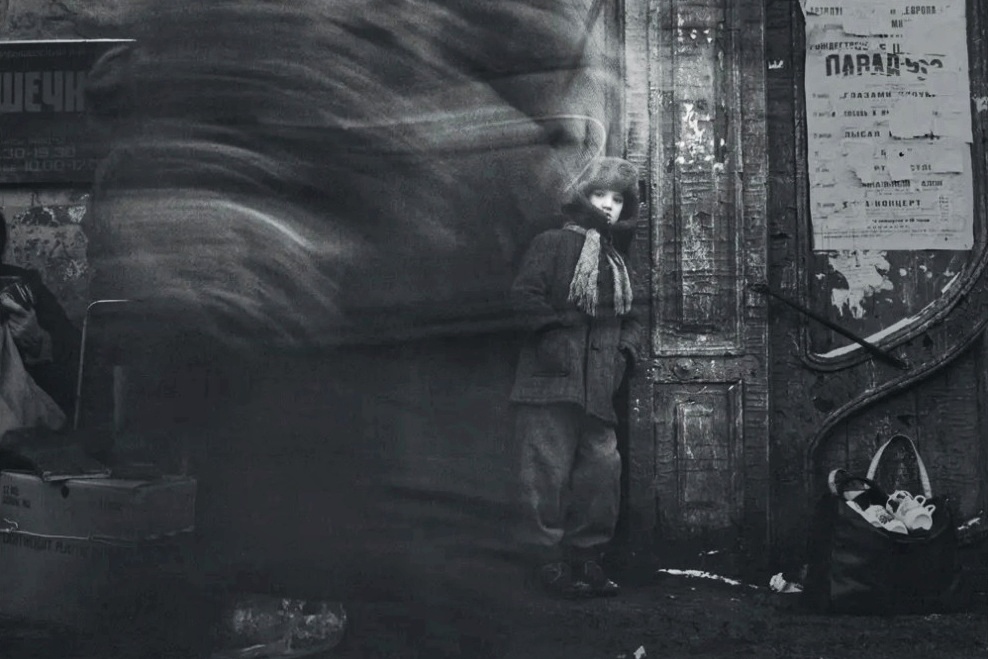
It is true that some fields may indeed disappear – especially cheap stock photography and routine product photography, where an algorithm can deliver results faster and cheaper. Perhaps even many so-called “portrait photographers”, who appear with every new DSLR purchase or smartphone, may find themselves replaced. But just as in the past, photography will not vanish. Instead, it will shift – toward authorial work, original projects, and artistic creation that no machine can replicate.
A similar situation had already occurred 150 years after the daguerreotype – in the 1990s, when digital cameras spread massively. Once again, apocalyptic voices were heard: “Digital will wipe out film within a few years.” Analog photography, which had once been accused of killing painting, suddenly became the prey, targeted for extinction.
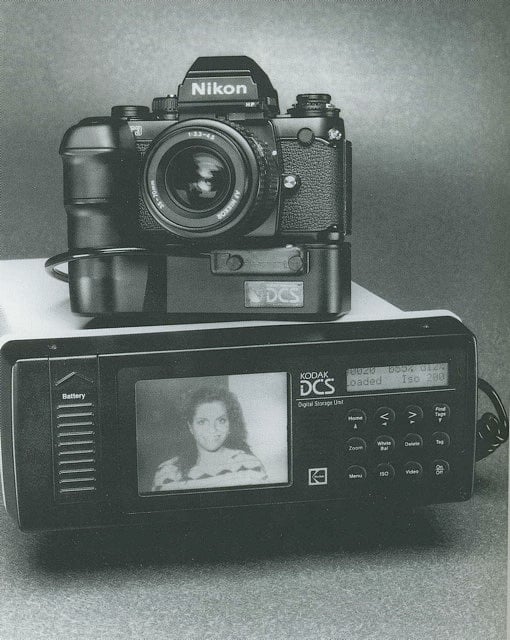
In 1991, the first professional digital camera, the Kodak DCS-100 with its Digital Storage Unit (DSU), was introduced. Although bulky and heavy, it became a symbol of the new digital era.
Yes, some companies truly collapsed in that era – the legendary Kodak, unable to transition from film sales to a digital model, declared bankruptcy in 2012, while Polaroid disappeared already in 2001. Yet photography did not end.
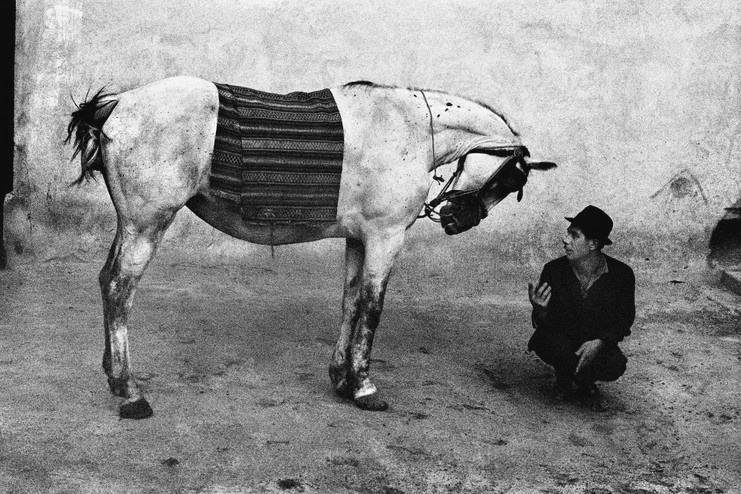
Film photography simply withdrew from the mass market and found a new role – in art, among collectors, and for authors seeking depth, character, and authenticity. Digital sensors took over the everyday “slavery” of documentation, while classic photography followed the same path that painting once took: the path of deeper art and a personal vision of the world.
The End of Photography? The Era of Artificial Intelligence
Now, with the stormy arrival of generative AI, we again hear voices that AI will destroy photography – this time, digital photography – because it can generate any image within seconds and make the camera meaningless.
But perhaps this will push digital photography toward new frontiers of visual art. While generative systems provide quick and mass production of advertising and product imagery, taking over the routine work of daily image generation, they free digital photography to pursue its own path as a form of artistic expression.
Wave After Wave: Transformation, Not the End
In each of these waves – the rise of the daguerreotype, the transition to digital, and now the arrival of AI – what seemed like the definitive end of older media instead became a starting point for new, complementary forms of artistic expression. Painters, analogue photographers, and digital photographers alike have found freedom in depth, craftsmanship, and a unique language that technology can never completely absorb.
What was predicted to disappear has always turned into an impulse for new forms, styles, and statements. So do not discard your cameras just yet – and do not believe the self-proclaimed prophets.
So, Where Are You Heading, Photography?
Forward, always forward – never a step back!
The oldest preserved daguerreotype from 1837, author: Louis Daguerre
Joseph Saxton: Central High School in Philadelphia, September 25 1839; the first daguerreotype taken in the USA