

Mounting – How to Handle a Photograph
What Does Mounting Mean and Why It Matters
Mounting a photograph is the process of its technical and aesthetic preparation — including backing, matting, framing, fixing, labeling, and protection — to make the original print suitable for exhibition, transport, or long-term preservation.
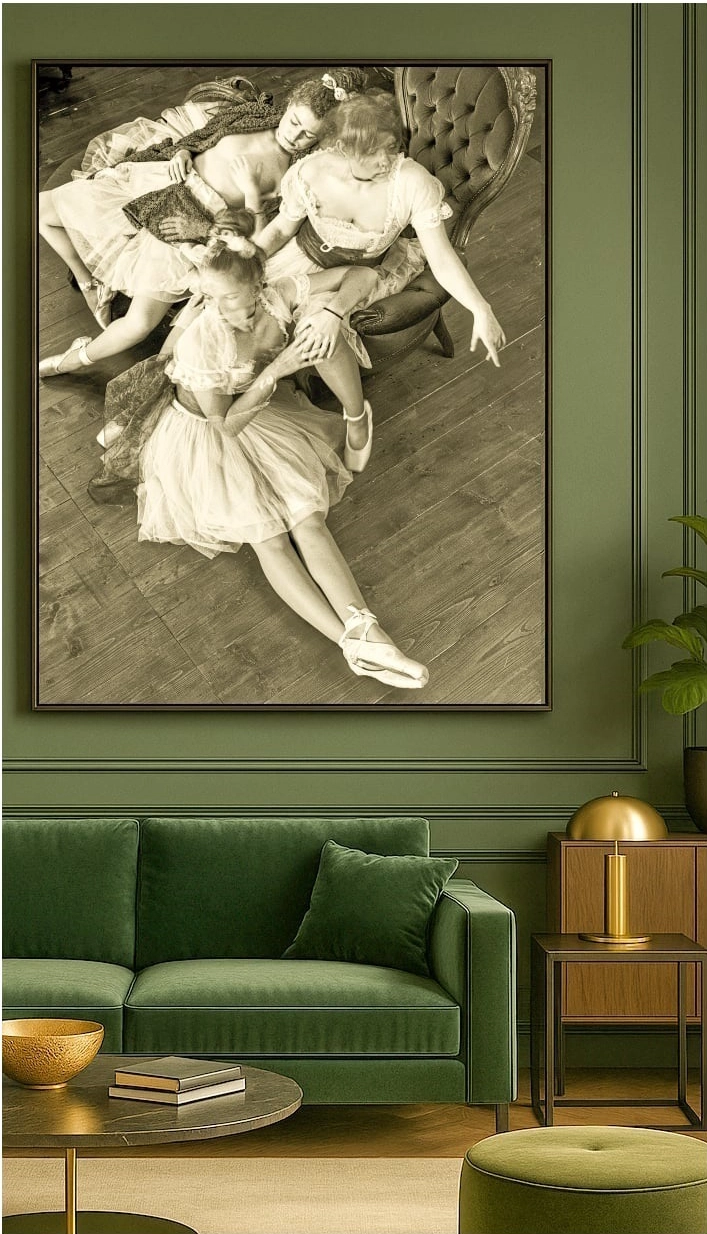
Mounting plays a crucial role in both the visual presentation and protection of the photograph. A well-chosen frame, mat, or backing enhances the tonal range, depth, and character of the image while protecting the print from dust, humidity, and damage. High-quality mounting can even elevate an average photograph into a striking and cohesive artwork. It is a mark of the artist’s professionalism and gives the photograph its final, gallery-level value.
How to Handle Fine Art Photography
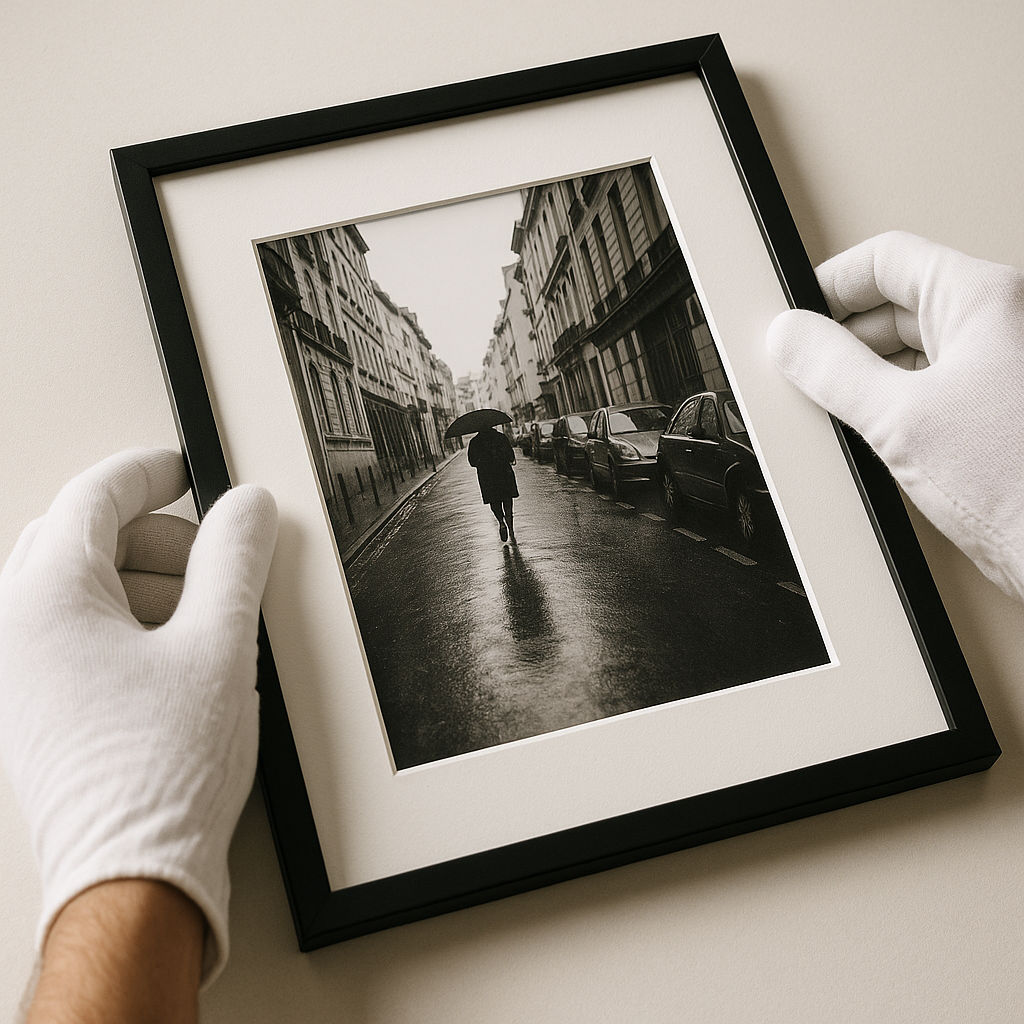
Do not touch the image surface.
Always handle the photograph only by its edges, ideally while wearing cotton gloves. Fingerprints, sweat, and skin oils are invisible at first but eventually cause stains, blotches, or changes in surface gloss. Never use a damp cloth! Paper is porous and will absorb even microscopic droplets of water or alcohol — leading to permanent damage.
-Use an antistatic brush (e.g., Hama ----Antistatic Brush or Giottos Lens Cleaning Brush).
-Or an air blower — the kind used for cleaning camera sensors.
-If you must remove light dust, gently wipe with a new, clean microfiber cloth, without pressure. Slight marks (such as a fingerprint) are often better left untouched — attempts to remove them usually cause more harm than good.
Always support large-format photographs.
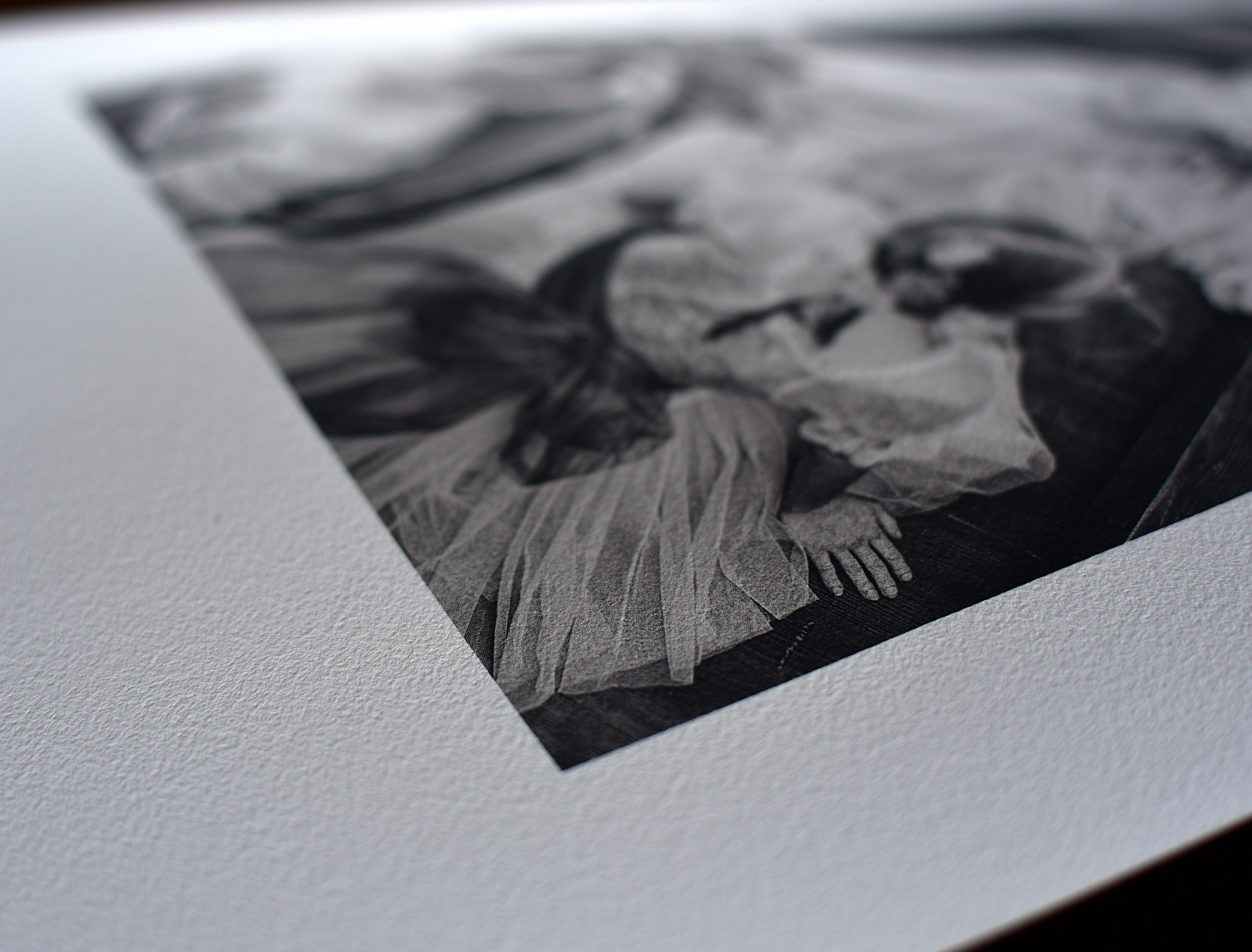
For sizes A2 and above, never lift the print by one corner. Always support it with both hands or carry it on a firm board. Excessive bending can cause paper creases that are irreversible. Matte pigment prints are highly sensitive to abrasion.The matte surface easily picks up scratches, smudges, or glossy marks from touch. Any contact with hard or rough surfaces (tabletop, frame edge, dust particles) can leave permanent damage. Responsible photographers often coat their matte prints with a protective varnish specifically designed to improve surface durability and UV resistance — this should be noted in the print’s certificate.
Open large-format prints only at the framer’s studio.
If you are unsure how to handle the print safely, it is best to let a professional framer open the transport tube or package. Improper unpacking can lead to paper creases or contamination. Remember that fine art limited editions are usually printed on heavyweight archival papers, which are far more fragile than ordinary glossy or coated office paper.
Never bend or roll photographs more than necessary.
Long-term storage in narrow tubes or repeated rolling causes a “memory effect” in the paper, making later flattening difficult and risking surface damage. Always use a protective sheet when rolling a print to avoid friction and preserve the image surface.
The Greatest Enemies of Fine Art Photography
1 – Acidity and Improper Materials
Acidic materials are the silent destroyers of every photograph. Cheap cardboard, fiberboards, standard mats, and paper products release acidic compounds that gradually penetrate the photographic paper. These substances cause yellowing, fiber degradation, and loss of contrast.
How to prevent it:
Use archival materials labeled acid-free or museum grade. Avoid regular glues, tapes, and adhesives — they often contain acids and plasticizers. Always request archival quality for both frames and mats.
2 – Light and UV Radiation
The greatest enemy of photography is light — especially direct sunlight and UV radiation. Long-term exposure causes pigment fading, tonal shifts, and loss of shadow depth. Even pigment prints with a declared longevity of over 100 years can be damaged under improper lighting conditions.
How to prevent it:
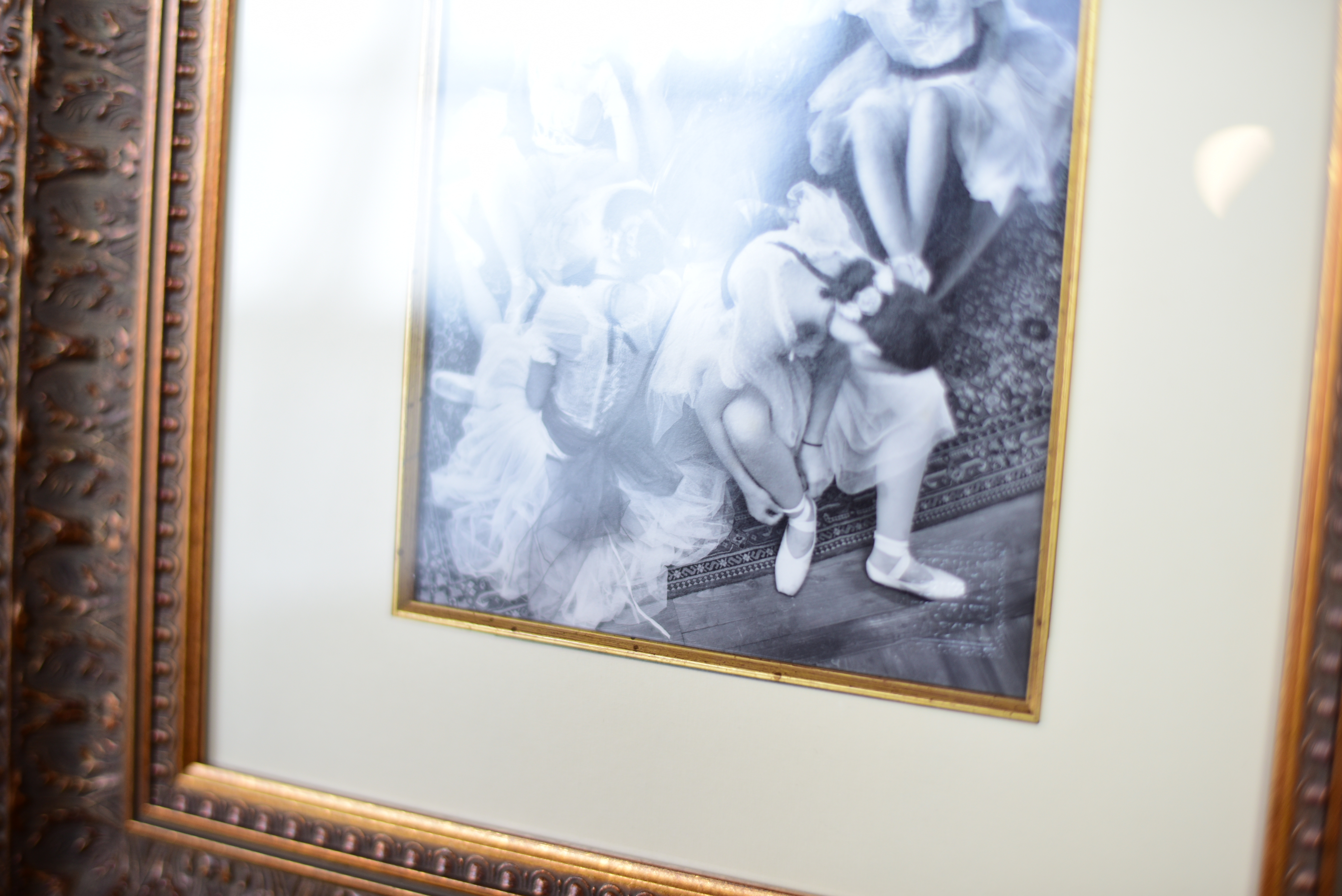
Never display a photograph in direct sunlight. The ideal lighting is indirect LED light without UV emission. For permanent display, use glass or acrylic glazing with UV protection (UV 70–99%). For valuable prints, museum-grade glass such as Tru Vue Museum Glass or ArtGlass AR 99, or UV acrylic (shatterproof and transport-safe) is recommended.When transporting framed works, handle them with maximum care. For formats exceeding 100 cm on the longer side, even a well-made frame can flex, leading to cracked glass or damaged prints. Even a minor impact can cause irreversible damage — never underestimate transport precautions.
3 – Humidity and Climate
Humidity is a hidden but very dangerous factor. Excess moisture causes paper warping, mold growth, frame corrosion, and separation of the emulsion layers. Conversely, air that is too dry can make the paper brittle.
How to prevent it:
Maintain a stable climate of 18–21 °C and 45–55% relative humidity. Do not place photographs near windows, heating, or air-conditioning units. When framing, use museum-grade PVC boards (such as Sintra or Forex Museum Grade) as a backing barrier — they prevent moisture from being absorbed from the wall. Avoid cardboard or plywood backings, as they attract moisture. You can slightly space the frame from the wall at the top edge to allow air circulation behind it.
4 – Warping and Physical Damage
A combination of humidity, gravity, and poor mounting can cause gradual warping of the paper. This not only spoils the aesthetic impression but can also damage the surface texture of the print.
How to prevent it:
Use stable mounting boards (archival cardboard, Kapa Mount, or museum-grade PVC). There should be a microscopic gap between the print and the backing so the paper can expand and contract freely. Smaller photographs should be mounted in all four corners using paper corners or acid-free archival adhesive. For larger formats, secure the central area as well — for example, with thin archival strips or by bonding the print to an acid-free backing. This prevents warping and ensures even tension of the photograph within the frame.
Final Recommendations for Mounting
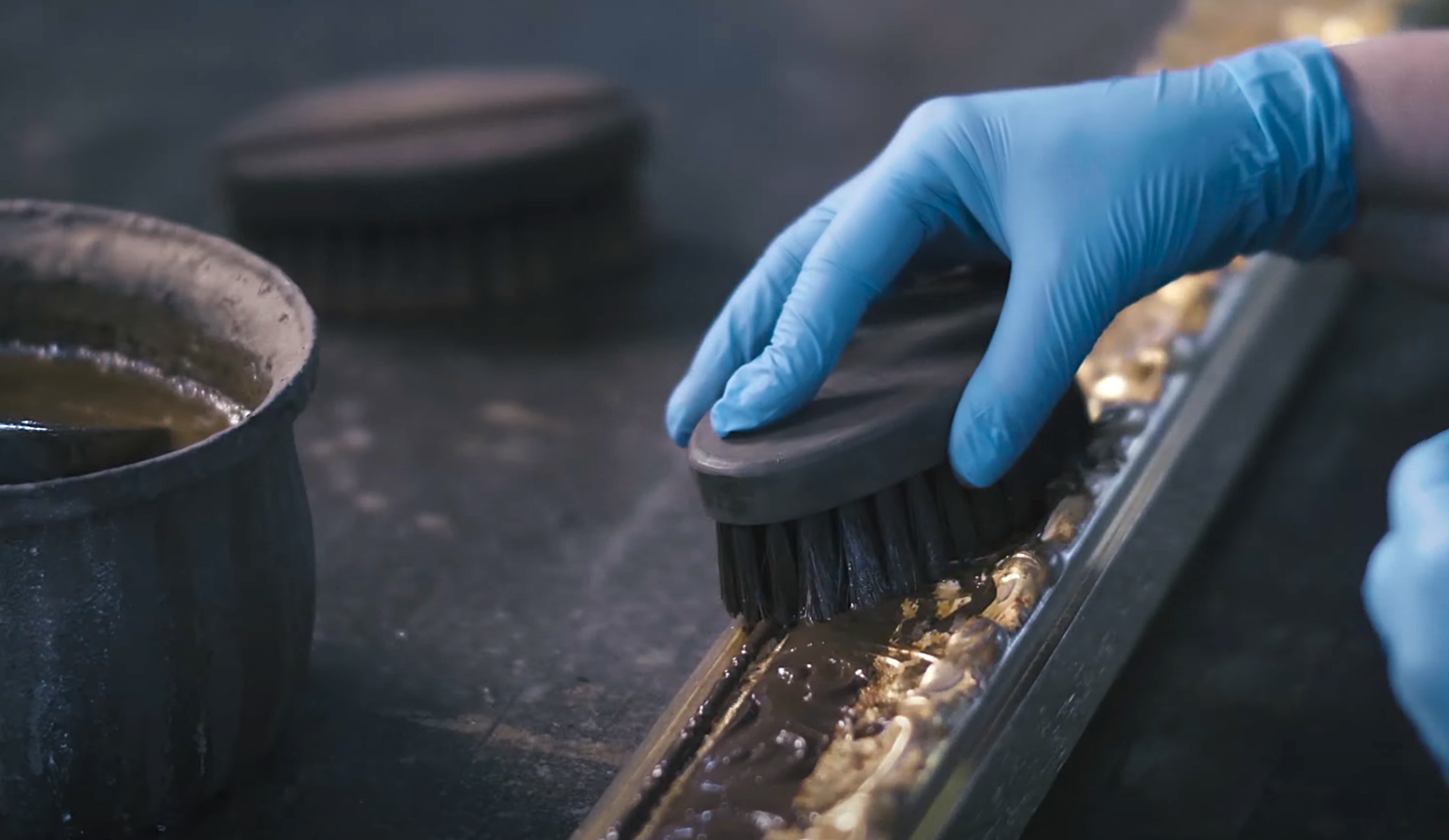
Find an experienced framer in your area and don’t hesitate to consult them. A skilled professional will help you choose the right frame material, glass type, and mounting method based on the character of the photograph. The correct choice and expert craftsmanship have a significant impact on both the final appearance and the long-term preservation of the artwork.
Mounting According to the Value of the Photograph and Archival Standards
The level of mounting should always correspond to the rarity and value of the photograph. You will naturally seek a different quality and aesthetic for a vacation snapshot than for an original fine art photograph.
For exceptional works, it is worth investing in museum-grade materials, glass, and archival mounting methods. For more common prints, it makes sense to find a reasonable balance — so that the framing does not end up costing more than the photograph itself. Avoid plastic frames from supermarkets and clip frames without glass; although cheaper, they diminish both the aesthetic and archival value of the work. Remember that proper mounting completes the overall impression and greatly extends the lifespan of the photograph.