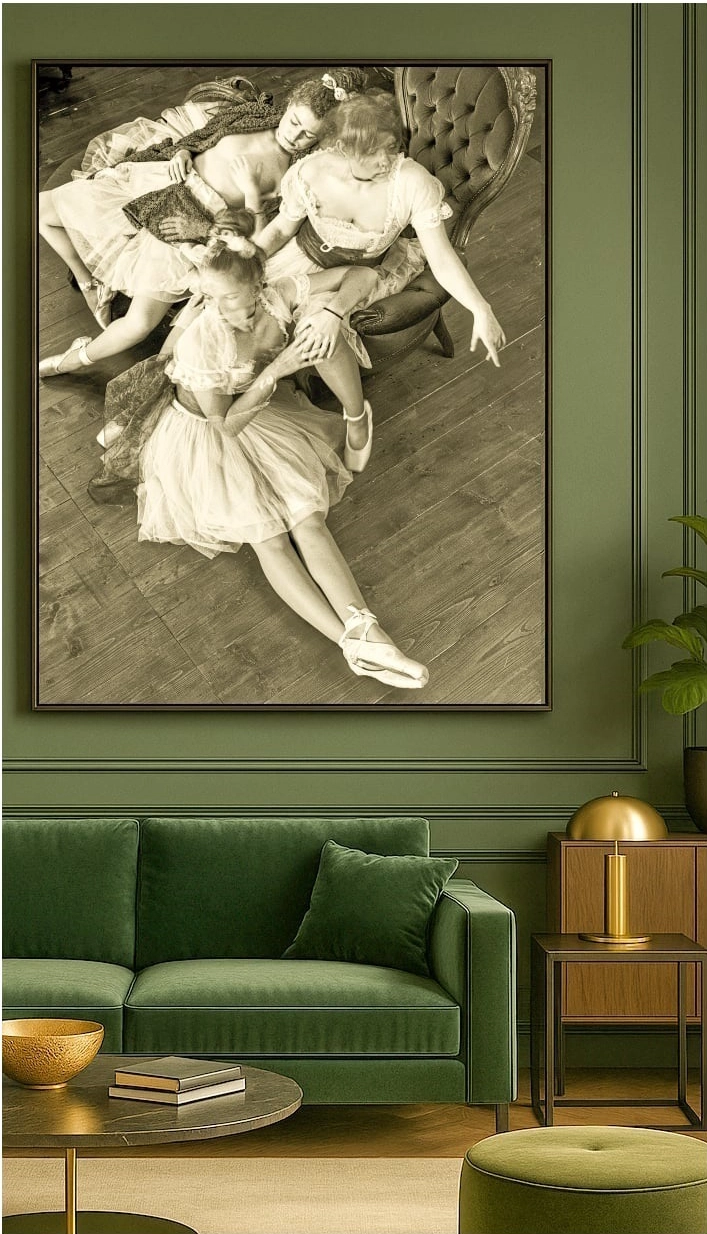


The Paris Opera Building Burned Down: From Le Peletier to Palais Garnier
Beginnings of Salle Le Peletier
The Paris Opera, then known as the Académie Royale de Musique, had been housed since 1821 in a wooden building on Rue Le Peletier. The building, simply called Salle Le Peletier, was originally meant as a temporary solution – but it ended up serving for more than fifty years.
With a capacity of nearly 1,800 spectators, it became the center of Parisian music and dance life. It was here that major works premiered, such as Rossini’s Guillaume Tell (1829) and Verdi’s Don Carlos (1867).
On its main façade, the sign “Salle Le Peletier” was prominently displayed, under which every evening crowds of Parisians entered – from aristocrats to ordinary townsfolk, all coming to enjoy ballet and opera.
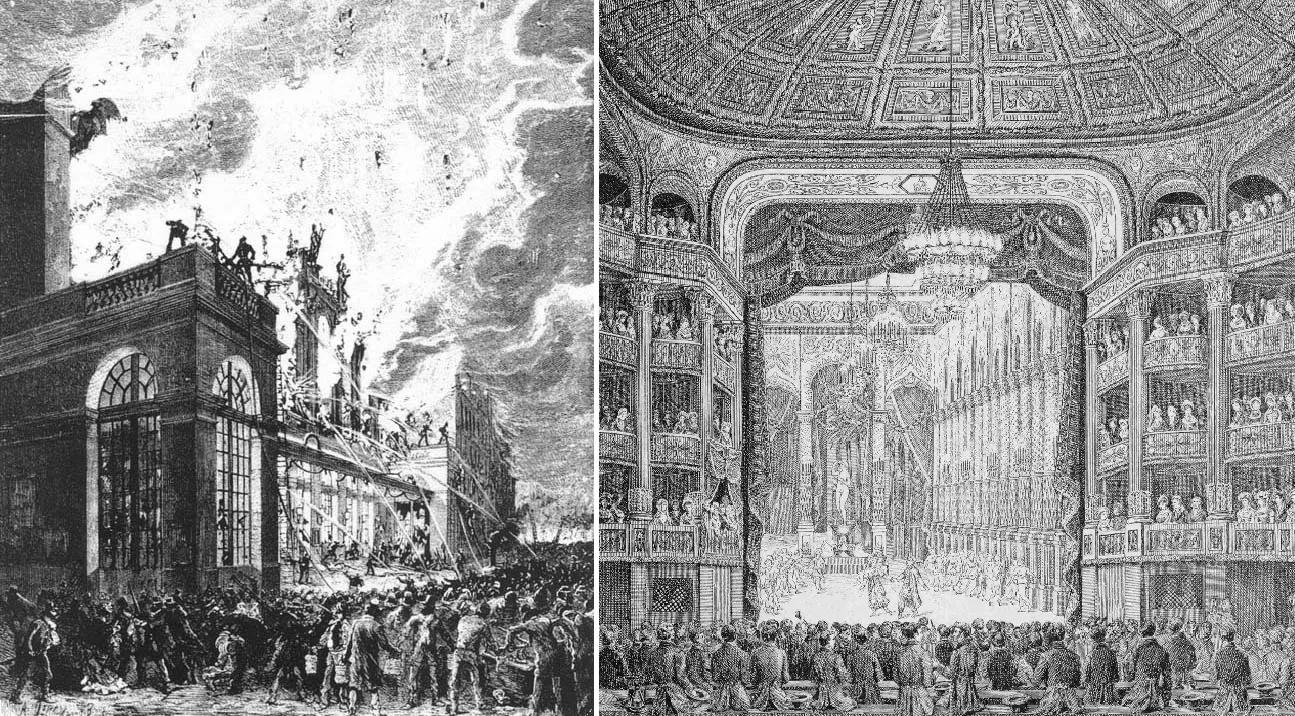
The Fire of 1873
On the night of October 29, 1873, a devastating fire broke out in the theater, caused by a faulty gas system. The blaze spread with incredible speed and lasted 27 hours.
Although there were no human casualties, nearly all sets, costumes, and stage equipment were destroyed. For Parisian ballet and opera, it meant a tremendous loss.
Palais Garnier – Monumental Replacement
On the site of Salle Le Peletier, construction had already been underway since 1861 on a new building designed by architect Charles Garnier. The grand opening took place on January 5, 1875, in the presence of President Patrice de Mac Mahon.
The new Palais Garnier was breathtaking:
- a monumental staircase,
- richly decorated foyer,
- painted ceilings,
- the most modern stage technology of its time.
The building immediately became a symbol of Parisian culture and luxury – a true palace of art.
Degas and His Dislike of the New Building
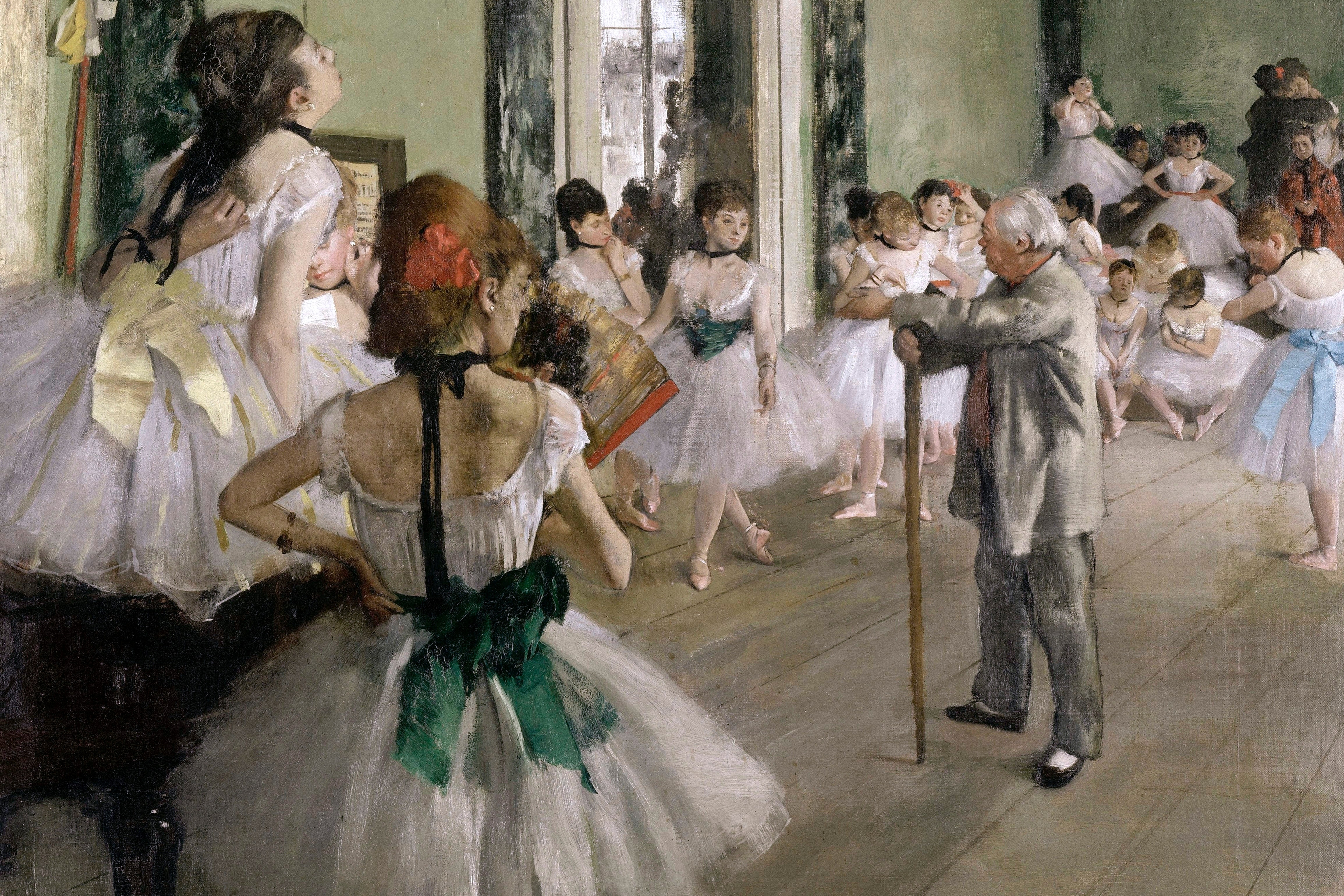
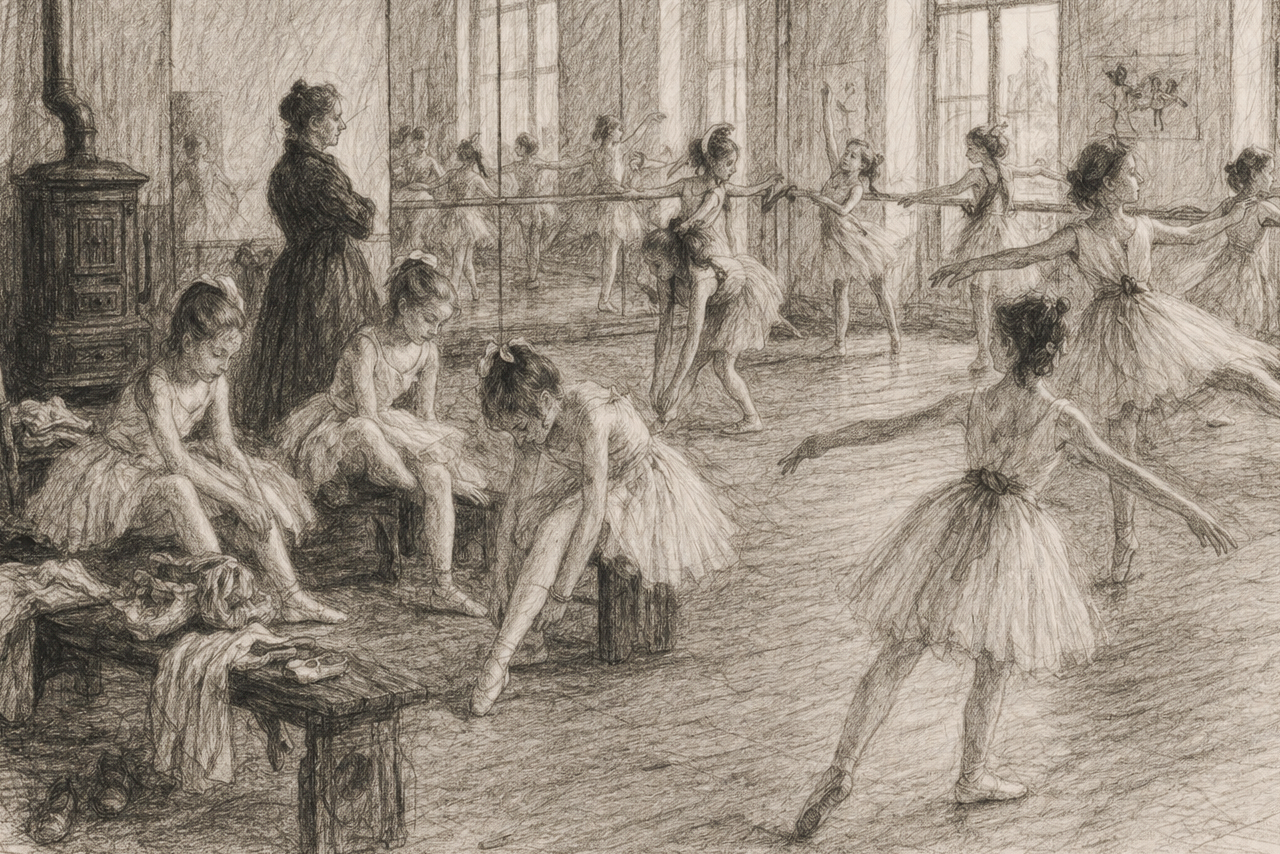
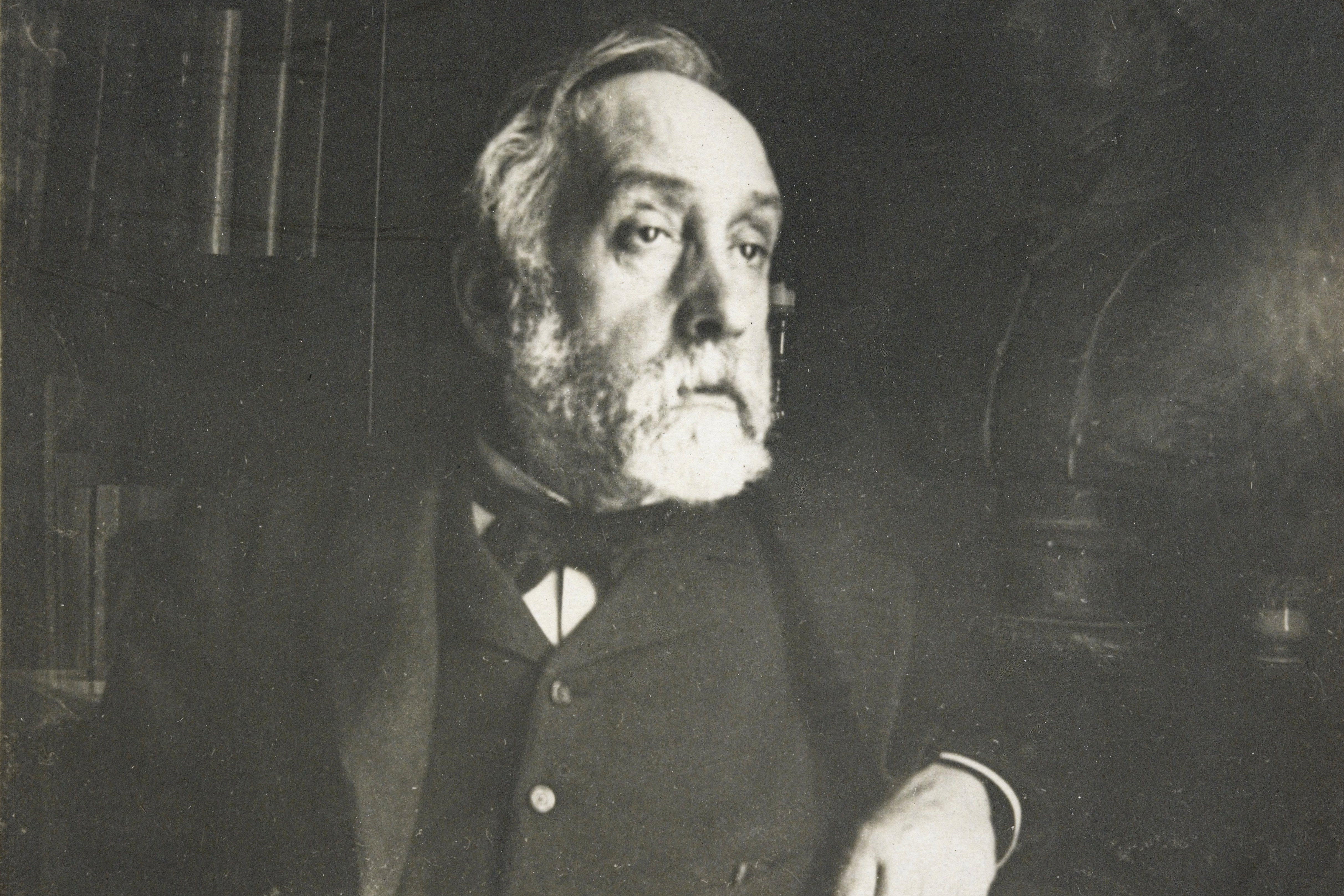
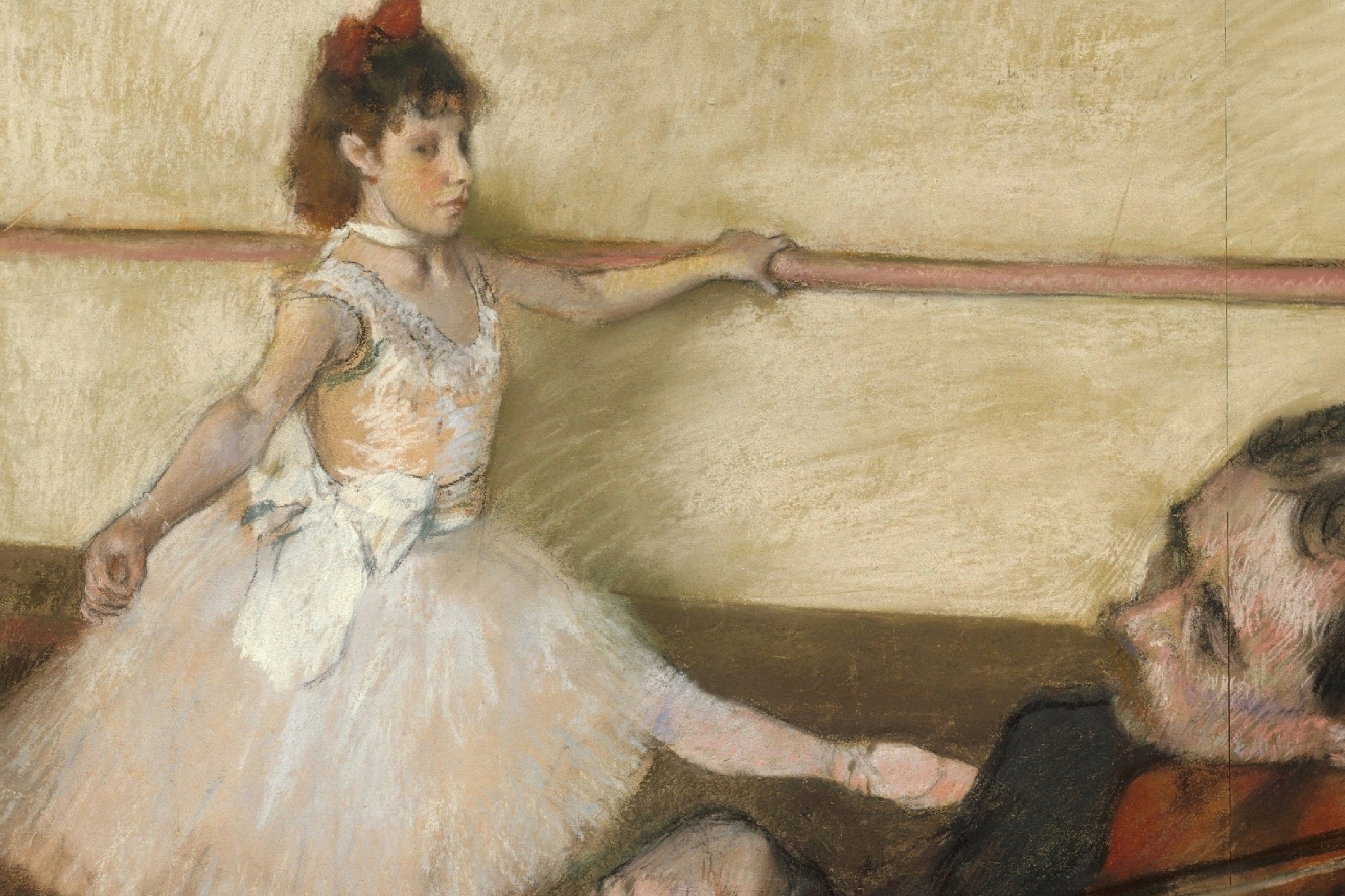
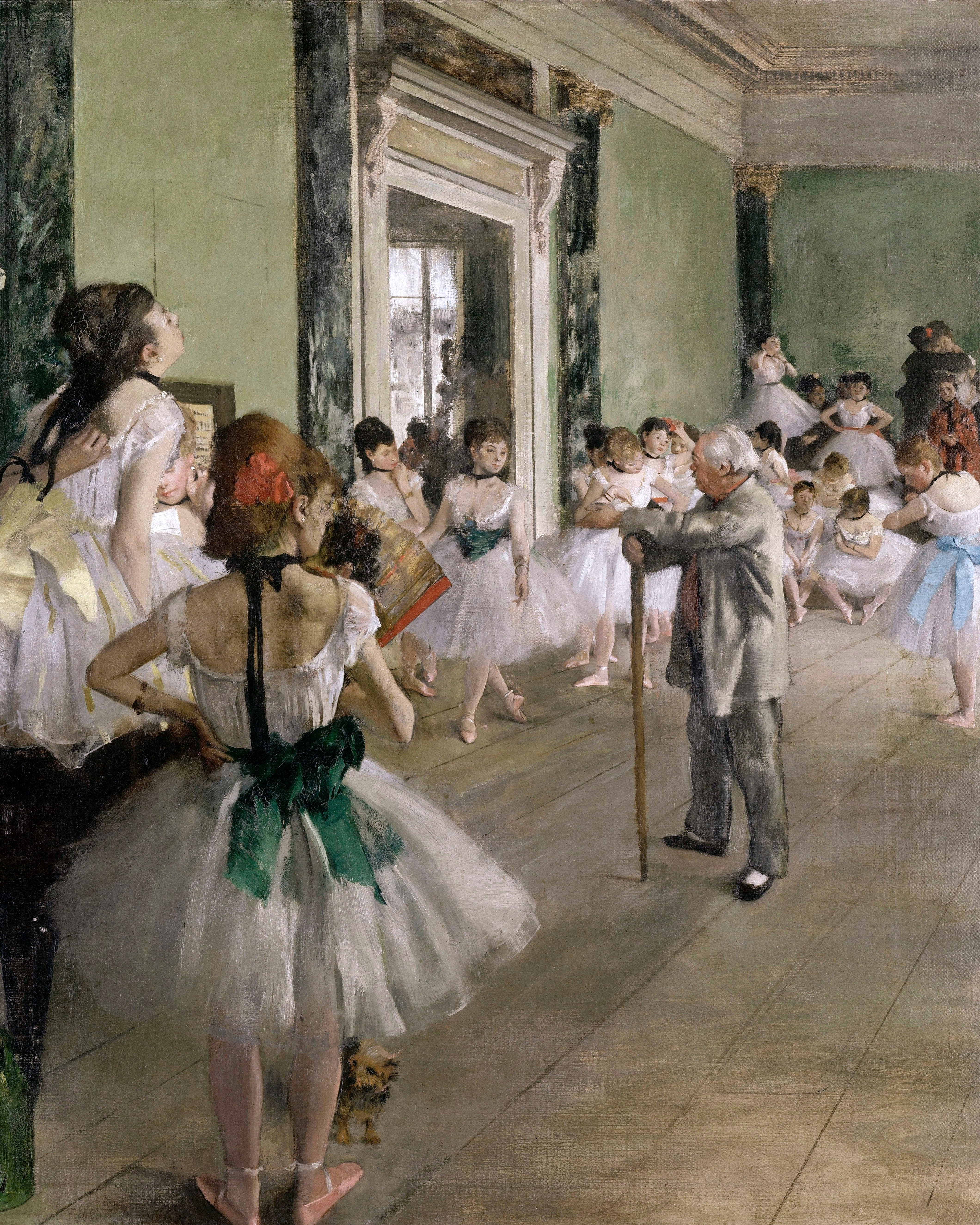
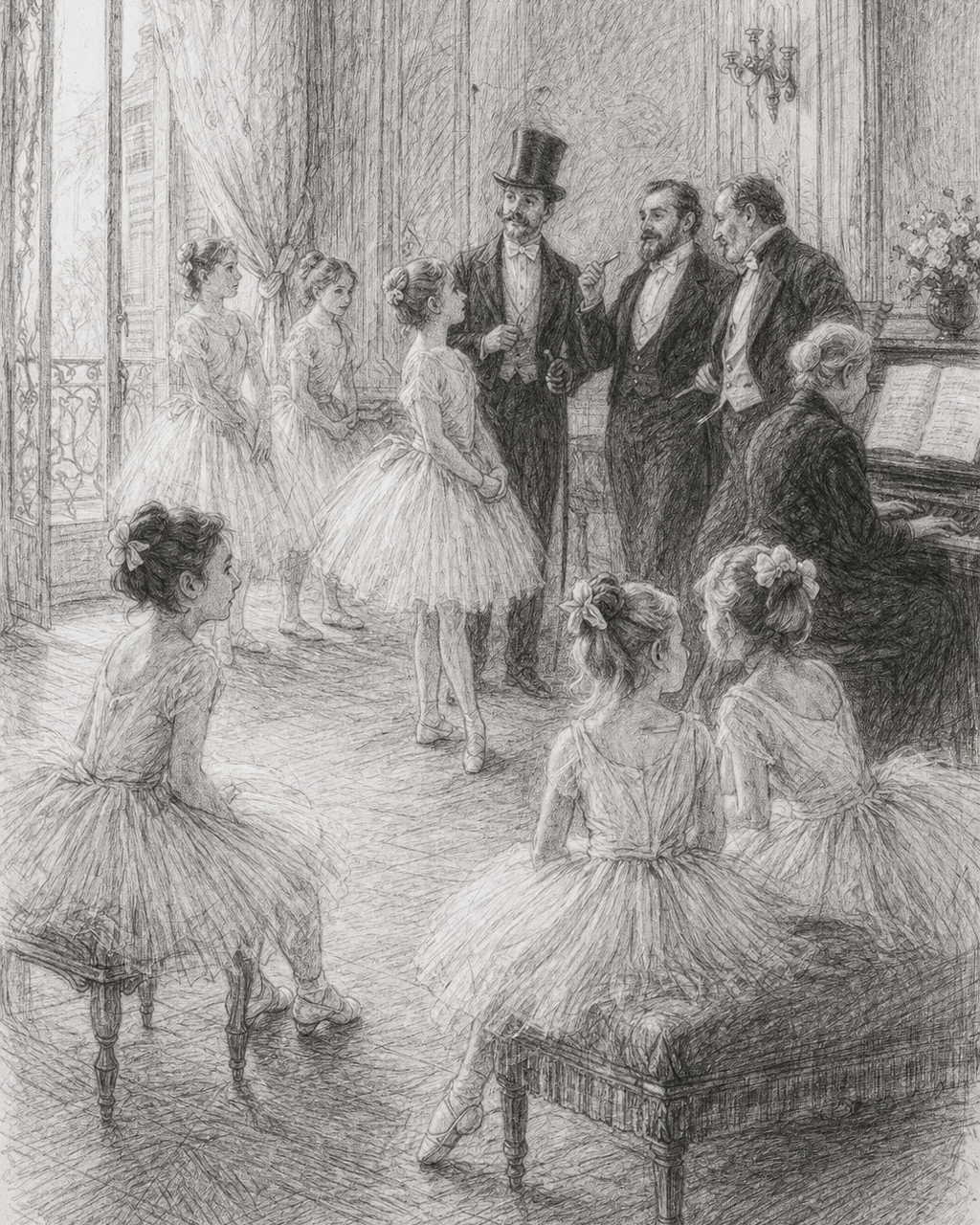
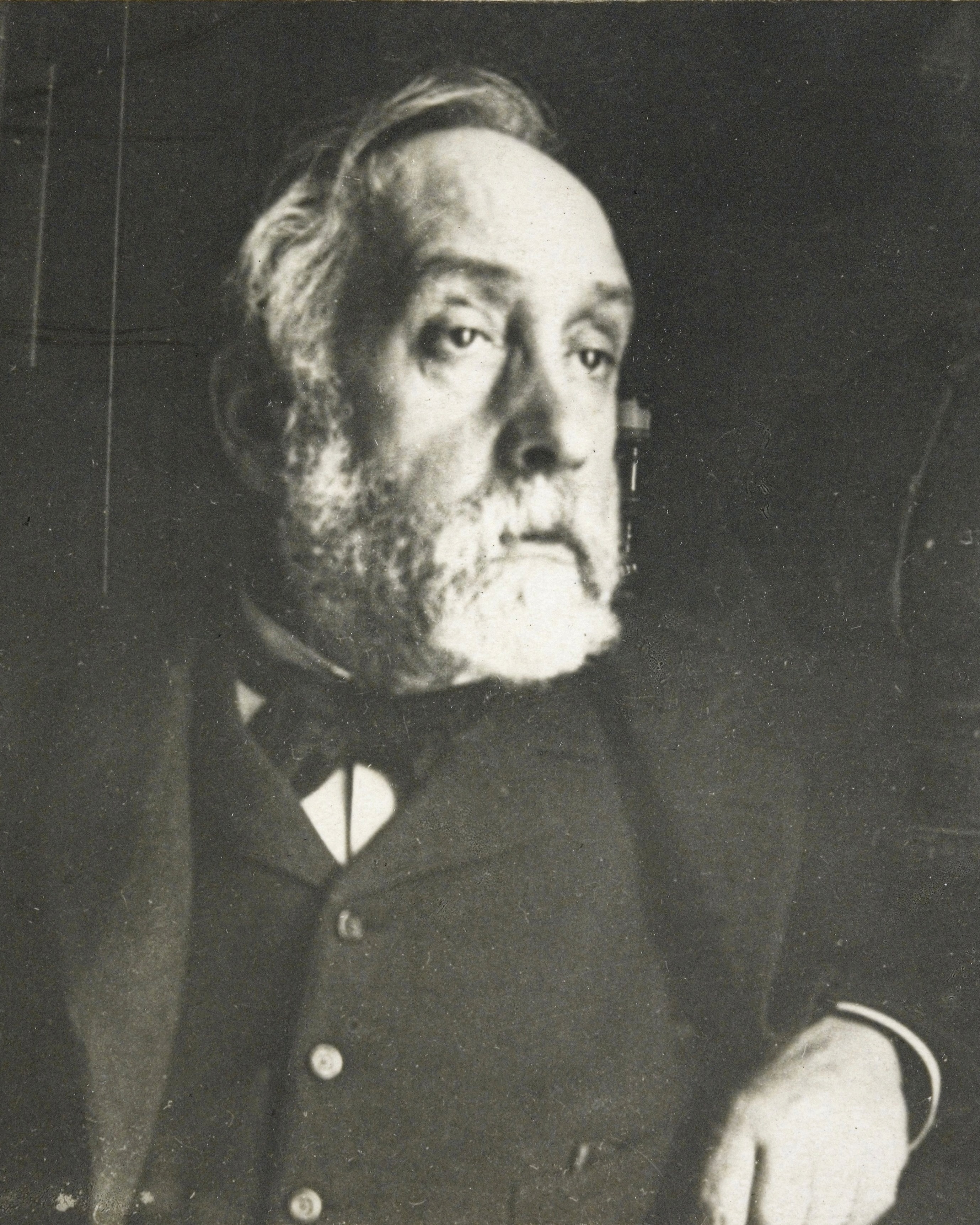
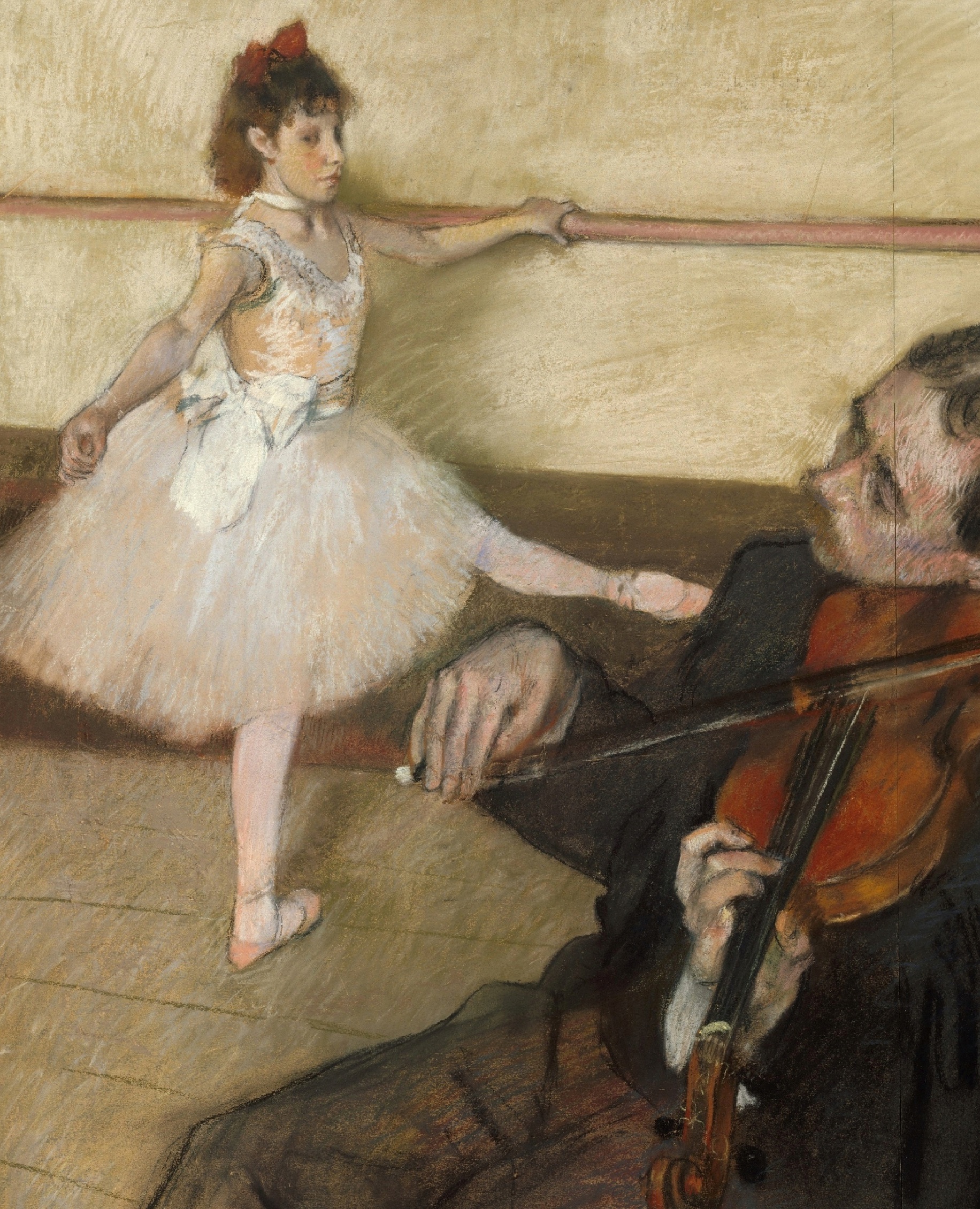
For Edgar Degas, the painter who had spent decades in the backstage world of Parisian ballet, the Palais Garnier represented a problem. Degas loved the intimate atmosphere of Le Peletier, where he could quietly observe the little dancers (les petits rats) during rehearsals, rest, or their ordinary moments.
Palais Garnier felt to him too ostentatious, cold, and sterile. The monumental spaces that impressed visitors took away what he considered most important – the authentic backstage life. That is why in the new building he deliberately avoided personal work and preferred to rely on his sketches and memories of Le Peletier.
Interesting Facts
- The earliest photographs of Palais Garnier show that a large square in front of the theater was originally planned – but due to existing buildings, it was never realized in its intended scale.
- The construction costs exceeded an astronomical 36 million francs, several times more than the original budget.
- Degas was not the only one who disliked the new building. Critics accused it of being “too theatrical” and that its opulence distracted from the art itself.
Legacy
Although Salle Le Peletier burned down and vanished without a trace, its spirit lives on in the works of Edgar Degas. His paintings remind us of the intimate and human side of ballet, which was lost in the monumental Palais Garnier.
Degas thus paradoxically preserved for future generations the atmosphere of a place that had physically perished in flames.