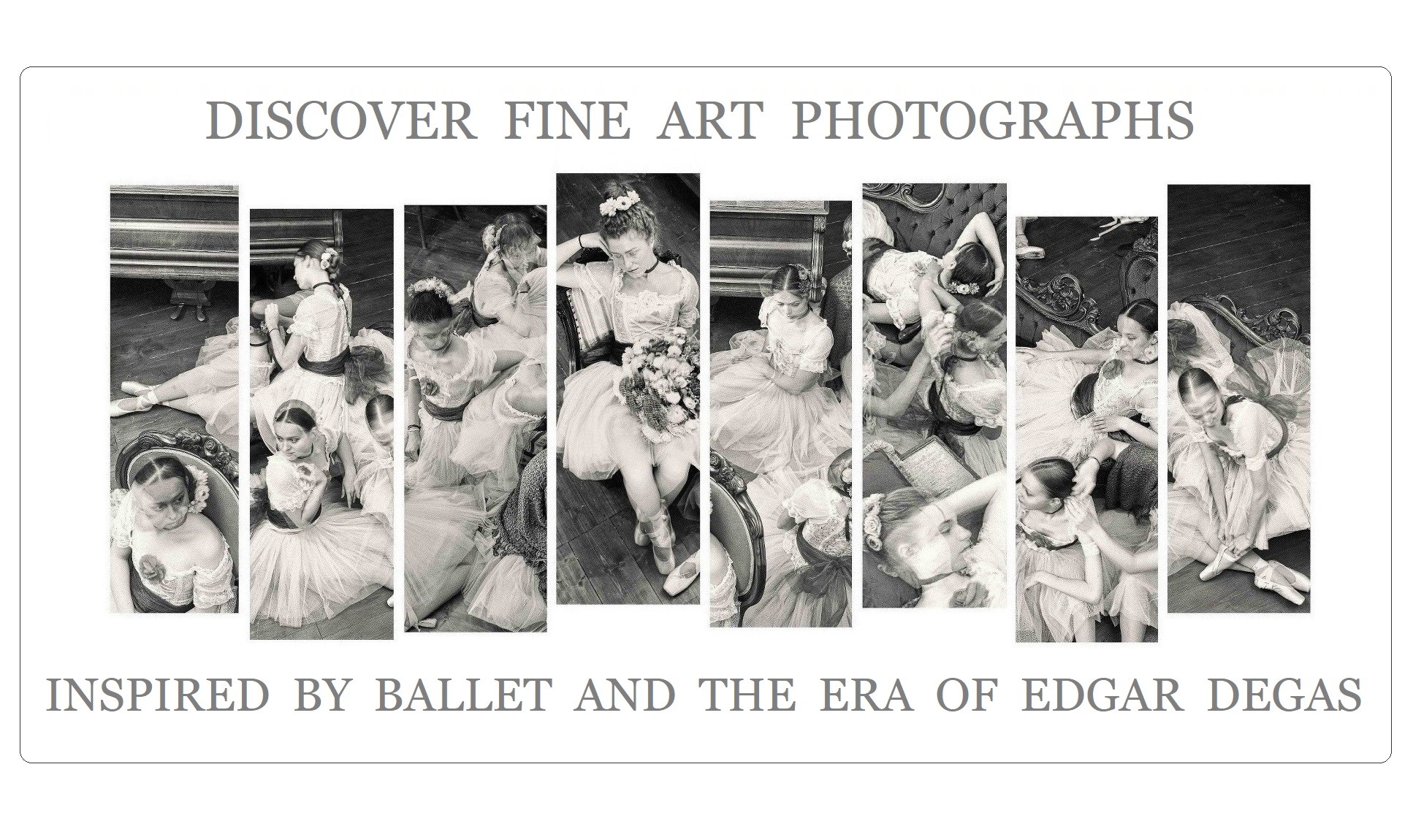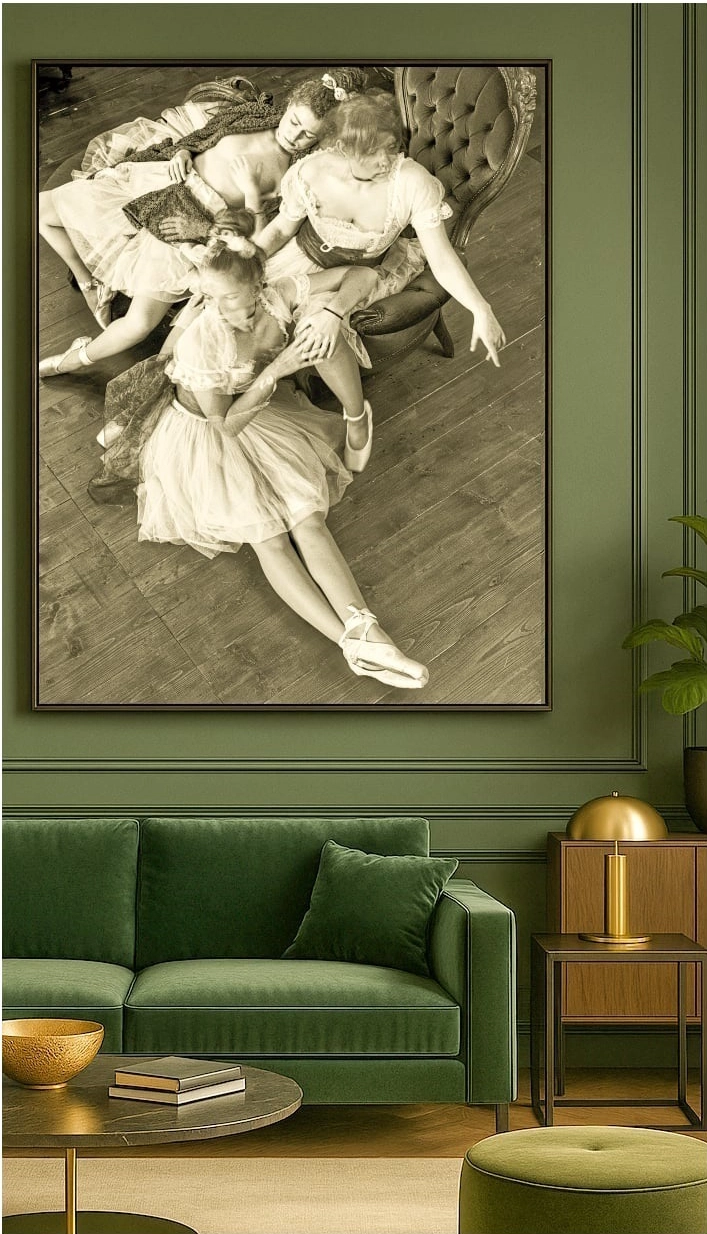


“Les petits rats de l’Opéra” – The Little Rats of the Paris Opera
In the second half of the 19th century, Parisian ballet was part of both the brilliance and the darker side of the city. At the Salle Le Peletier, home of the Paris Opera until 1873, hundreds of young dancers trained and performed. The youngest ballerinas were called “les petits rats” – the little rats of the opera. These were girls between the ages of 8 and 14 who entered the Paris Opera Ballet School. The nickname symbolized their quiet yet constant movement backstage – just like the rats in the old theater buildings.
For most of them, it was not a dream of dance, but rather a necessity. They came from poor families, and ballet meant hope for a better livelihood or at least financial support from patrons.
The Strict Regime and Duties of Young Ballerinas
The life of young dancers was merciless and full of discipline.
- Morning exercises at the barre – starting at eight o’clock; with emphasis on precision, posture, and discipline.
- School lessons – held within the opera building, since the girls were minors.
- Afternoon ballet rehearsals – practicing with the orchestra, selection for evening scenes.
- Evening performances – even the youngest girls appeared in crowd roles and stayed at the theater late into the night.
In addition, they had to maintain their pointe shoes, sew or repair their training clothes, and take care of their hairstyles. A ballerina back then was not only a dancer but also her own wardrobe mistress.
Daily Schedule of the Ballerinas
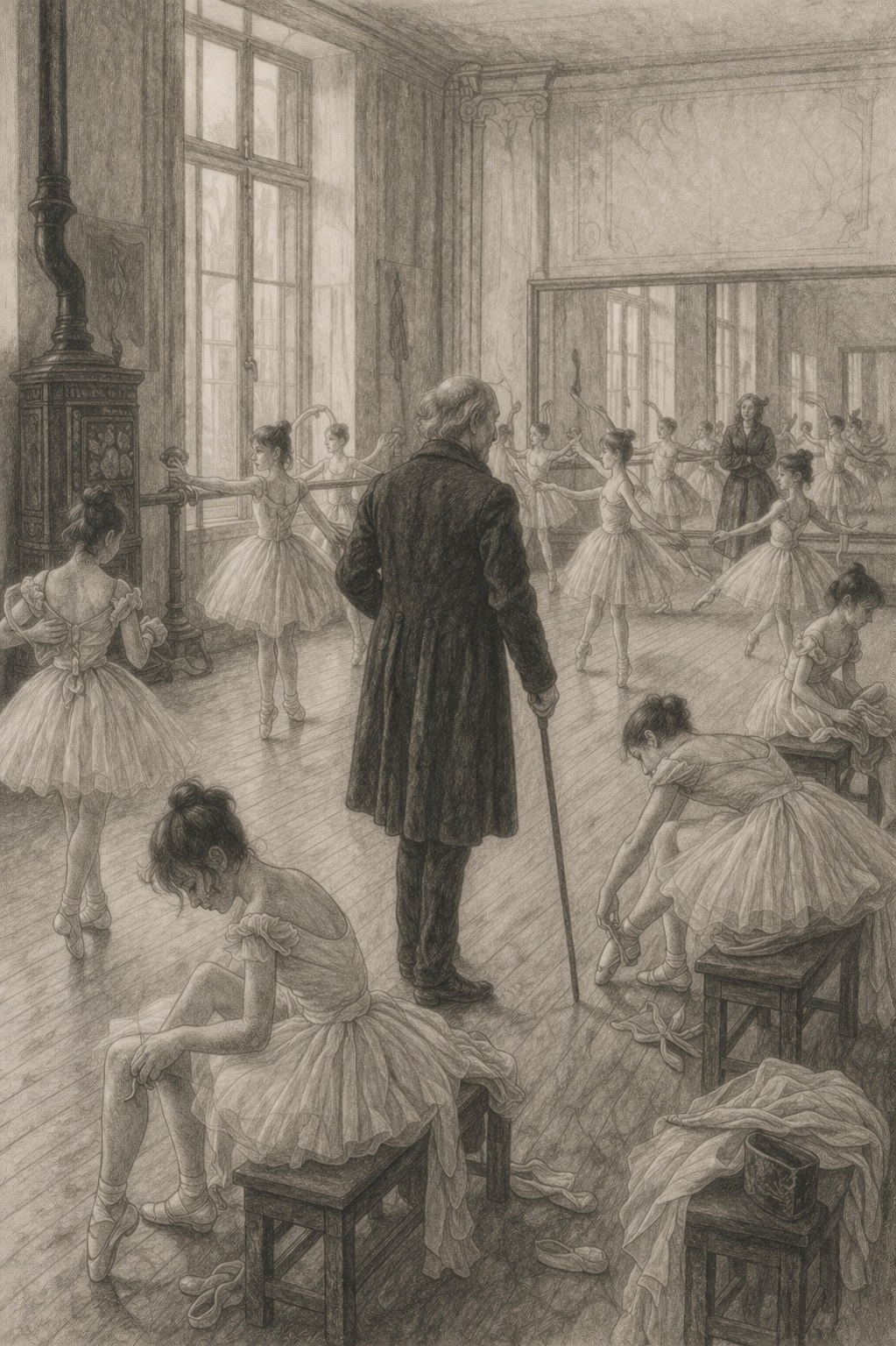
The girls rose very early to be on time at the opera. They trained on old wooden floors, often in studios without proper heating. The ballet master (maître de ballet) was uncompromising – punishing with shouting and sometimes physical discipline, which was common at the time.
Hierarchy in the Ballet Hall
Older students had privileged status, and the younger ones had to obey. Every ballerina dreamed of one day advancing “from the rats” to the corps de ballet, the first real step in a professional career.
Supervision and Discipline at the Ballet School
At rehearsals, a “mistress” was present to supervise the girls’ behavior. Even the slightest offense – being late, losing a costume, or showing insufficient discipline – could mean reduced pay or being removed from a role.
Physical Consequences and Exhaustion
Endless repetition of exercises caused joint and foot injuries. There was no modern physiotherapy – ballerinas treated pain with compresses, sometimes even alcohol. Chronic exhaustion was common, as the children trained even after school hours.
Lodging, Food, and the Costs of Ballet Training
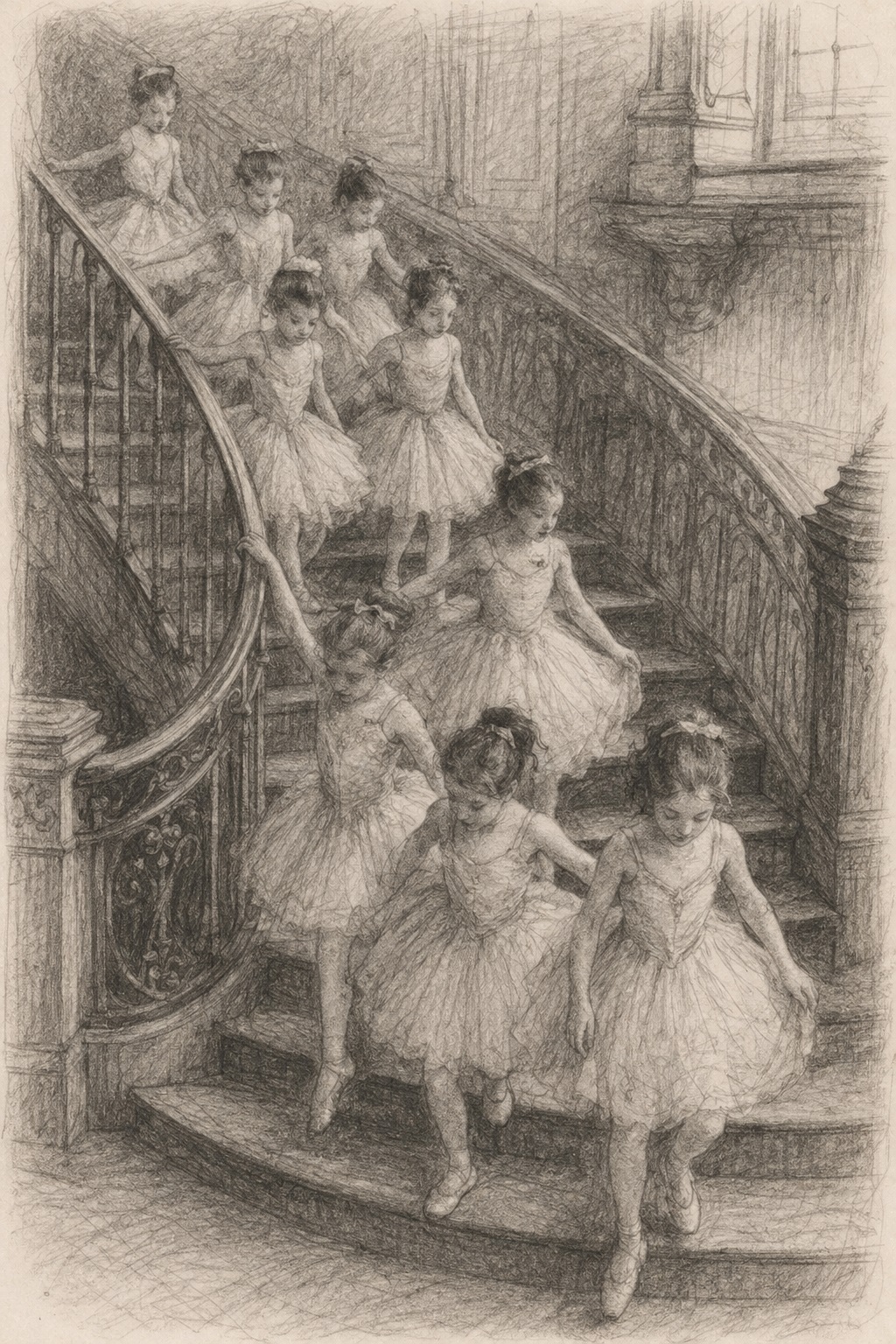
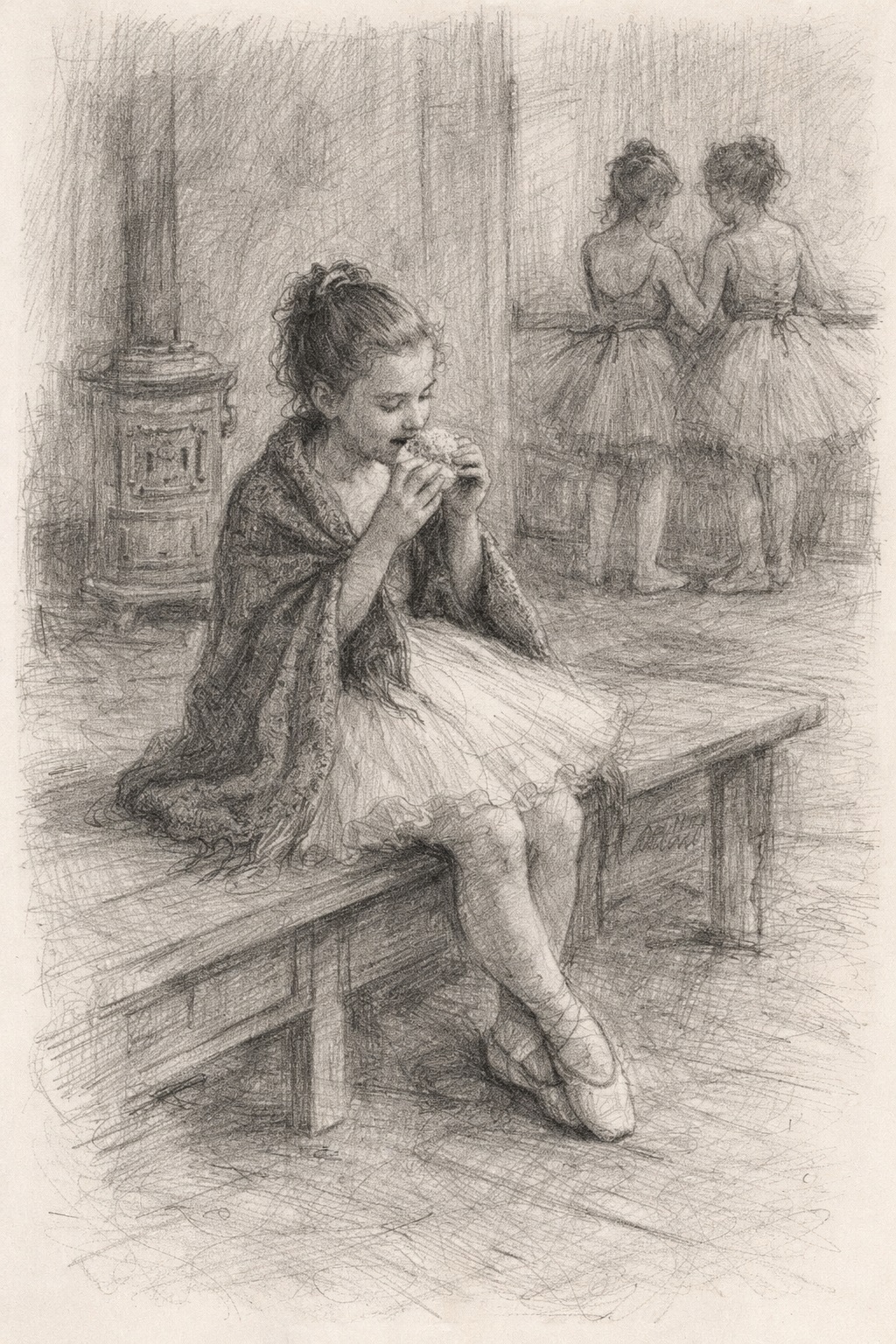
Most little ballerinas lived with their families in the poor districts of Paris and walked several kilometers to the theater every day. The opera provided neither lodging nor meals – everything had to be covered by families from their meager resources. The salary of beginner dancers was so low that it barely covered basic needs, and many girls suffered from malnutrition.
Necessary training equipment such as pointe shoes and practice clothes had to be bought at their own expense. They often restitched and repaired their shoes until they fell apart, since new ones were too expensive for most families. The opera did provide stage costumes for evening performances, but everyday clothing and footwear were entirely the responsibility of the parents. This imbalance and constant financial pressure only deepened the ballerinas’ dependence on wealthy patrons and subscribers, who often determined their living conditions more than the opera’s management itself.
Social Reality and the Subscribers of the Paris Opera
Opera subscribers – wealthy holders of theater boxes – in the 19th century had relatively free access to the ballet backstage. They often chose young ballerinas as “protégées” and supported them financially in exchange for favors. Parisian society tolerated this silently; for poor families it was sometimes a means of survival, but for the girls it often meant a difficult and dependent fate.
Facts from the Life of the Ballerinas
- Rehearsals lasted up to six hours a day, regardless of age or health.
- Ballerinas received a small salary, often not enough for food or clothing.
- Many suffered from malnutrition and illness – tuberculosis was common; injuries from hard training were no exception.
- Girls were admitted to the ballet school from the age of 8; only a handful became stars, while most ended their careers after a few years, or drifted into the darker establishments of Paris.
Change with the New Opera Director
The situation of the ballerinas began to change at the end of the 19th century, especially after 1894, when the opera management under Pedro Gailhard focused more on regulating backstage access and limiting the direct influence of subscribers on the ballet corps. Wealthy men’s free entry backstage was gradually restricted, and public criticism of these unspoken “moral practices” grew stronger. Still, full professionalization took decades.
Edgar Degas as a Witness to the Ballet’s Backstage
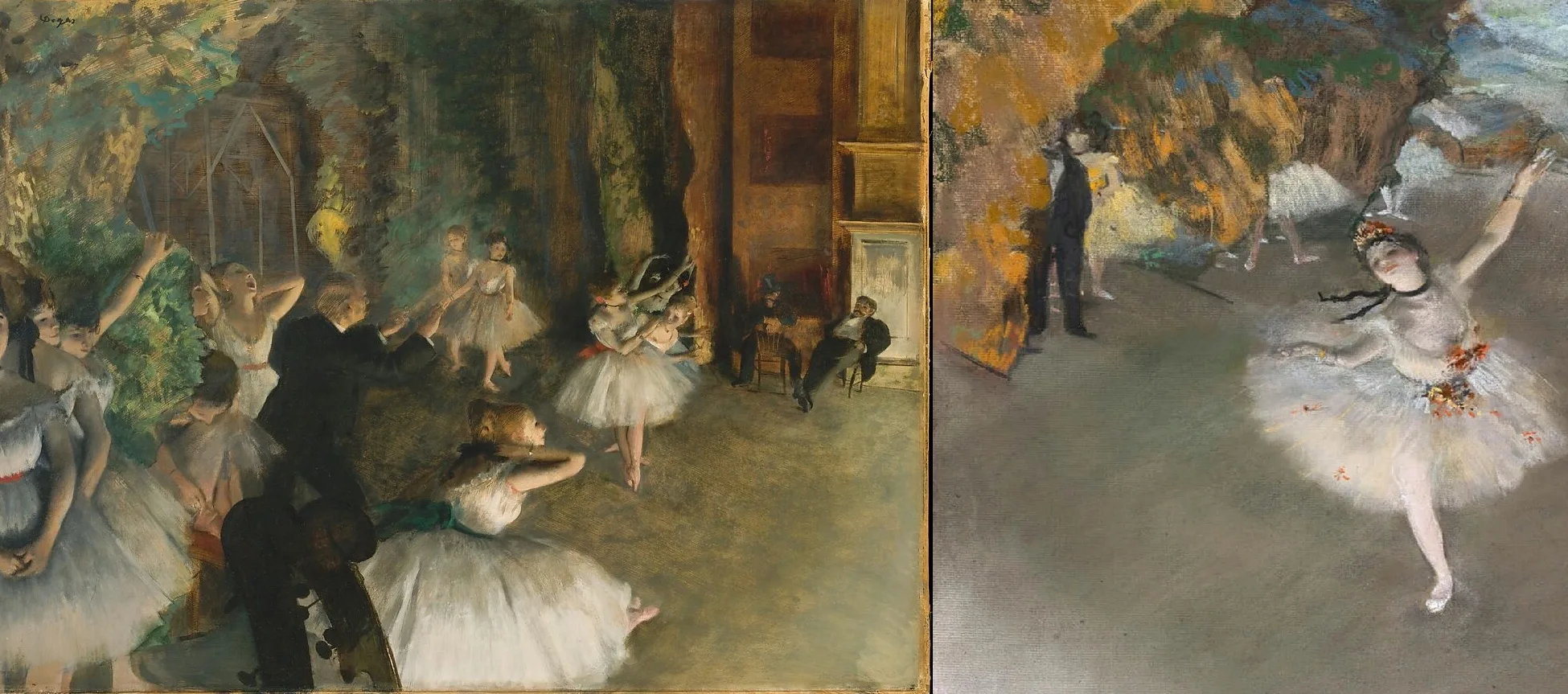
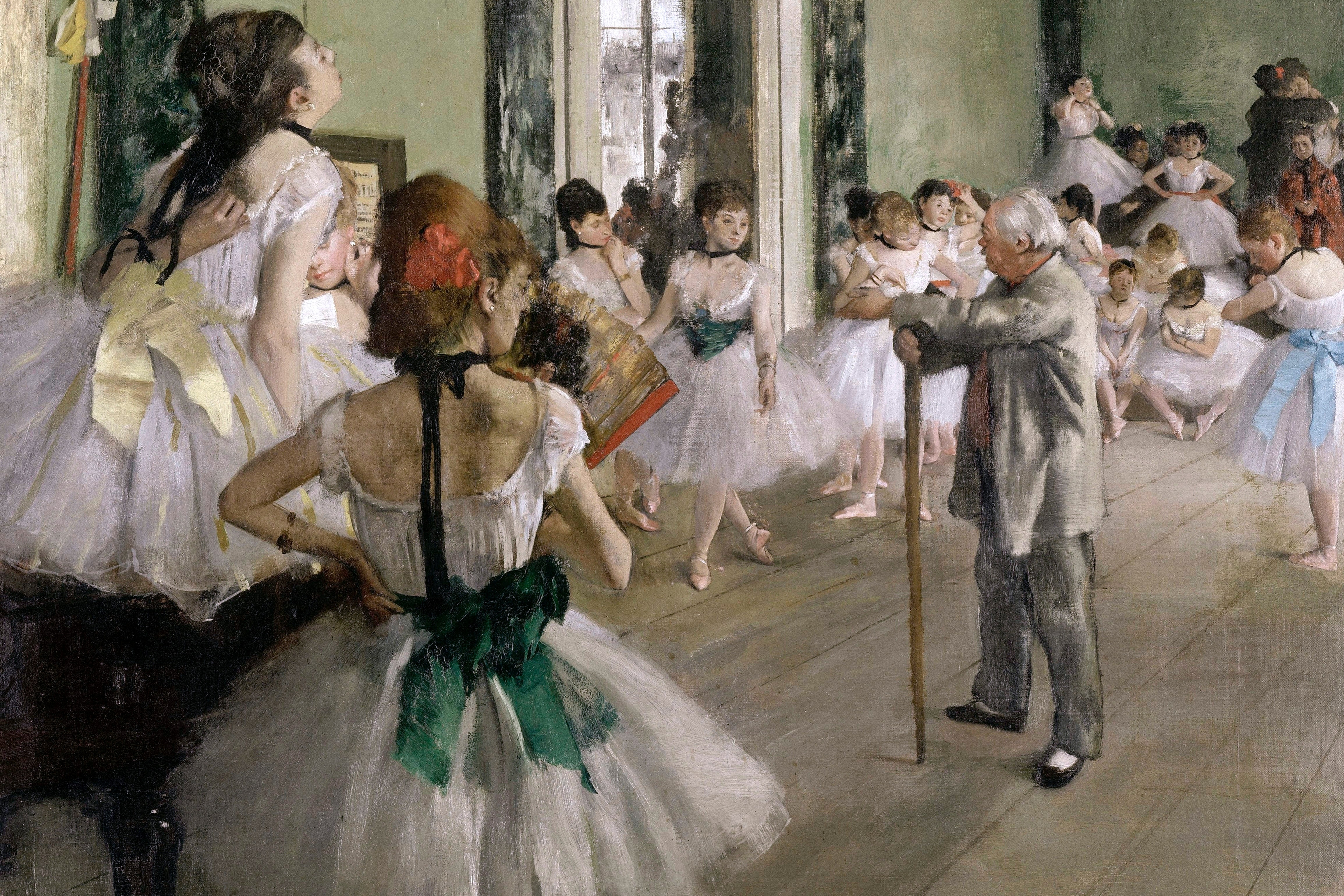
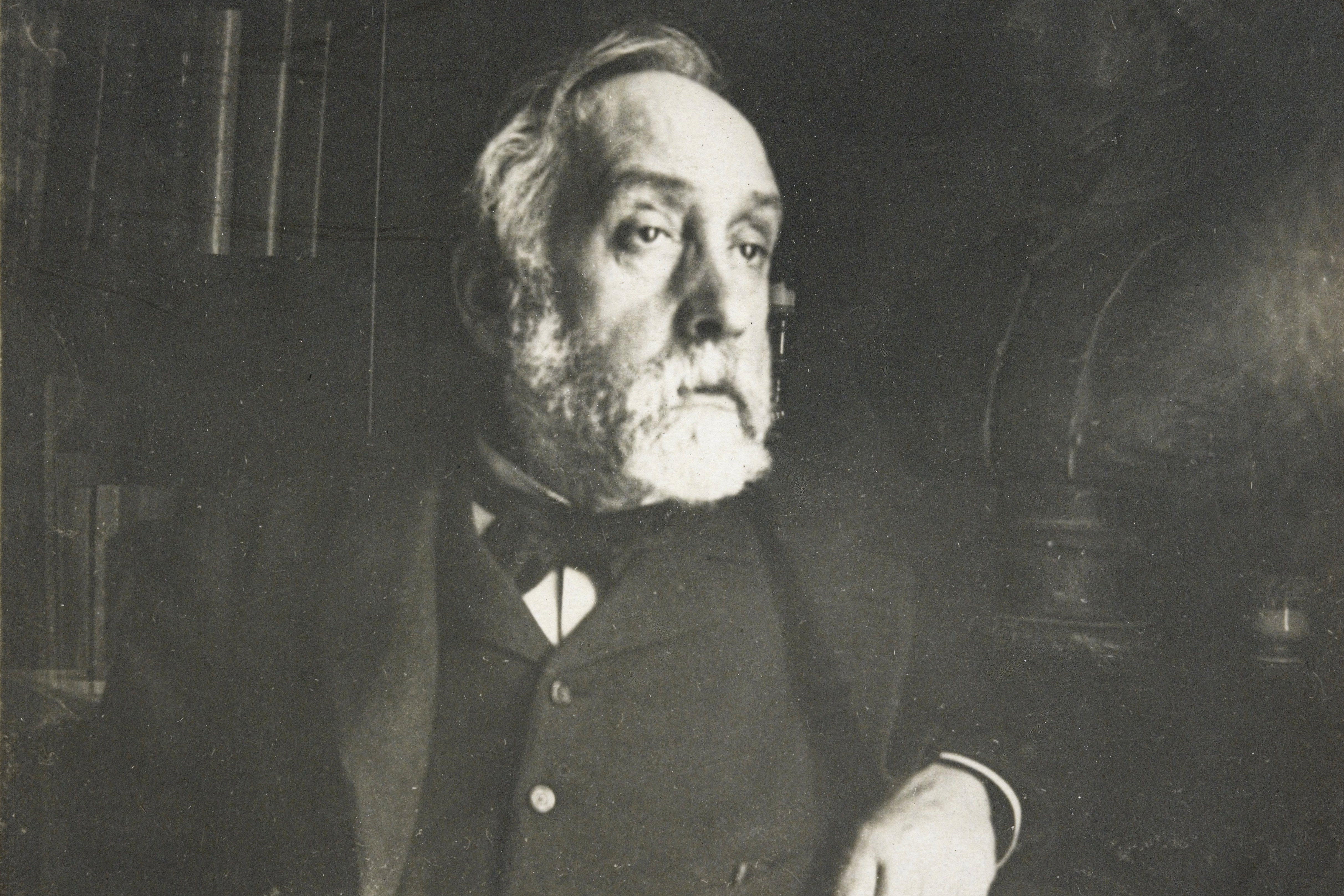
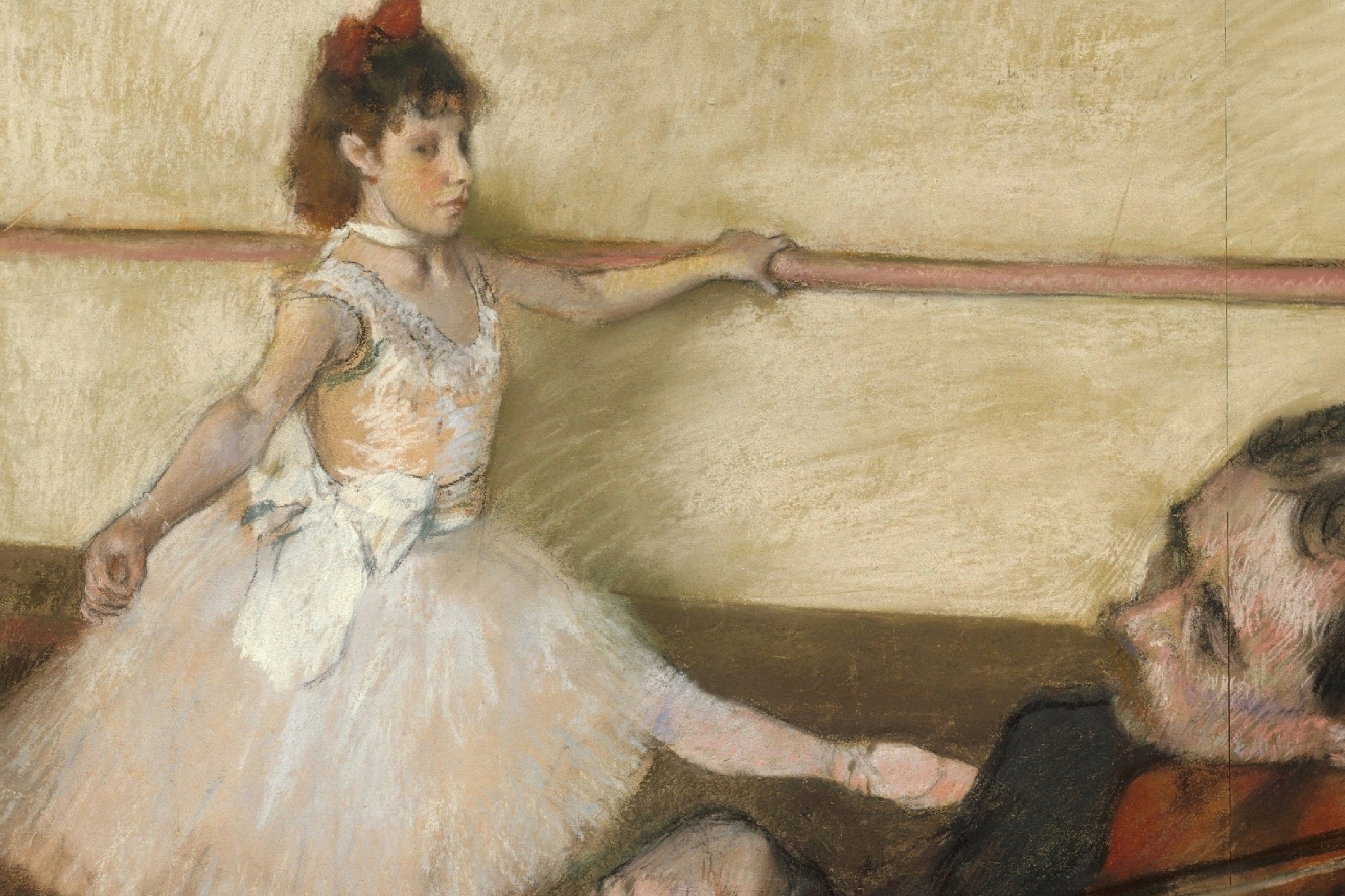
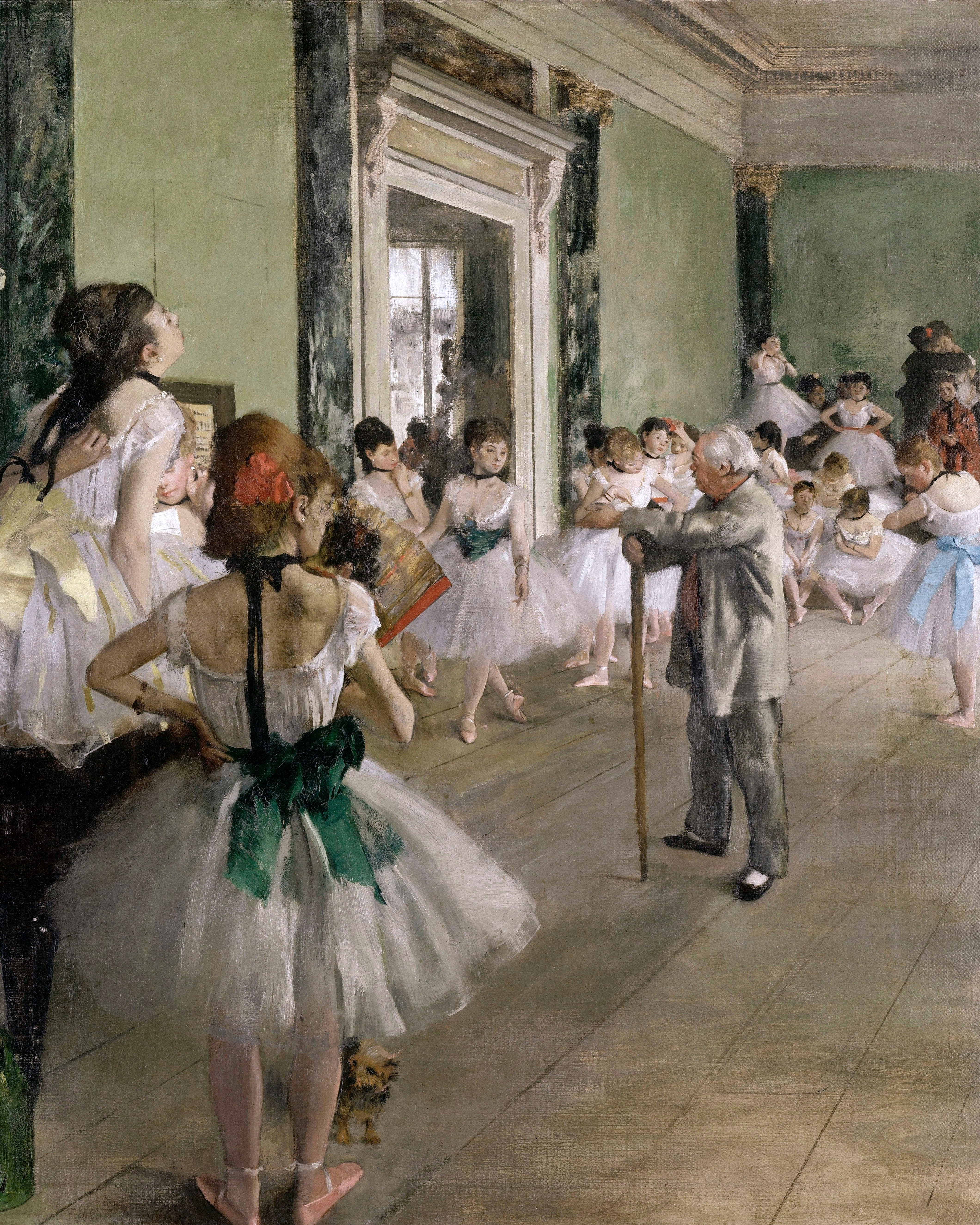
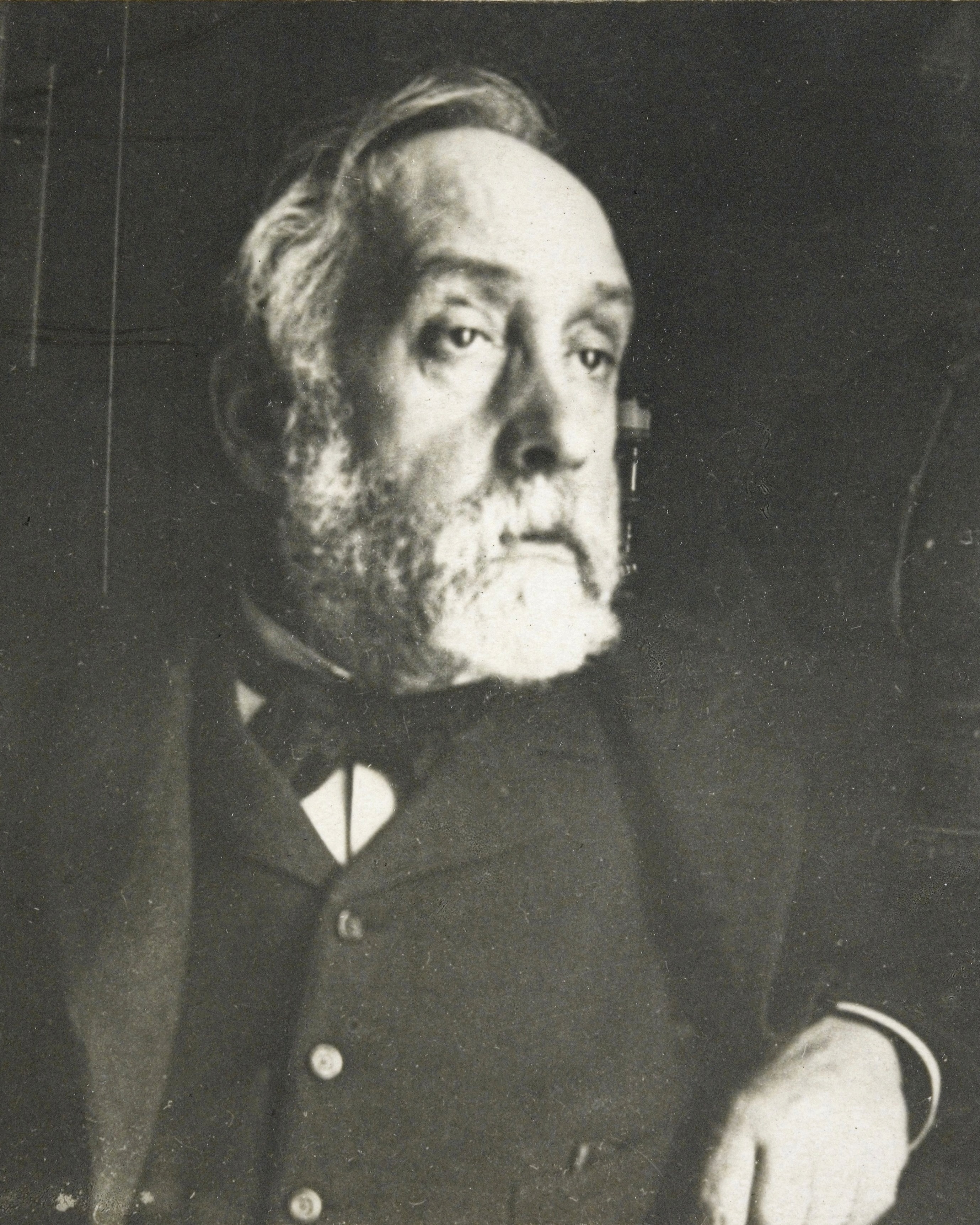
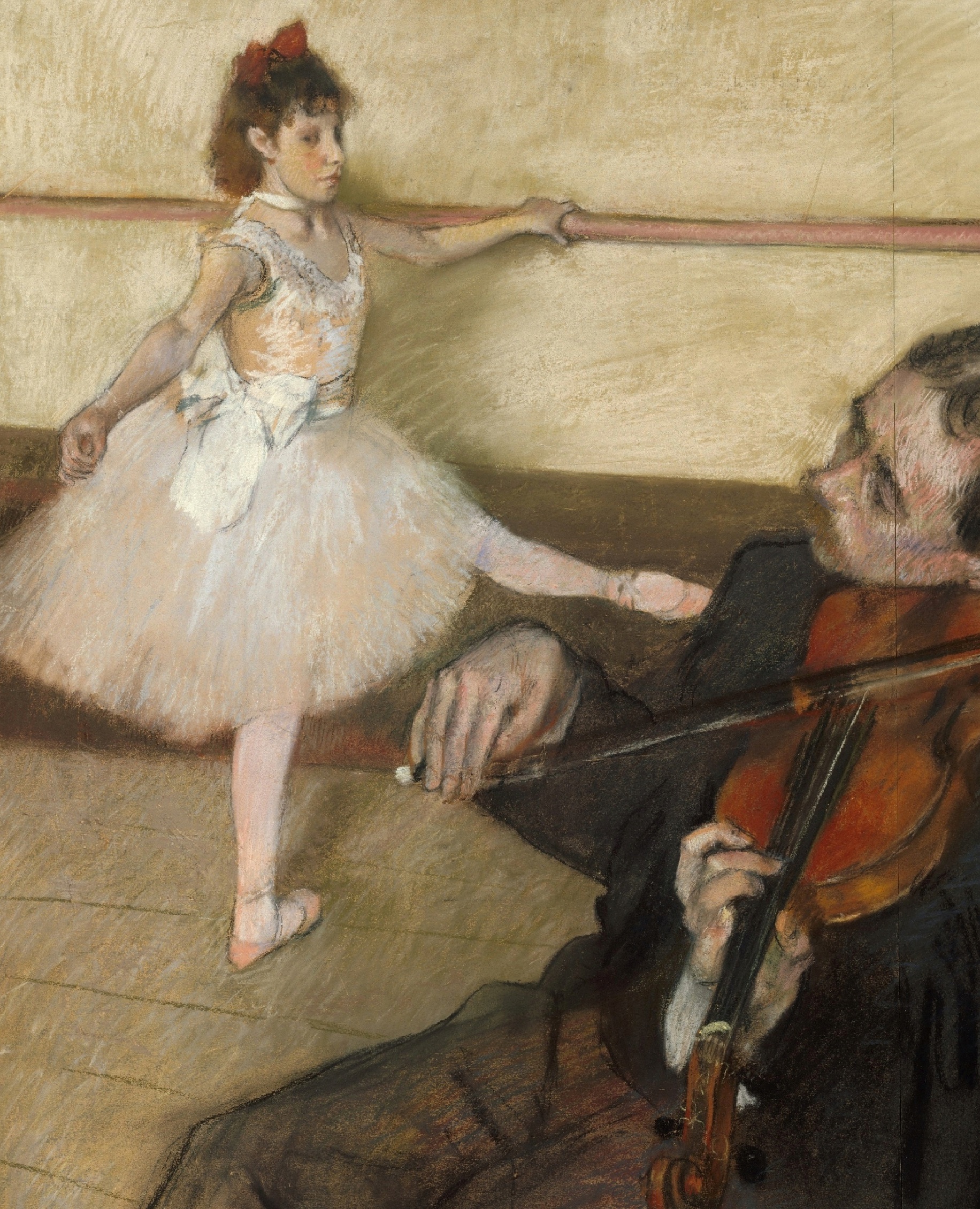
Edgar Degas captured the ballerinas at the height of their vulnerability. His drawings, pastels, and famous oil paintings reveal not only the lightness of movement but also the fatigue, tension, and discipline of daily ballet drill. Thanks to his work, we still have an authentic picture of the life of the “little rats” – a world full of beauty but also inequality and harsh backstage reality.
Degas was not a sentimental admirer – rather an observer. He spent time backstage, at rehearsals, and during breaks. He was fascinated by ordinary moments: ballerinas putting on pointe shoes, adjusting their tutus, or impatiently waiting for their turn. In his sketches and pastels we see not only elegance but also exhaustion, tension, and sometimes nervousness.
A special place belongs to the story of Marie van Goethem, the model for the famous sculpture Little Fourteen-Year-Old Dancer. She was an ordinary student of the ballet school whose life ended without fame – but thanks to Degas, she became an immortal icon. The statue shocked Paris at the time: it was realistic, unidealized, with a real tutu and a wig made of real hair. Critics wrote that it looked “too alive” and “too raw” – but that was exactly what revealed the truth about the life of young ballerinas.
Degas’s view today remains a unique testimony to both ballet and society of that era.
“Dancers are machines for dancing, but also for suffering. That is what interests me – their bodies and their endurance.”
— Edgar Degas