

The Scandal of the Paris Opera That Survived for Centuries
Léon Pillet – the Director Who Should Not Have Been Director
The 19th-century Paris Opera was not only an artistic institution but also a tool of power. Political pressures, romances, and intrigues often played out directly on stage. One of the greatest scandals was the affair surrounding director Léon Pillet and his mistress, the singer Rosine Stoltz. This story shows how ballet and opera were not only about art, but also about backstage games that today would fill the pages of the tabloids.
Léon Pillet /1803–1868/
Became director of the Paris Opera in 1840. He was neither an artist nor an experienced manager, but rather a journalist and a political appointee. His position was the result of backroom deals and government pressure. The artistic community reacted with unease—and it soon became clear why.
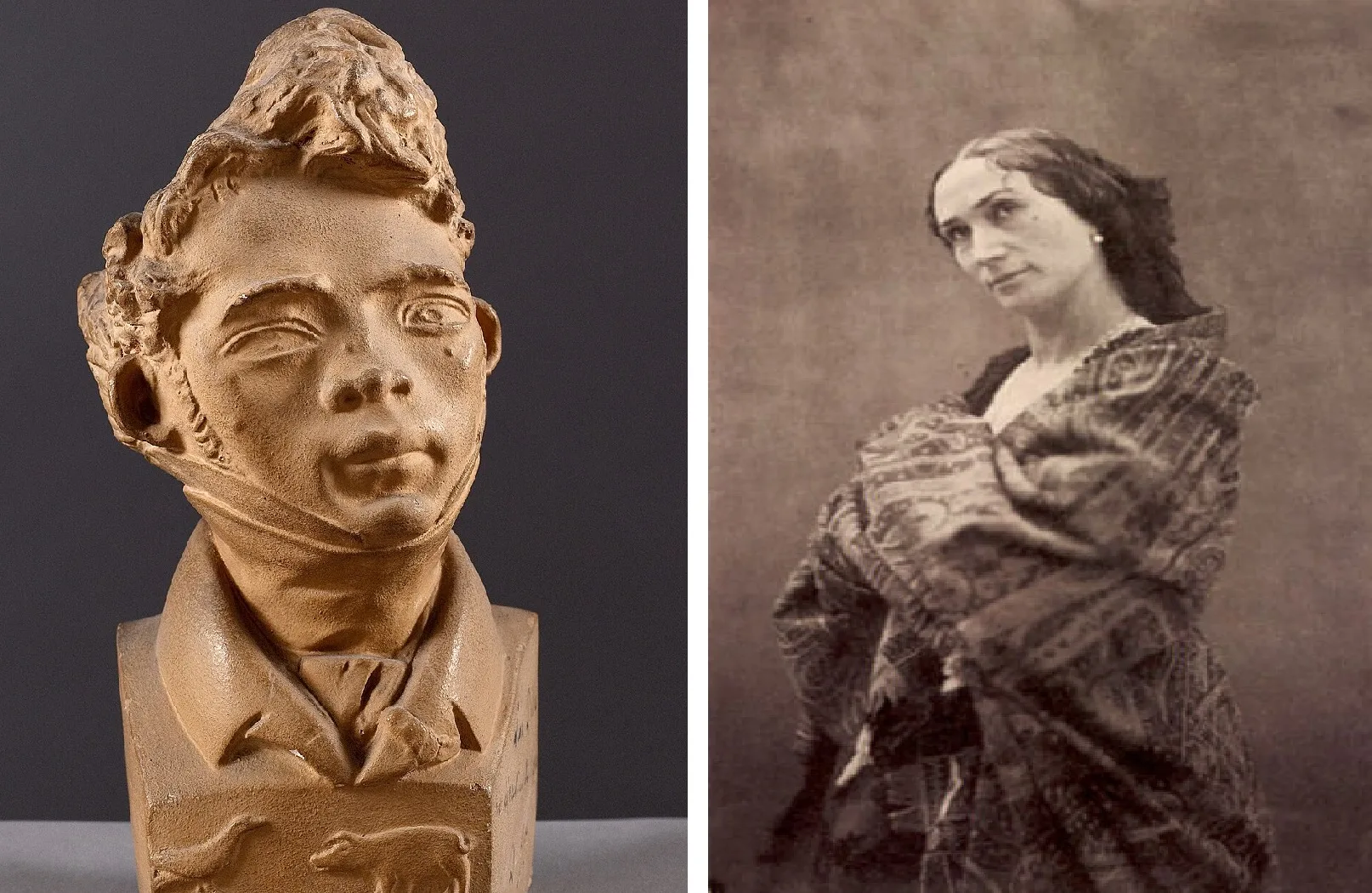
Rosine Stoltz /1815–1903/
She was a talented but controversial mezzo-soprano. When she became director Pillet’s mistress, she began to receive leading roles at the expense of other singers. Opera audiences and colleagues quickly noticed that Stoltz was enjoying privileges that matched neither her abilities nor the needs of the repertoire. This provoked a wave of discontent among artists and composers.
Pillet’s favoritism had far-reaching consequences. Prominent composers such as Giacomo Meyerbeer and Eugène Scribe refused to collaborate with the Paris Opera. Both ballet and opera went into decline, and the institution’s reputation was shaken. Critics accused the management of corruption, and audiences were stirred by rumors and open protests.
The French press of the 19th century was relentless. Satirical papers lampooned Pillet and Stoltz with caricatures and mocking articles. The Paris Opera, which was supposed to embody art and grandeur, became an arena of personal affairs. A love affair turned into a public scandal that Paris followed with both fascination and outrage. There was even talk of a child born to the two.
The End of Léon Pillet’s Rule
After seven years of scandals, financial troubles, and artistic losses, Pillet was forced to resign in 1847. His era remained a symbol of how a personal relationship can disrupt the functioning of an entire institution. Rosine Stoltz left the opera in the same year. She continued her career, but her name remained forever tied to this scandal.
The Pillet–Stoltz affair revealed that the world of Parisian ballet and opera was not only about beauty and art, but also about power, money, and passion. It also reminded us of the fragility of artistic institutions when their leadership is guided by personal interests rather than quality and talent.
Today, the affair of Léon Pillet and Rosine Stoltz is seen as a curious but important chapter in the history of ballet and opera. It shows that behind the glittering lights of the stage, there were always dark backstage stories. These tales, full of intrigue and emotion, give 19th-century ballet a special flavor that still fascinates today.