

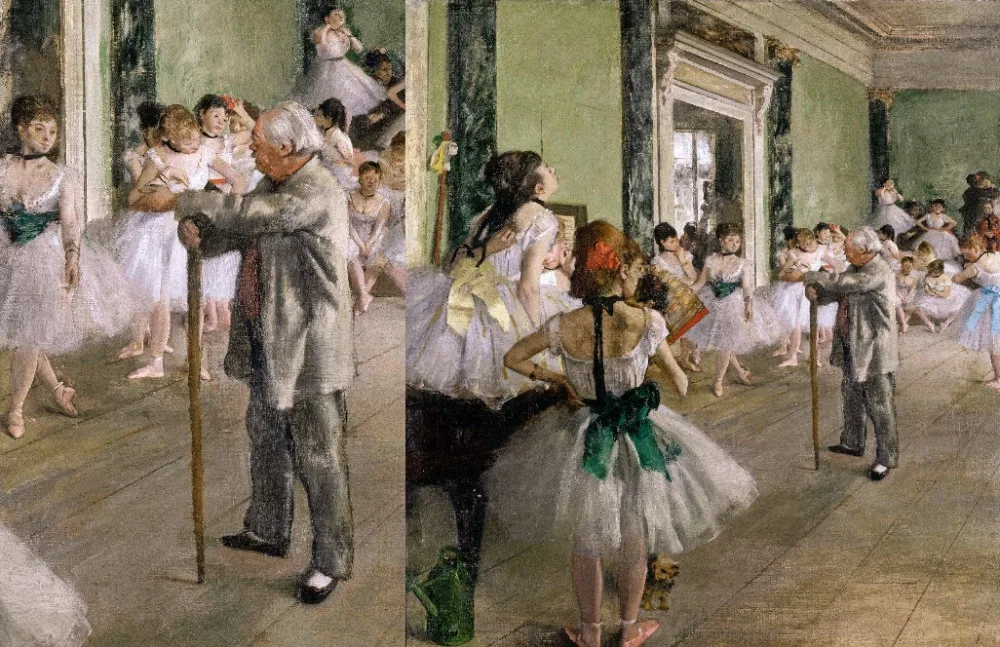
Jules-Joseph Perrot – the ballet master from Degas’s painting "The Dance Class"
Childhood and First Steps on Stage
Jules-Joseph Perrot was born on August 18, 1810, in Lyon, France. From an early age, he showed extraordinary talent for dance. At the age of nine, he began studying under the famous teacher Auguste Vestris, one of the greatest ballet masters of the era. Strict training and the traditions of the French school gave him the solid foundation on which his future career would grow.
Paris, London, and European Success
Perrot made his debut in 1830 as a principal dancer at the Paris Opera. His energetic expression, vivid mime, and sense of dramatic storytelling soon set him apart from other dancers. Between 1835 and 1841, he performed as a soloist and choreographer in London, Milan, and other European cities. During this period, he created some of his most significant works, which became the foundation of the Romantic ballet.
The most famous of these is Giselle (1841), still considered a jewel of the world repertoire. Together with Carlotta Grisi, his partner both on and off stage, he created a work that combined love, tragedy, and the supernatural. Another milestone was Pas de Quatre (1845), a performance that brought together the four greatest ballerinas of the time – Taglioni, Grisi, Cerrito, and Grahn – on a single stage. The event was an instant triumph and secured Perrot’s place in history.
St. Petersburg and the Shaping of the Russian School
In 1848, Perrot accepted the position of ballet master in St. Petersburg, where he worked for more than a decade. In Russia, he married his student Capitoline Samovska, with whom he had two children. His influence on Russian ballet was profound – he emphasized dramatic storytelling and technical precision, which became the cornerstones of a tradition later developed by Marius Petipa and others. In this way, Perrot helped prepare the ground for the “golden age” of Russian ballet.
Return to Paris and Degas’s Painting
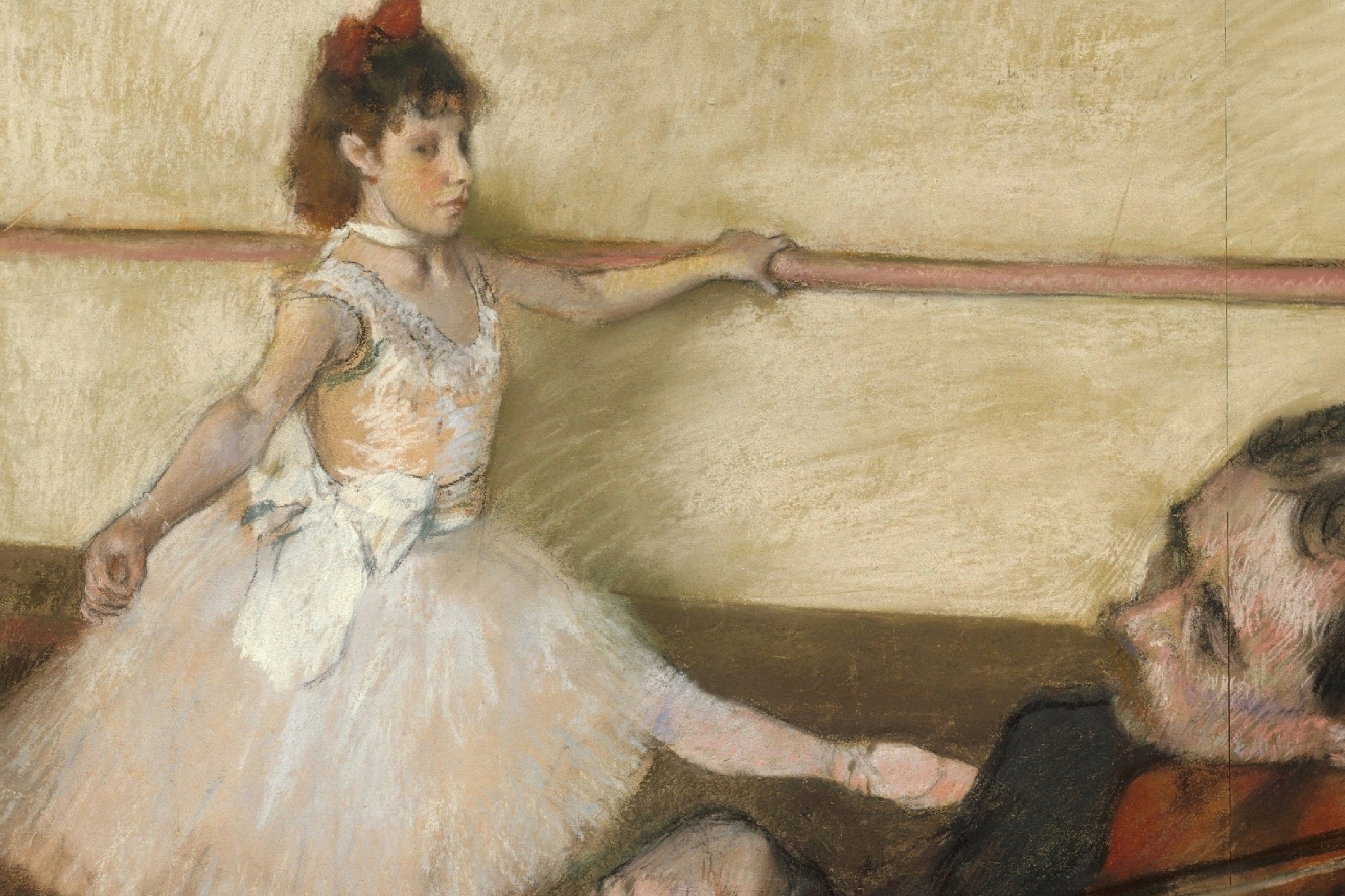
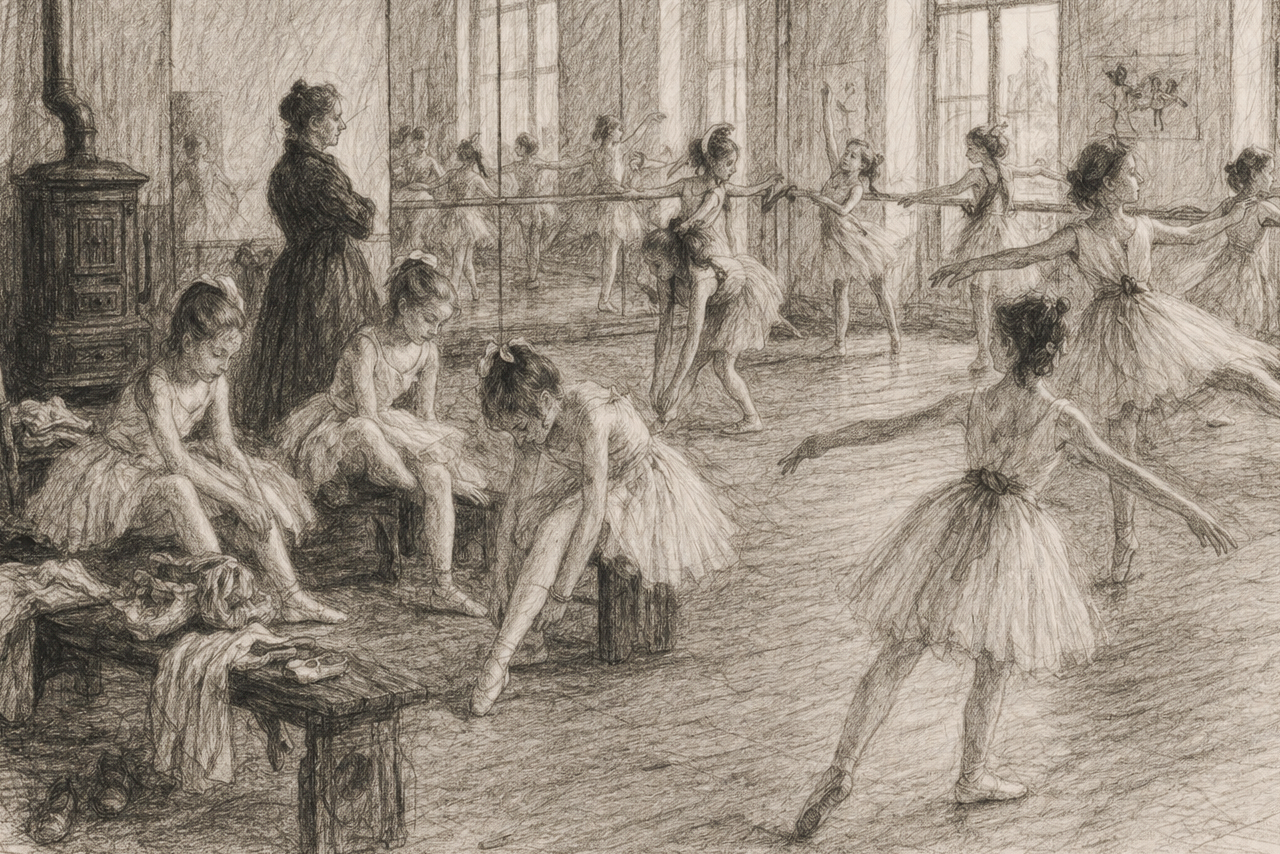
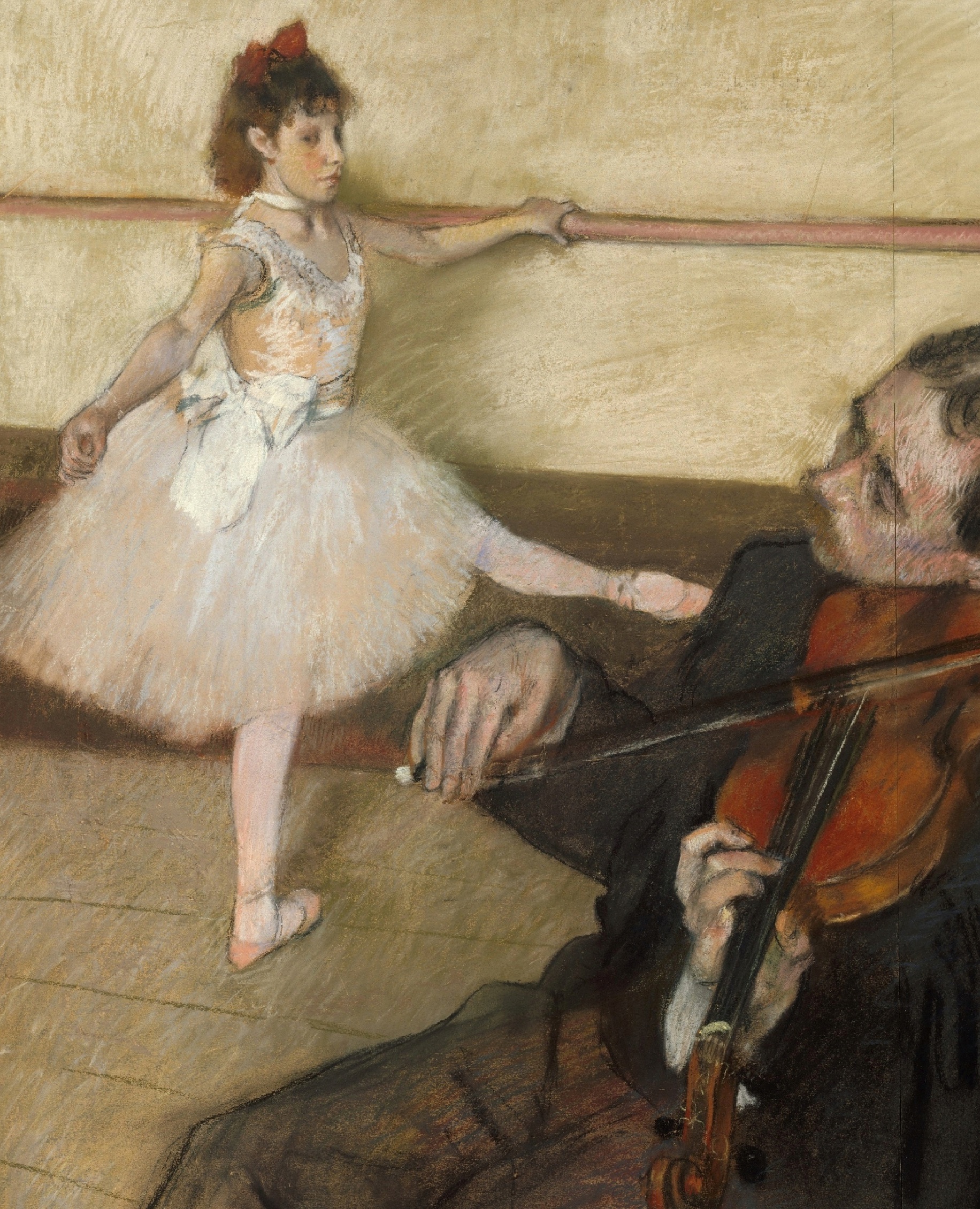
After 1861, Perrot returned to Paris and became a teacher at the newly built Opéra Garnier. There, he caught the attention of Edgar Degas, who was fascinated by the backstage life of dancers. In 1874, Degas immortalized him in the painting La Classe de danse (The Dance Class). The canvas depicts the aging yet still energetic master guiding young ballerinas – a symbol of tradition, discipline, and the everyday hard work behind the glamour of the stage. Degas was not glorifying performance but rather showing the labor and personality of the man who stood behind the ballet world.
Final Years and Legacy
Jules-Joseph Perrot died on August 29, 1892, in Paramé (now part of Saint-Malo), at the age of 82. He left behind a remarkable legacy – not only as a dancer and choreographer but also as a teacher who shaped generations of artists. His choreographies Giselle, La Esmeralda, and Ondine remain an essential part of the repertoire of leading ballet companies around the world.
Conclusion
Perrot’s life story is a fascinating testament to the era of Romantic ballet. He was an artist who combined dramatic strength with technical mastery, and a man remembered not only through his works but also through Degas’s painting. For this reason, he is recognized today as a creator of legendary ballets and a key figure in the origins of the modern ballet tradition.