

Edgar Degas – Life and Art
Degas and Family Background
Edgar Degas was born on July 19, 1834, in Paris as the eldest of five children. His father, Auguste de Gas, came from Naples and worked as a banker, while his mother, Célestine Musson, was of French origin but born in New Orleans. The family lived in the well-off environment of the Parisian upper middle class, and young Edgar had access to both culture and education.
He had two sisters – Marguerite, who married Baron Morisse, and Thérèse, who after her marriage in Italy fell into financial difficulties. He also had two brothers – Achille Degas, who became a soldier but whose career was marred by scandals, and René Degas, who managed the family plantations in New Orleans. René fell into financial troubles, which later affected Edgar as well, forcing him to sacrifice part of his own fortune to cover the family’s debts.
Although the family appeared secure from the outside, after his father’s death it was revealed that he had left behind large debts. Degas was forced to part with part of his estate to repay them, a fact that deeply influenced his life. Already in childhood he was reserved, disciplined, and fascinated by drawing – he liked to copy the old masters in the Louvre and spent hours studying paintings.
Studies and Beginnings
Degas originally studied law at the Sorbonne, but soon realized that his true passion lay in painting. In 1855 he therefore enrolled at the École des Beaux-Arts, where he studied under Louis Lamothe, a pupil of Ingres, whose emphasis on line and discipline had a profound impact on him. He spent long hours in the Louvre copying the works of the old masters – from Raphael to Delacroix – honing his accuracy and sense of composition.
At the school he moved among other young talents, including Henri Fantin-Latour, Gustave Moreau, and Puvis de Chavannes. He soon also met Édouard Manet, who became his close colleague. His early work was still largely historical and portrait-based, but even then it was clear that he focused on the psychology of figures and the ability to capture their inner tension – a quality he would later fully develop in his famous ballet works.

Artistic Career
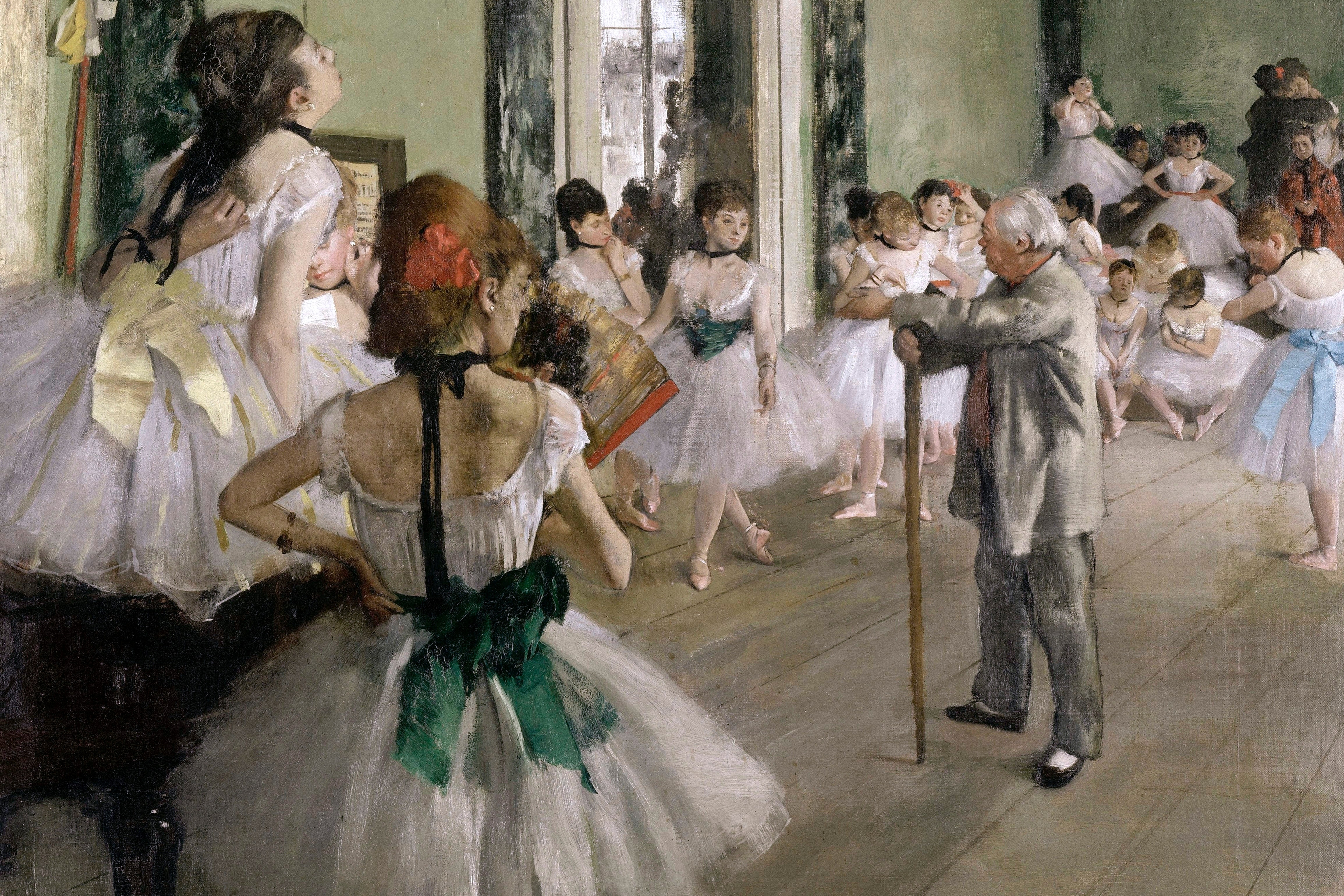
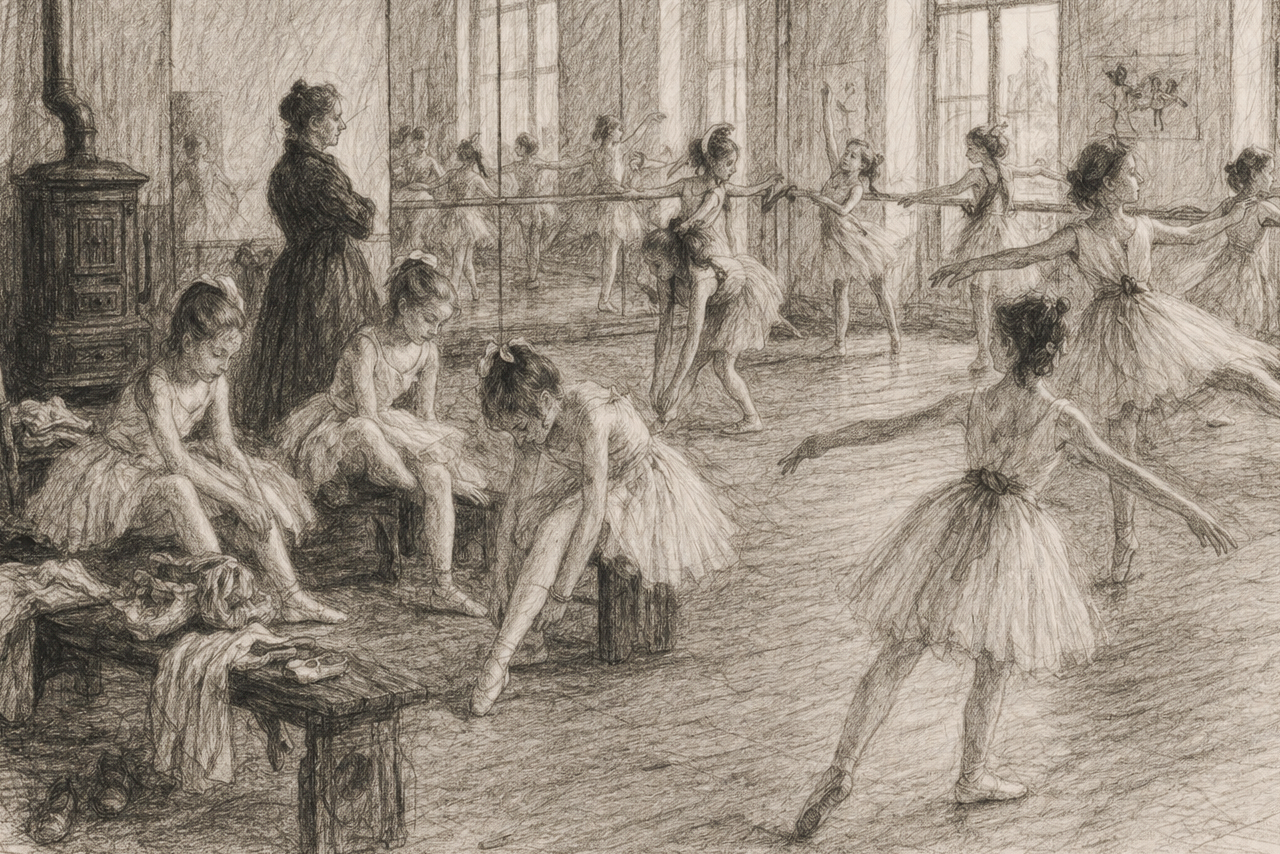
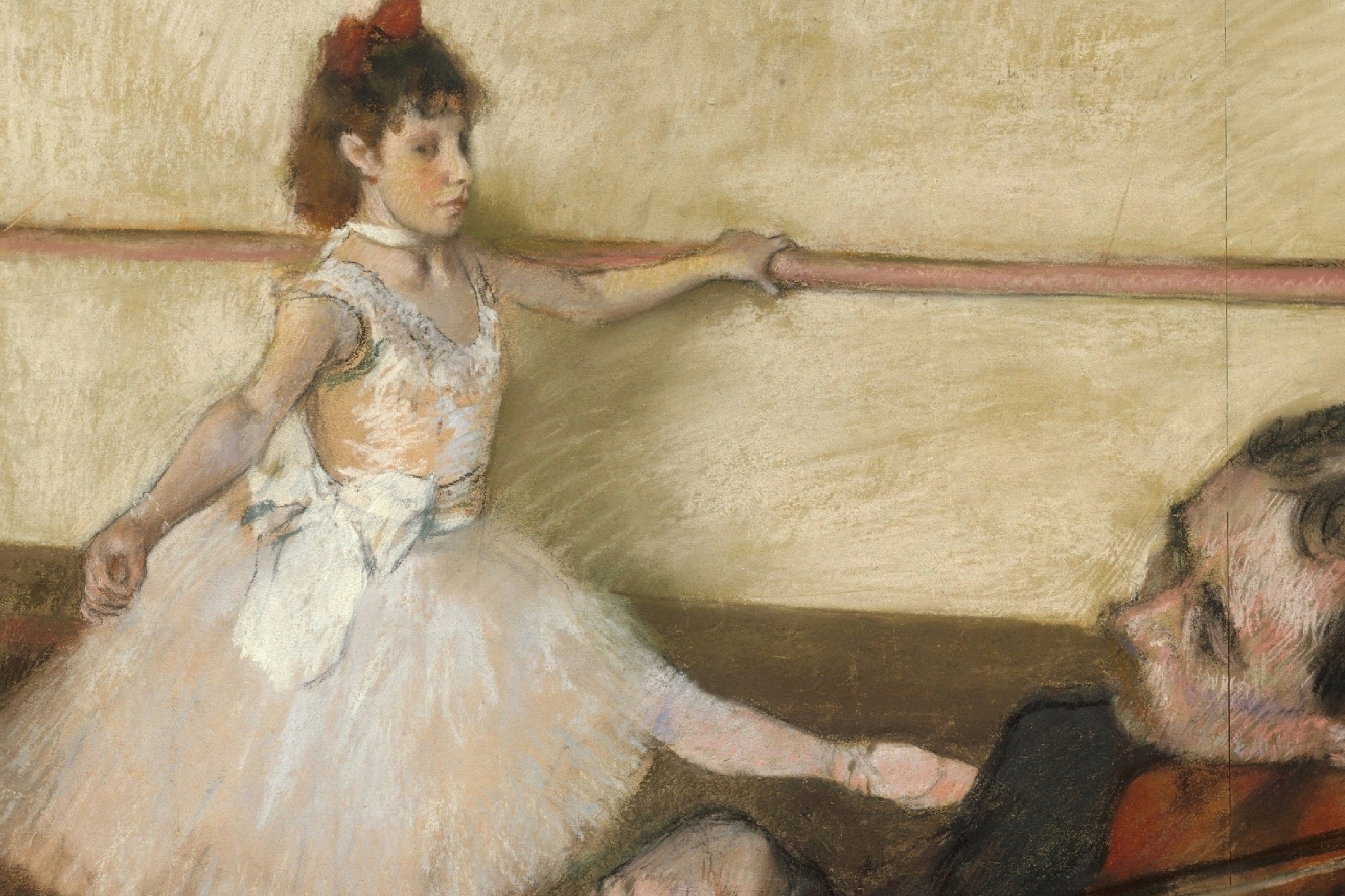
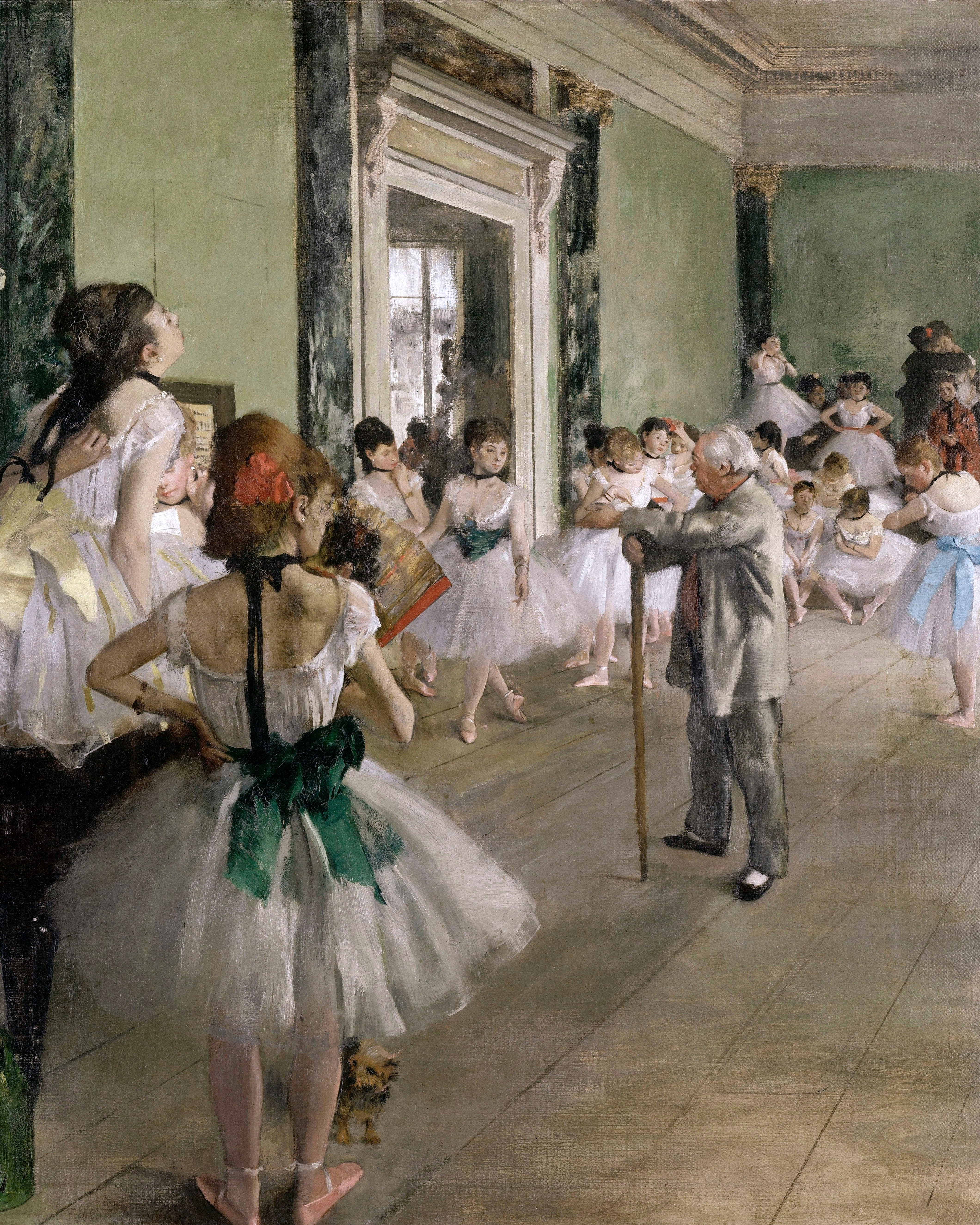
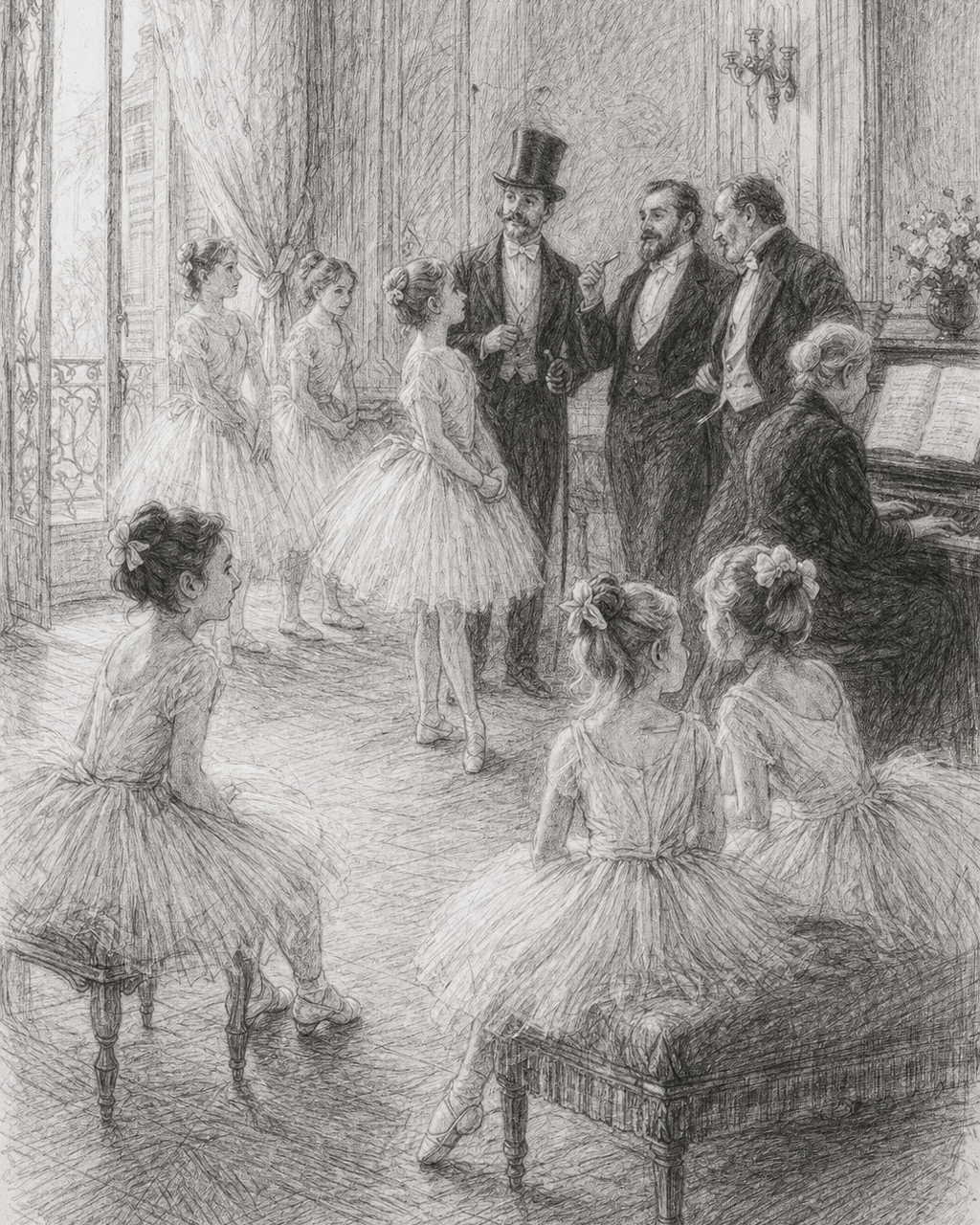
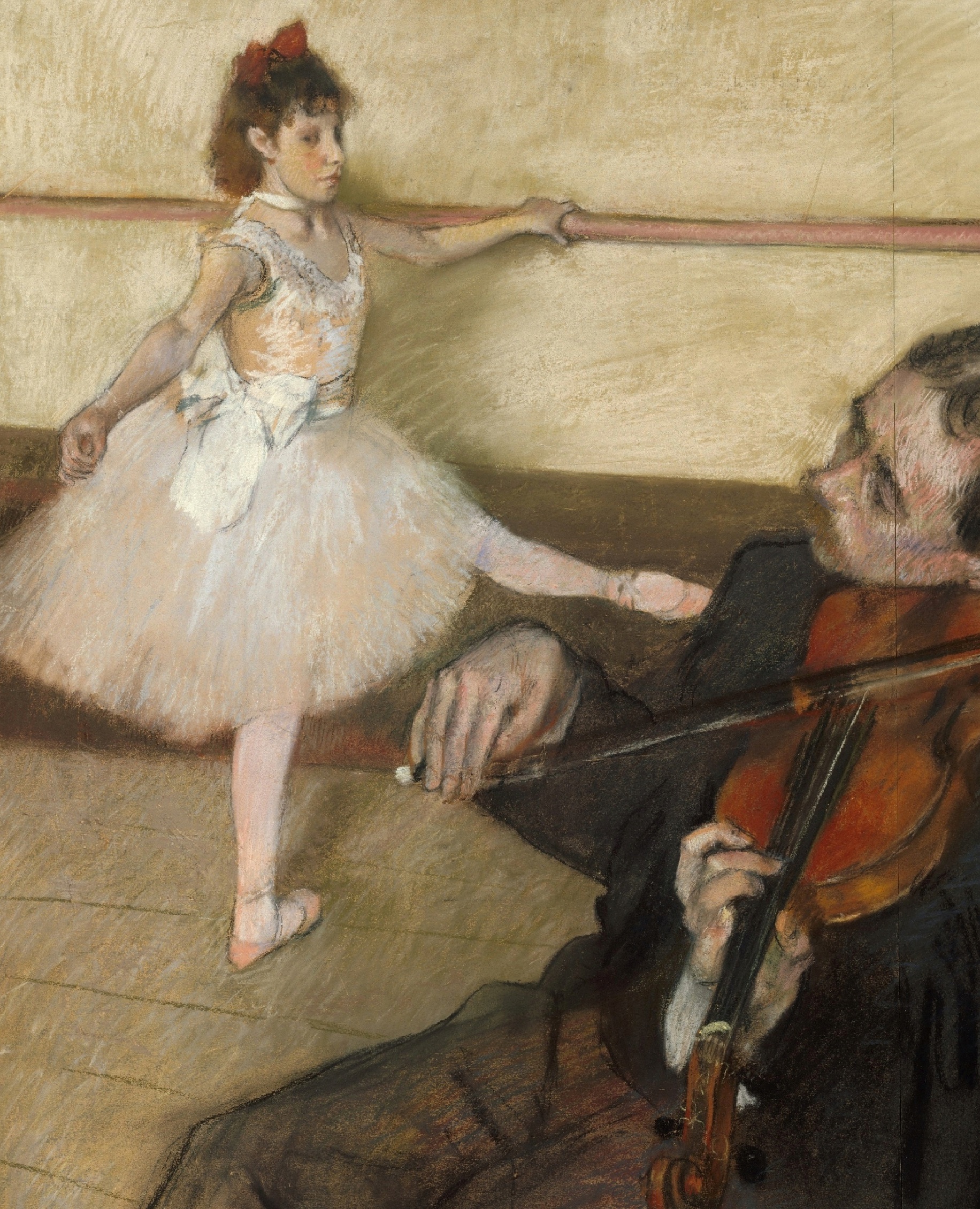
At the beginning, Degas devoted himself to historical paintings, but gradually turned to modern subjects. He was fascinated by Parisian society – horse races, laundries, cafés, theaters, and above all ballerinas. His aim was not to idealize but to depict the truth – backstage moments, small gestures, fatigue, nervousness, and tension.
Although he took part in several Impressionist exhibitions, he always emphasized that he was not an Impressionist. He criticized their “painting in the open air” and focused more on working in the studio. Nevertheless, he became their close colleague, and his works had a major influence on the movement.
Degas’s Work and Artistic Style
His pastels are among the most sought-after parts of his work. At the Paris exhibitions, his pieces initially provoked mixed reactions, but over time they gained recognition among collectors. His ballet paintings, which make up the largest part of his oeuvre, became highly valued even during his lifetime. A significant place in his work is also held by the sculpture Little Fourteen-Year-Old Dancer, first exhibited in 1881. Created in wax and later cast in bronze, with a real tulle skirt and ribbon in her hair, the work shocked the public with its realism at the time, but today it is considered an icon of modern sculpture.
Degas and Photography
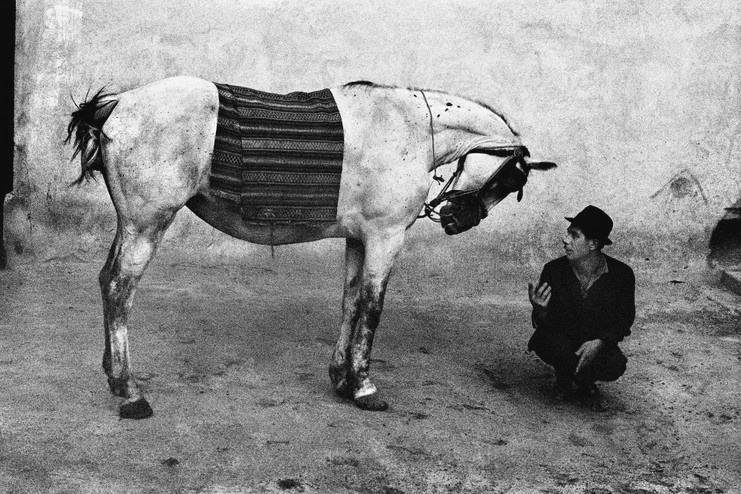
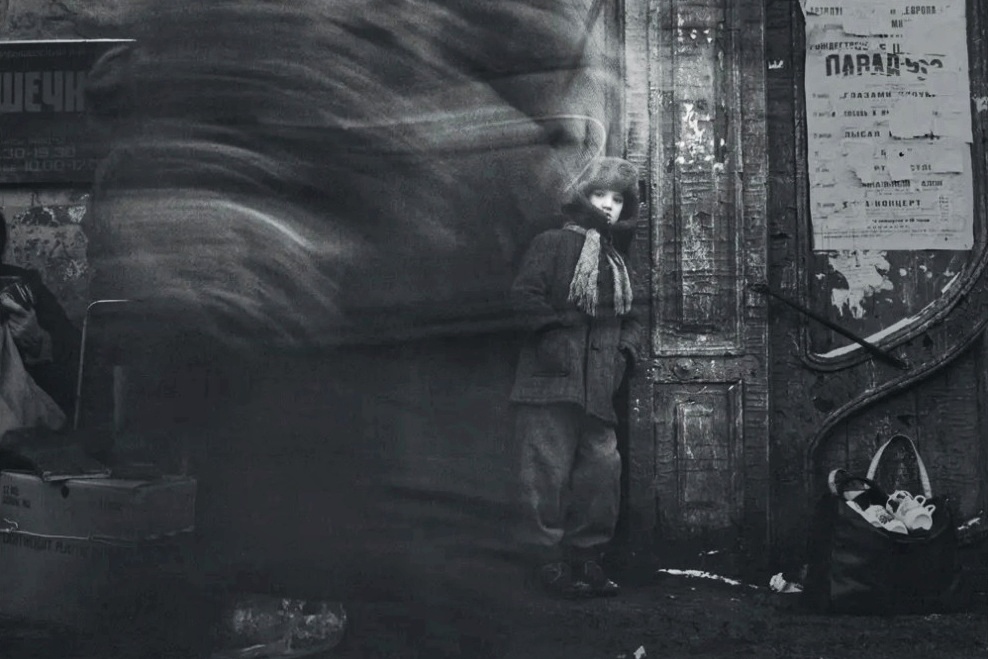
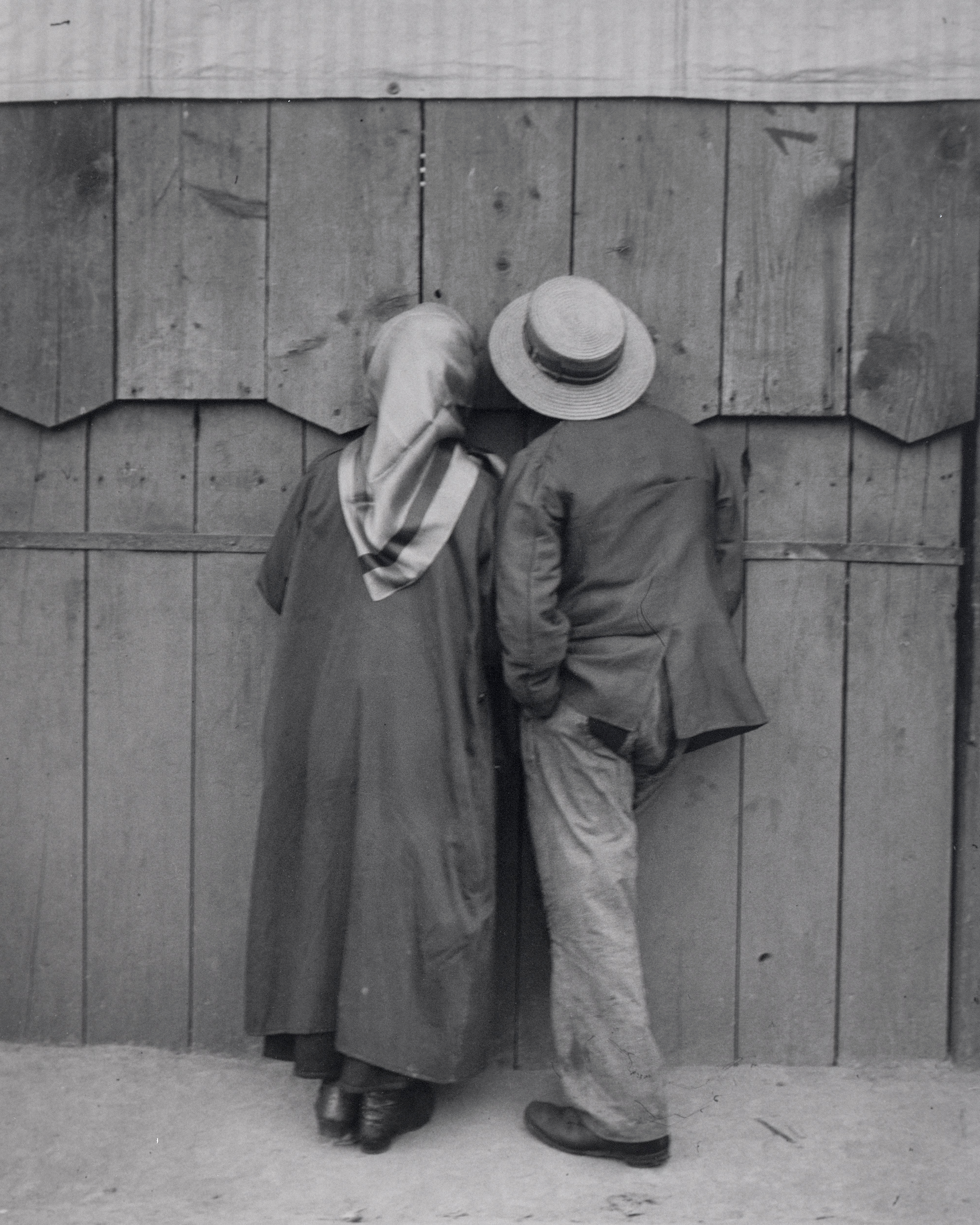
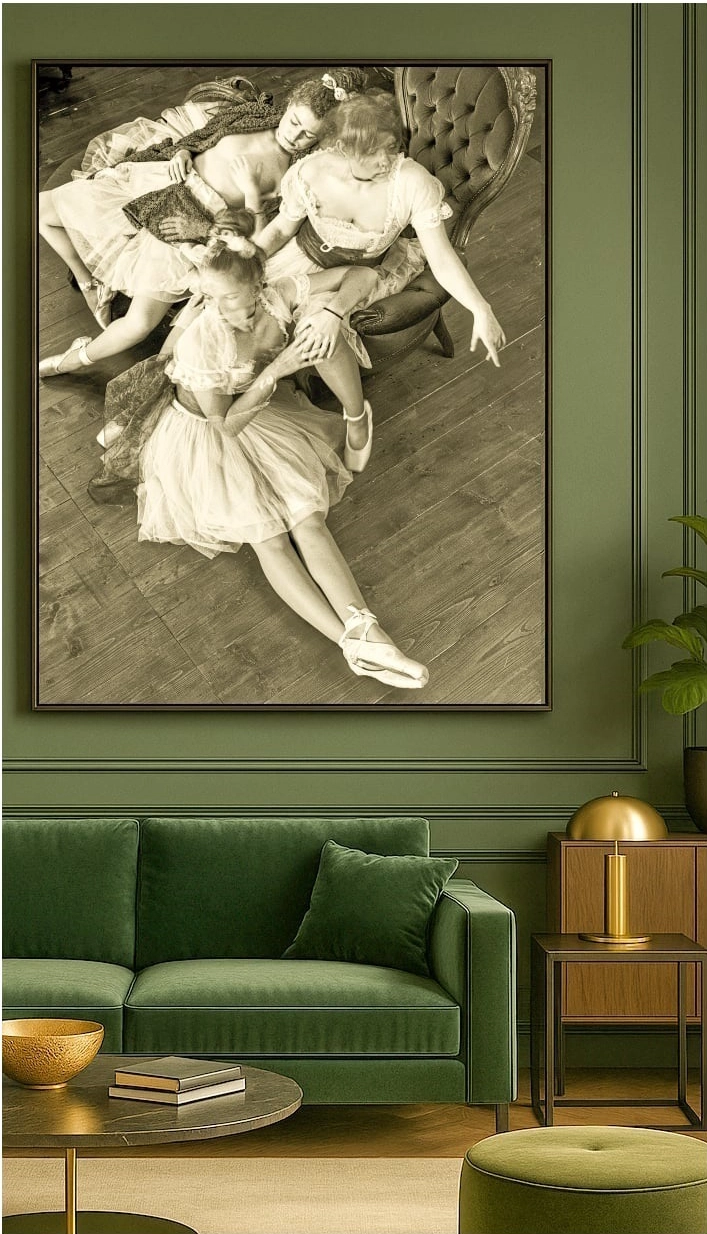
Degas had a special relationship with photography. He was fascinated by the possibility of capturing movement and unusual compositions that inspired his own work. He did not consider photography a full-fledged art, but used it as a practical tool. He relied on photographs of his friends as well as images of horses or dancers to study the body in motion. Some of his paintings clearly bear traces of photographic compositions – cropped figures, unexpected angles, or moments caught “halfway.”
Personal Life and Character
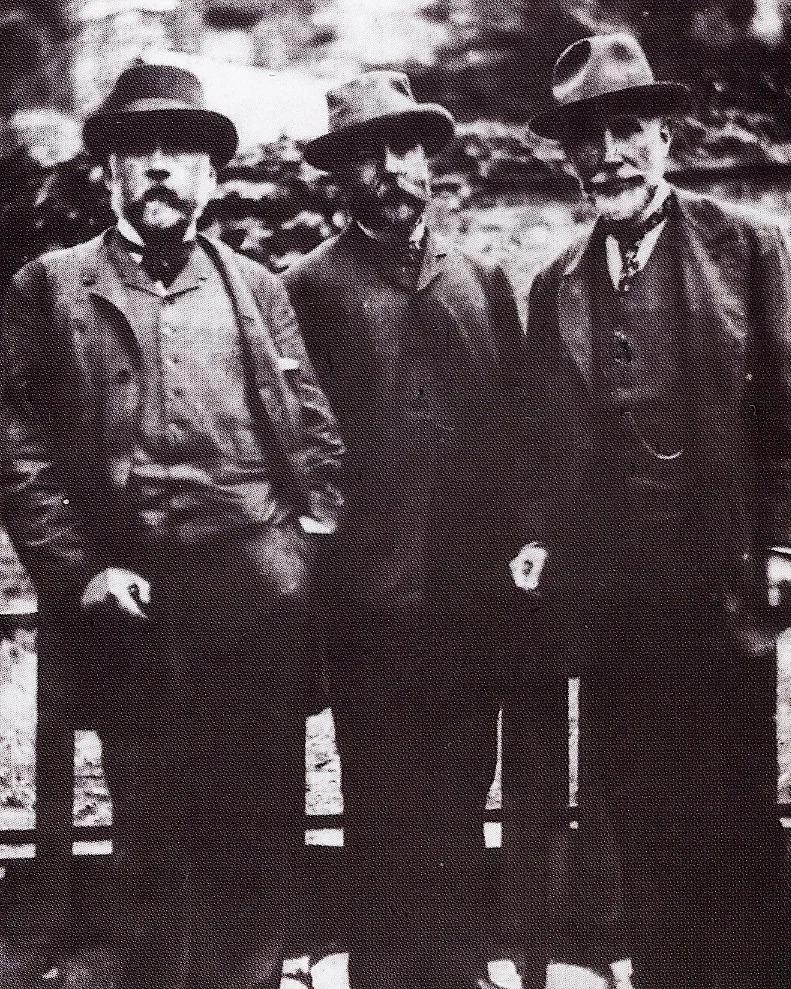
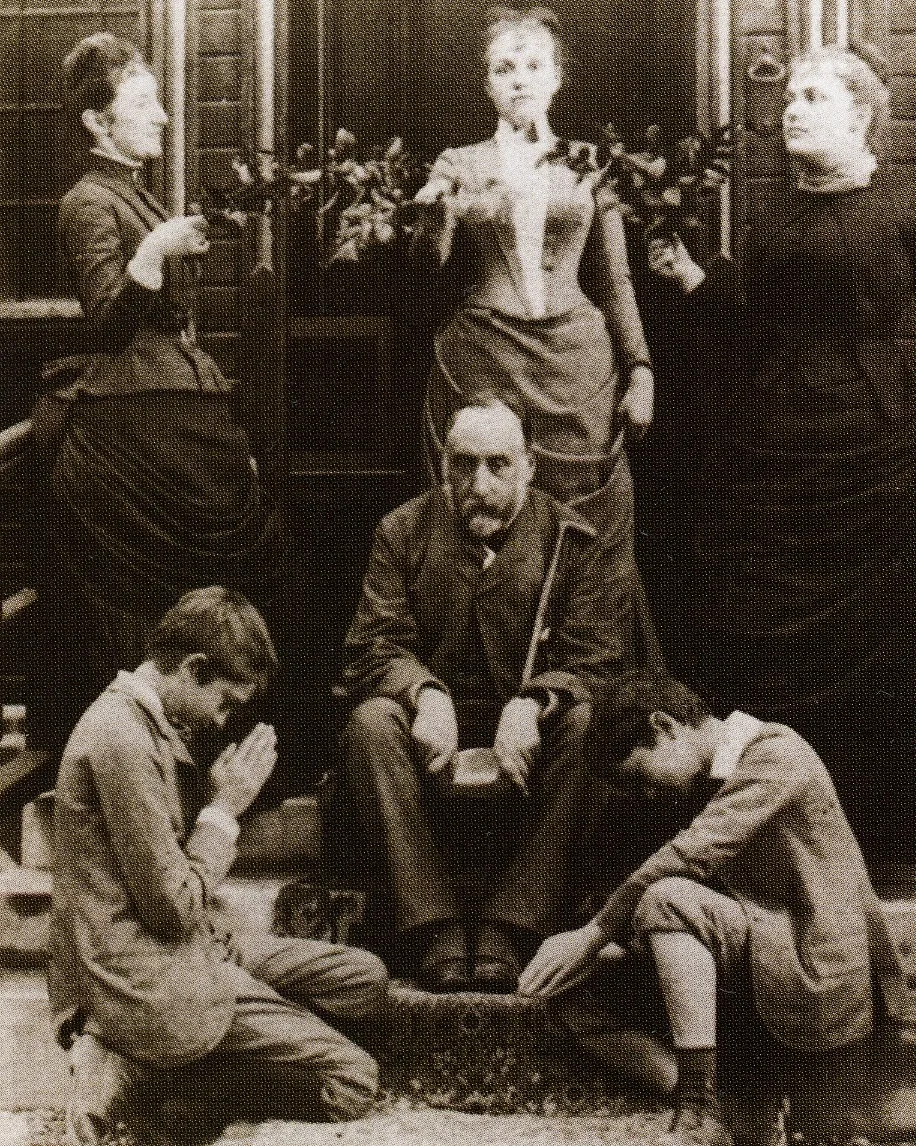
Degas never married and had no children. He lived a withdrawn life, surrounded by art, friends, and disputes. He was often described as a sarcastic, sometimes even solitary man.

Health, Later Years, and Social Relations
From the 1870s, Degas gradually began to lose his eyesight. In addition, he suffered from respiratory and intestinal problems, had to follow a strict diet, and underwent therapeutic treatments during the summer. To keep his mind occupied, he took up writing sonnets – a total of nine were published, formally flawless though rather classical in style.
While working he often sang, and he would also sing at the end of evenings with friends, which he concluded with Neapolitan songs. His friends used to say that the blood of his Neapolitan grandmother showed in him. At the same time, with age his temperament became increasingly irritable. He was also known for his eccentric demands.
On one occasion, for example, he replied to his hostess:
“Listen to me carefully, my dinner must not be prepared with butter, no flowers on the table, and precisely at half past seven. I know you will lock away your cat, but let no one bring a dog and let no perfumed people come. These scents are dreadful, and yet there are such pleasant smells, like the smell of toast. And on top of that, that damned stench. Ah, only dim light, my eyes, my poor eyes.”
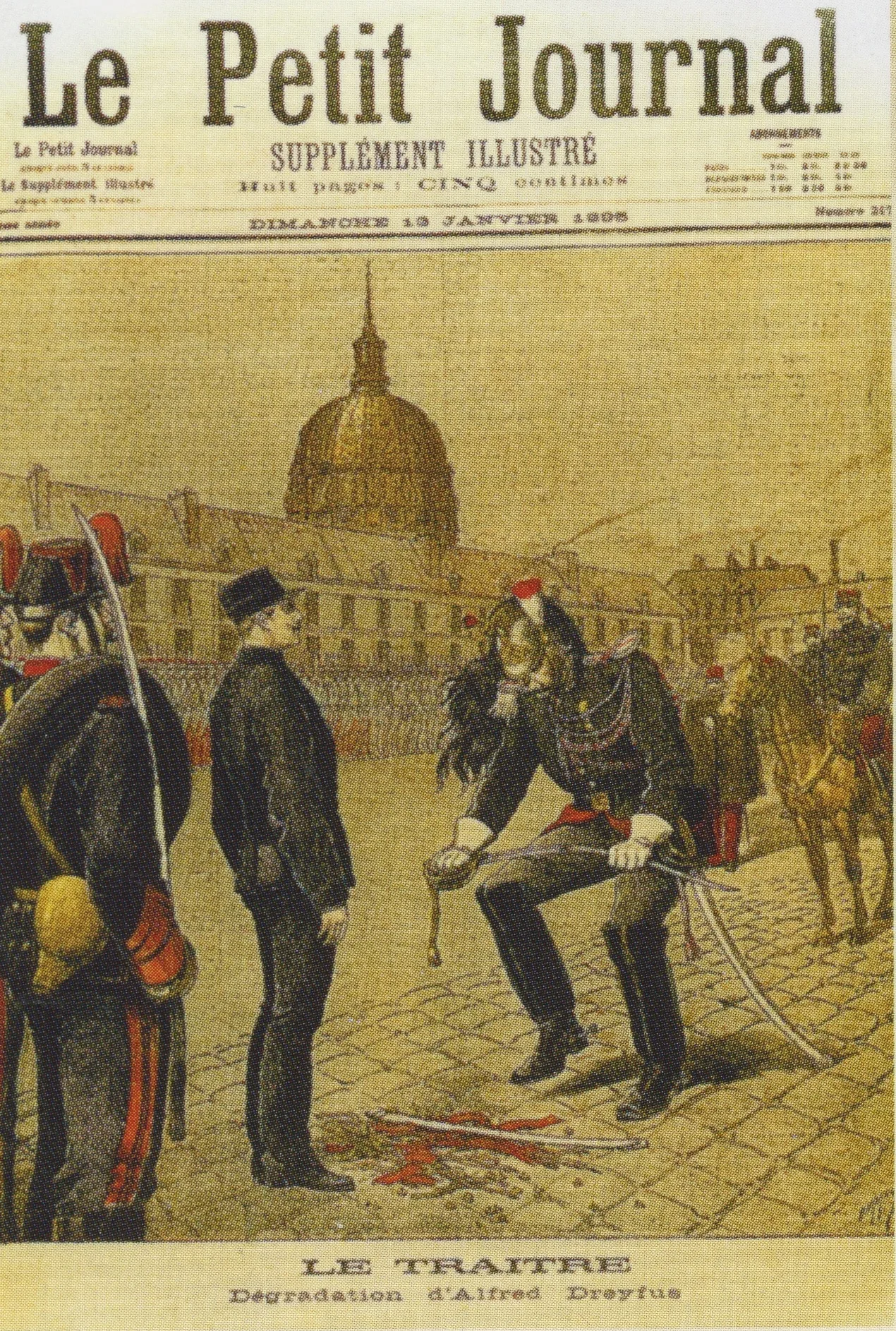
A large part of his social life ended with the Dreyfus Affair (1895). Degas took a strong stand against Dreyfus, and his stance manifested itself in open antisemitism. He broke off friendships with the Halévy, Straus, and Rothschild families, as well as with his close friend Pissarro. He even criticized Protestants, whom he accused of alliance with the Jews. This position remained a controversial aspect of his character.
End of Life
In his final years Degas was almost blind and lived in great seclusion. Painting had become increasingly difficult for him, so he turned to sculpture and modeling, which he managed more by touch than by sight. He often complained bitterly about his appearance and sarcastically repeated: “I look like a dog!!” Yet he kept in contact with a few close friends and, despite illness and failing eyesight, continued to follow developments on the artistic scene.
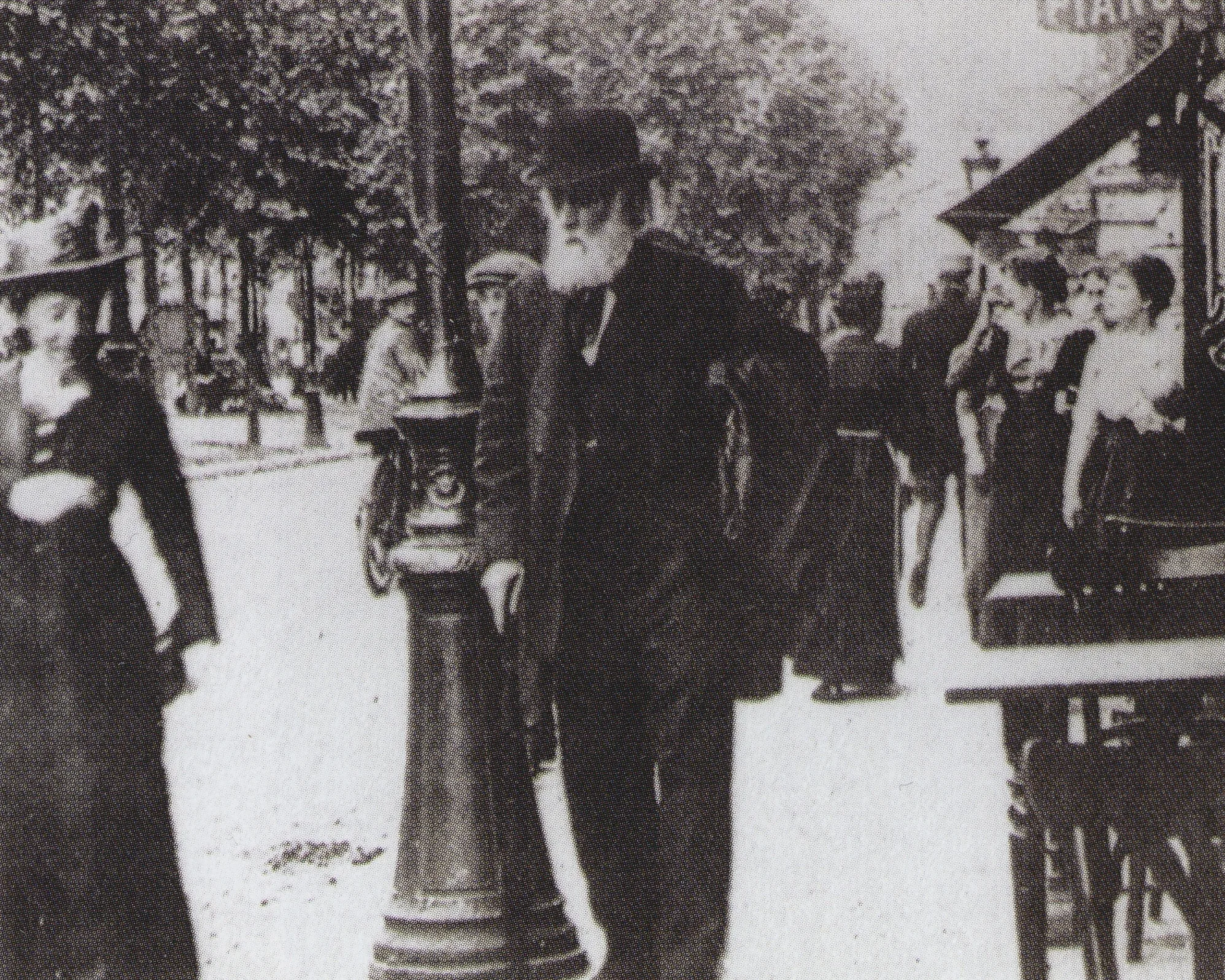
His last years were marked not only by physical decline but also by a measure of recognition – he was regarded as an authority, even though his temperament remained irritable and often stubborn. Interestingly, although he was known for his solitary nature, residents of his Paris neighborhood often saw him taking long daily walks through the city streets – moving slowly and uncertainly, yet always elegantly dressed.
Edgar Degas died in the midst of the Great War, on September 27, 1917, at the age of 83, in Paris. His funeral was held without great pomp, but in the presence of many important figures of French cultural life.
Quotes about Degas
“Degas is the greatest artist I know.” – Pierre-Auguste Renoir
“He was more a philosopher than a painter.” – Paul Valéry
“He was never an Impressionist, and yet he was the most innovative of us.” – Camille Pissarro
“He was strict with everyone, but most of all with himself.” – Henri Matisse
“Degas painted dance as if he heard music the rest of us could not hear.” – Stéphane Mallarmé
“Ballet without Degas would be like Paris without the Seine.” – Mary Cassatt
“He hated compromises – in art and in life.” – Émile Zola
“He was a misanthrope, and yet his paintings breathe humanity.” – Jean-Louis Forain
“Degas was able to find beauty in the moment when no one else was looking for it.” – Edmond de Goncourt
“His ballerinas are more than dancers – they are sculptures of movement and light.” – Paul Gauguin
Degas on his colleagues and on art
Degas was known for his fiery temperament, stubbornness, and biting tongue. He spoke about his friends and rivals without restraint – often with venom, yet with a sharpness that revealed the truth.
On Édouard Manet:
“Manet has talent, but he cannot control it.”
When Manet cut off part of a painting Degas had given him as a gift:
“That is the last painting you will ever get from me!”
On Claude Monet and painting outdoors:
“Painting in the open air? How can one work seriously in such conditions?”
On Monet’s paintings:
“Monet is only an eye – but what an eye!”
On Auguste Renoir:
“Renoir? He paints women who look as if they were made of sugar flesh.”
On Camille Pissarro (after the Dreyfus Affair):
“Pissarro is a good painter, but a bad Frenchman.”
On Cézanne:
“Cézanne? He is like a madman who suddenly says something brilliant.”
On Mary Cassatt:
“She is as stubborn as I am, that is why we understand each other.”
On Ingres, his master and model:
“Ingres was right: we must draw line, line, and more line – everything else will come on its own.”
On himself:
“I was strict with everyone, but most of all with myself.”
On Delacroix:
“Delacroix is a storm of colors – but I want order.”
On Gustave Courbet:
“Courbet? Too much flesh, too little spirit.”
On his fellow Impressionists:
“They paint light, I draw line.”
On artists boasting of themselves:
“Whoever speaks of his genius has none.”
On the future of painting:
“Painting will survive only if it returns to discipline.”
On sculpture:
“Sculpture is drawing from all sides.”
On his ballerinas:
“Dance is not elegance, it is sweat and toil – and that is what I paint.”
On women in art:
“A woman is for the painter a well of movements, never exhausted.”
On music and painting:
“If I were not a painter, I would have been a musician – music is the drawing of sound.”
On painters in general:
“Art is not a matter of inspiration, but of hard work. Whoever speaks of inspiration is an amateur.”
Edgar Degas’s Letter About the Ballerina Valérie Romy – An Unknown Story from 1886
Although Degas earned a reputation as a man with sharp opinions and a biting tongue, he was not only an unpleasant recluse. He could also be an attentive and compassionate friend. A testament to this is his letter from Paris in 1886 addressed to Ludovic Halévy, in which he pleads on behalf of the ill model Valérie Romy:
“My dear friend, Stevens and I are deeply worried about an unfortunate young woman who often posed for us.She is dying of consumption and is already in the final stage. . One could speak endlessly of the kindness and honor of poor Valérie Romy. She is dying as a victim of her home, her mother and sisters, who treated her as if she were Cinderella. This Cinderella does not give up the young prince and wishes to die in some sanatorium. Stevens told me that there is a sanatorium for consumptives founded by your friends the Rothschilds. Could you possibly get her admitted there? Let me know.
Warm regards to all, sincerely yours, Degas.”
Saturday, September 1886
This letter shows Degas in a different role – not only as the unyielding observer of ballerinas and backstage life, but also as a man capable of empathy and willing to help those who lived on the margins of society.
The letter also reveals Degas in another light – not only as the uncompromising observer of ballerinas and as a man who later gained a reputation as an unpleasant misanthrope and outspoken anti-Semite, but also as someone capable of empathy and of helping those on the fringes of society. This, too, is part of his complex personality.
The work of Edgar Degas belongs among the most valuable in the history of modern art.
His paintings of ballerinas, racing scenes, and intimate portraits are today part of the world’s most important collections – from the Musée d’Orsay in Paris, to the Metropolitan Museum of Art in New York, and the National Gallery in London. Degas’s works reach record prices at auctions; both pastels and oils sell for tens of millions of dollars and rank among the most sought-after items on the art market. His oeuvre is perceived not only as historical, but also as a lasting investment. This proves that Degas’s legacy remains alive – his paintings and drawings preserve a timeless value and continue to inspire collectors and art lovers around the globe.