

Marie van Goethem – the little dancer who became immortal
Humble Beginnings
Marie Geneviève van Goethem was born on June 7, 1865, in Paris to a family of Belgian immigrants. Her father was a modest tailor and her mother worked as a laundress. The family lived in the 9th arrondissement, not far from the Paris Opera, in an environment that offered few opportunities to escape poverty. She had two sisters – Antoinette and Charlotte. While Antoinette later got into trouble with the law, Charlotte became a soloist of the Paris Opera Ballet and later a respected teacher.
The Path to the Ballet School
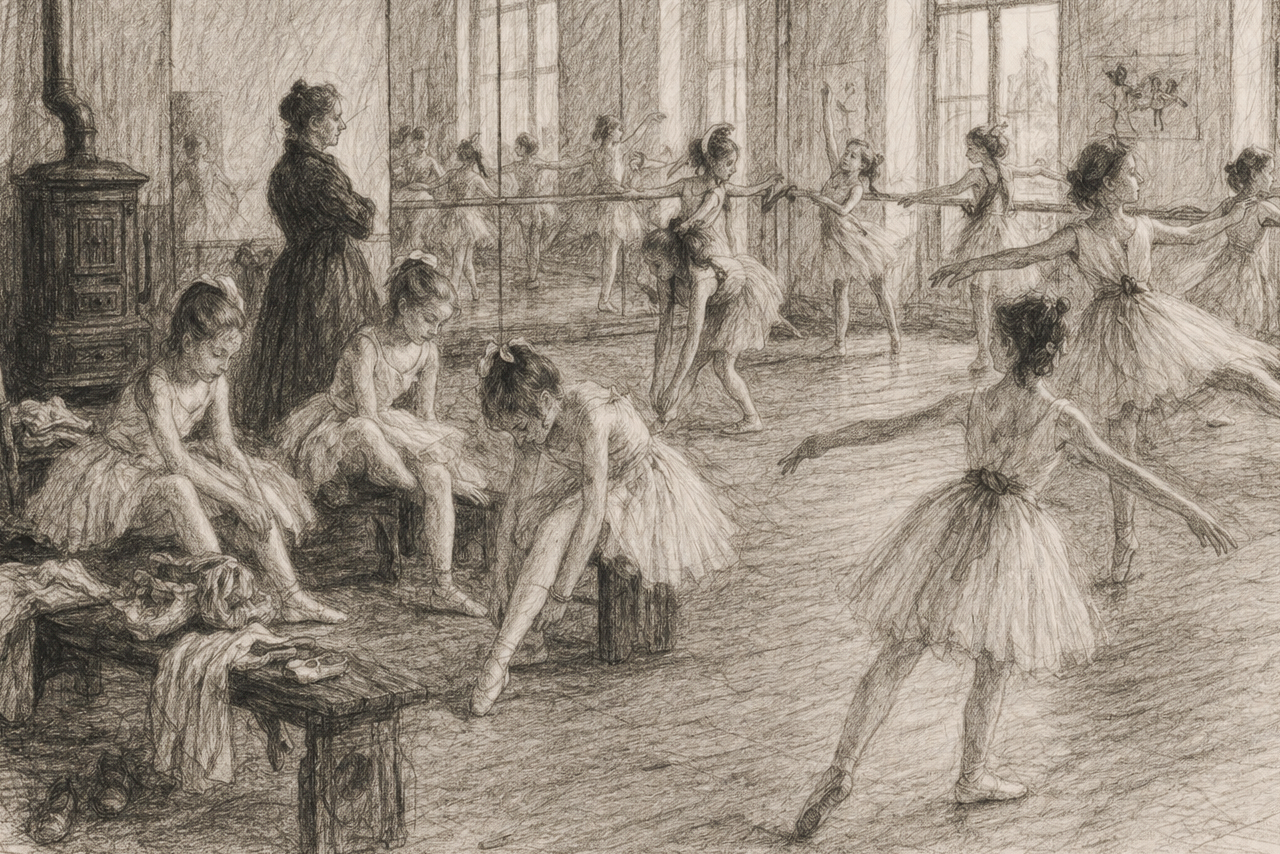
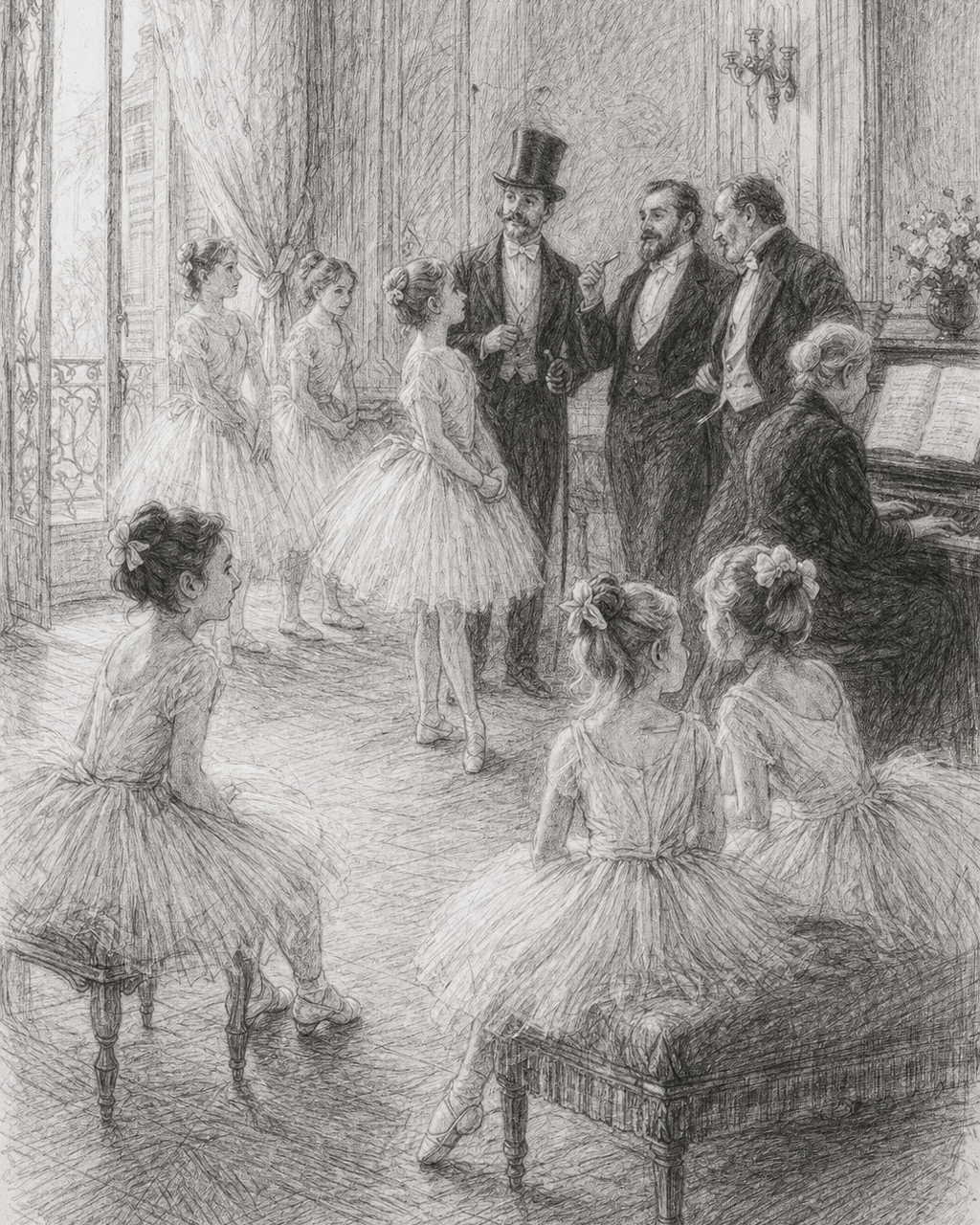
In 1878, at the age of thirteen, Marie van Goethem entered the Paris Opera Ballet School. Like many other girls from poor backgrounds, she was part of the group known as les petits rats – the “little rats of the opera.” These girls prepared from an early age for a career in ballet. Conditions were harsh: demanding training, strict discipline, and at the same time the financial pressure of families, who often counted on their daughters to support the household with their future earnings.
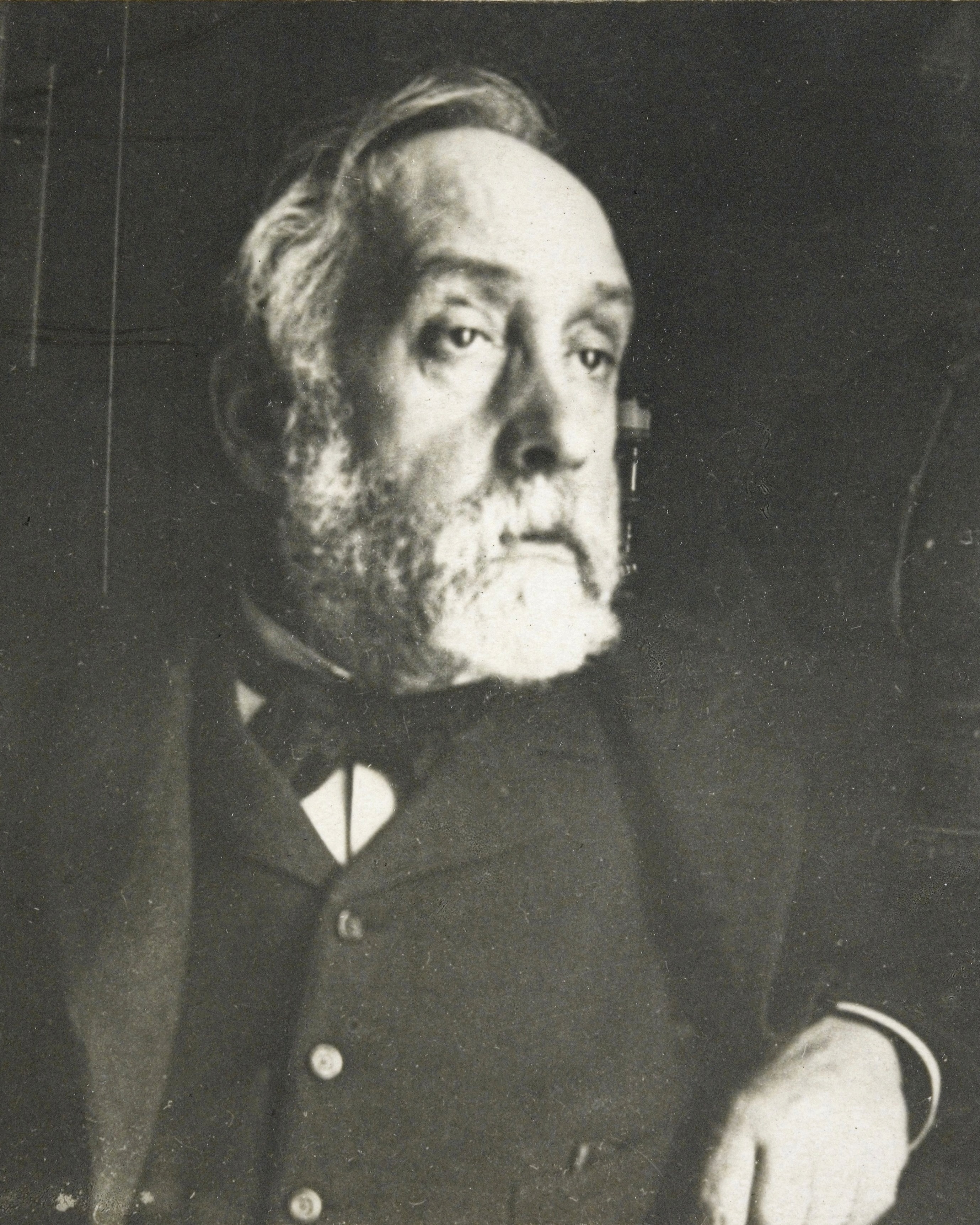
Marie made her debut around 1880 as a member of the corps de ballet. At that time, she began to appear regularly backstage at the Opera, where she caught the attention of the painter Edgar Degas.
Degas and His Model
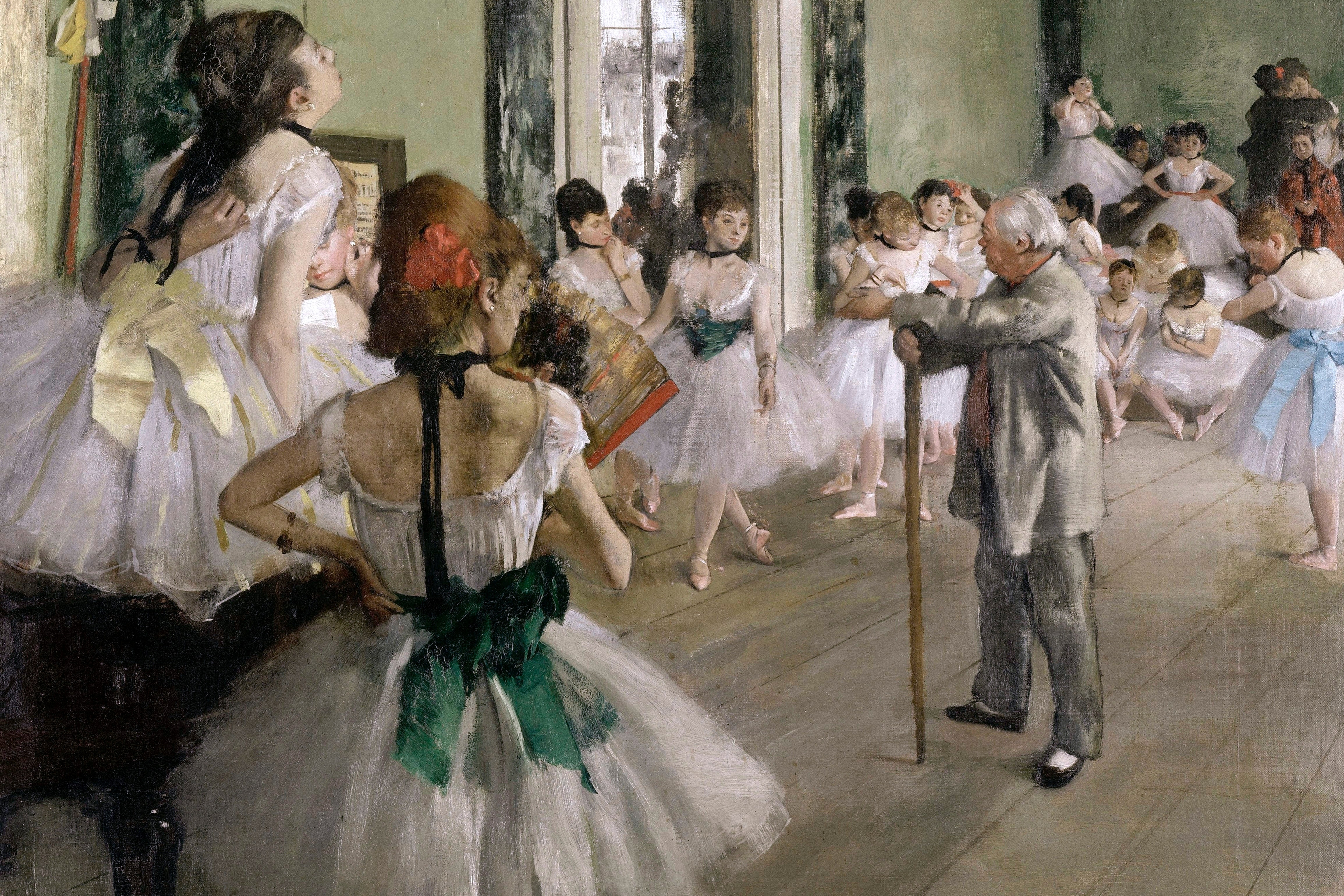
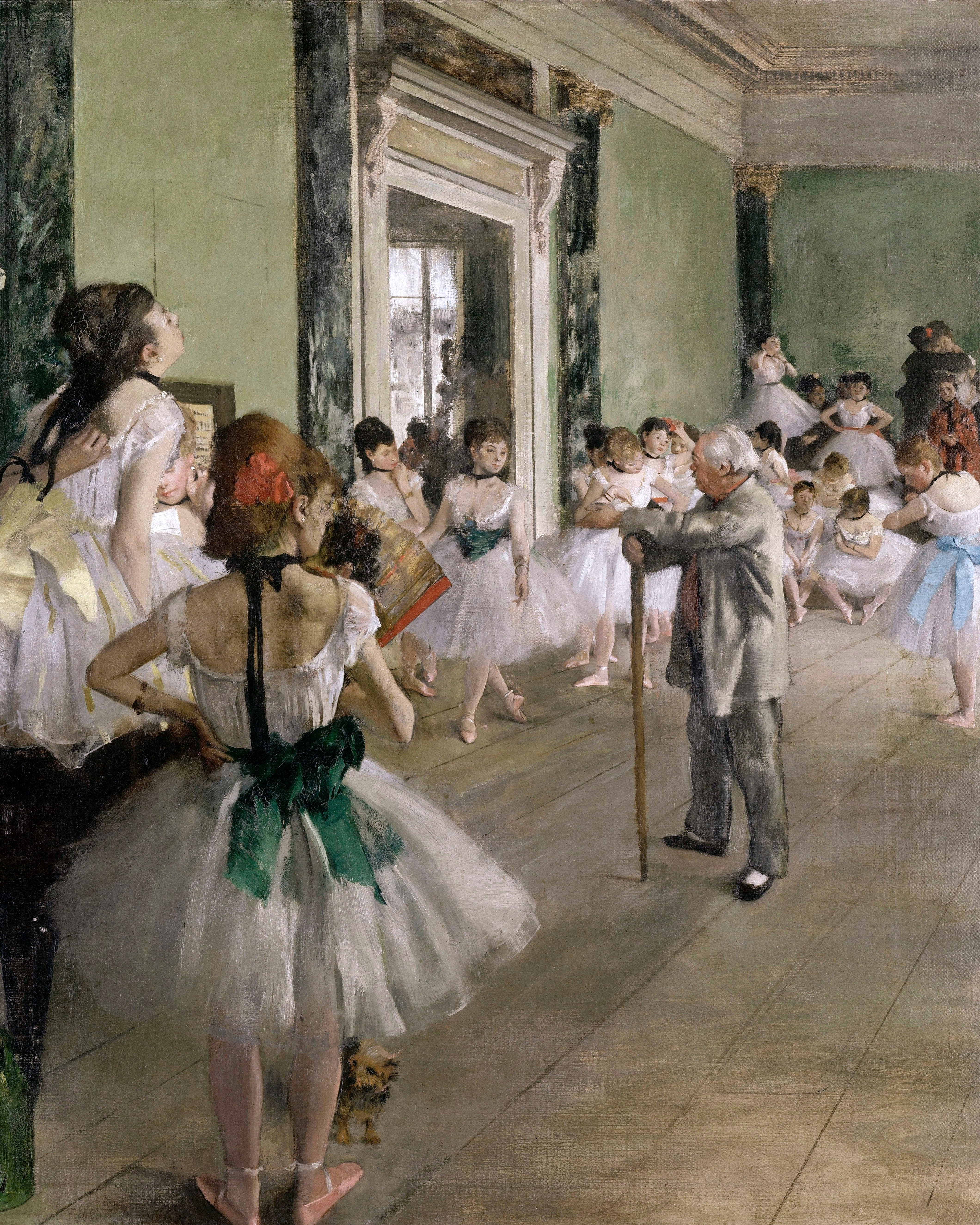
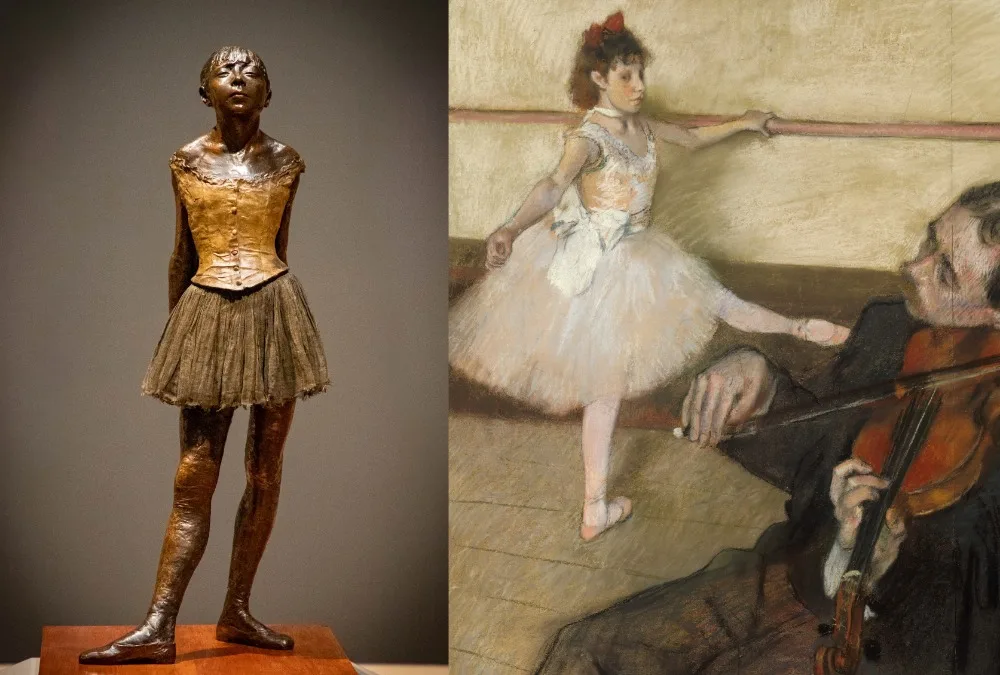
Degas sought inspiration not in dazzling poses on stage but in the ordinary moments backstage: when dancers adjusted their costumes, rested, stretched, or simply waited. Marie became one of his favorite models. She posed for his drawings, paintings, and the famous sculpture Little Fourteen-Year-Old Dancer (La Petite Danseuse de Quatorze Ans).
This wax sculpture was first exhibited at the sixth Impressionist exhibition in 1881. Degas created it with unusual realism: a real ballet tutu, a satin ribbon, even human hair. The audience was shocked. Critics described it as “ugly,” “animal-like,” or even “repulsive.” The girl was not idealized – she was thin, bony, with sharp features and a stern gaze. Degas revealed the reality of the lives of young dancers, breaking with the era’s conventional ideas of beauty and art.
Scandal and Immortality
The reaction at the exhibition was stormy. Some saw the sculpture as a brilliant artistic achievement, while others considered it an insult to good taste. After Degas’s death, bronze casts were made from the wax original, and today they are among the most famous sculptures of the 19th century. Through them, the name of Marie van Goethem became forever linked to the history of art.
A Mysterious Fate
Her own life story, however, was not so illustrious. In 1882, Marie was expelled from the ballet due to frequent absences. After that, she virtually disappeared from official records. Historians believe she may have ended in anonymity or become entangled in Paris’s underworld, where many former petits rats earned a living through prostitution. Her sister Antoinette was indeed charged with theft and had trouble with the law, which further supports suspicions about the family’s difficult fate.
A Symbol of the Harsh Life of Ballerinas
Whatever her later destiny, Marie van Goethem remains today a symbol of the harsh lives of young ballerinas in the 19th century. The sculpture of the Little Fourteen-Year-Old Dancer became an icon of realism and showed that art does not have to idealize – it can also reveal the truth.
Thus, despite her short and most likely difficult life, Marie became immortal – a reminder of what lay behind the glittering curtain of the Paris Opera.