

Japanese ukiyo-e prints
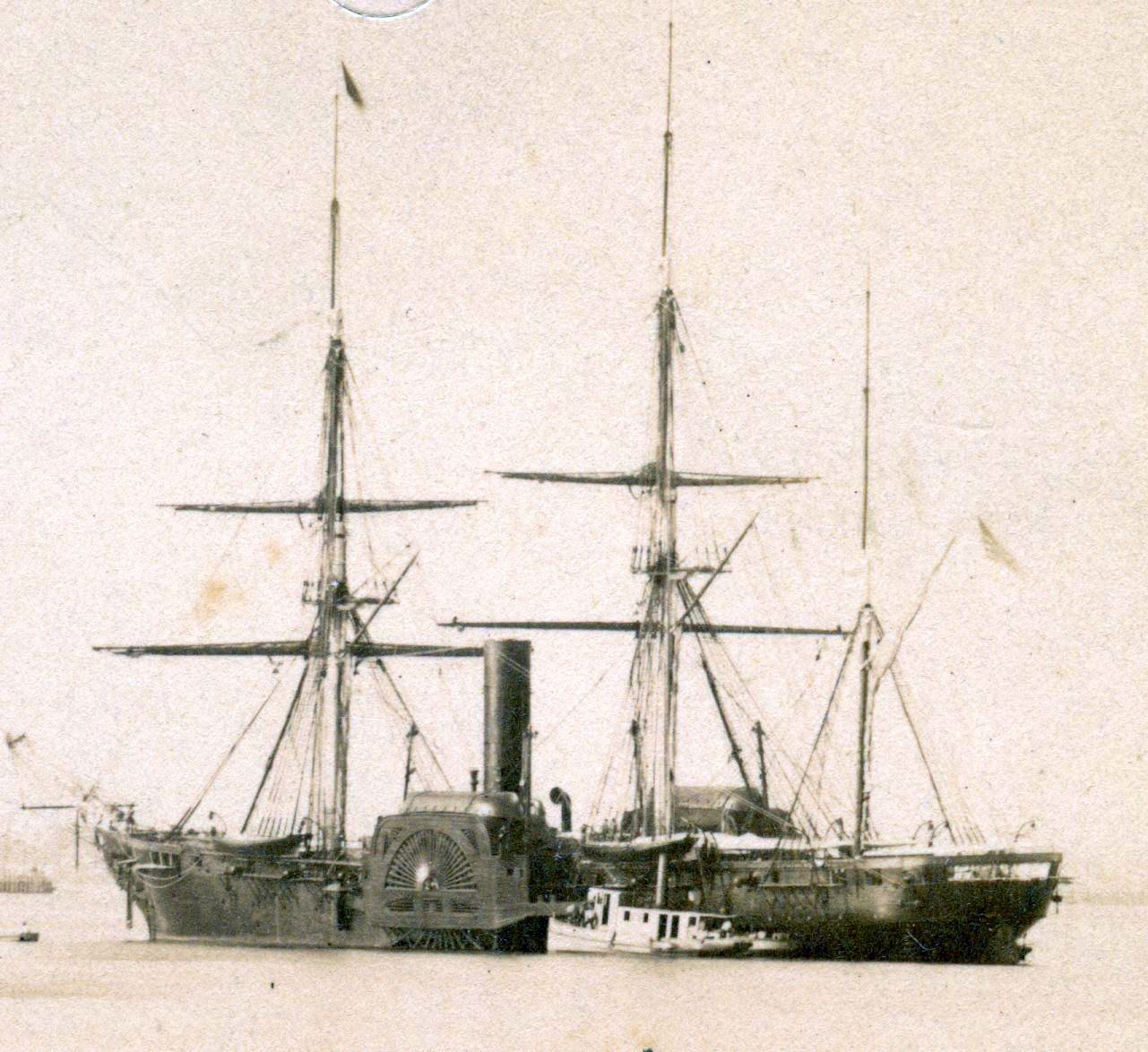
When, in the mid-19th century, began to appear in Europe the first Japanese woodblock prints, few people realized that one of the most decisive cultural turning points of modern art was unfolding. Japan had been almost completely closed to the outside world for more than two centuries. The breakthrough came in 1853–1854, when the American naval expedition of Commodore Matthew Perry arrived in the bay off Edo with warships (the so-called “black ships”) and backed its demands with a show of force and the threat of using weapons. The shogunate then, under this pressure, agreed to negotiations, opened selected ports, and concluded the first agreements with the West; this gradually loosened foreign trade and the flow of objects that soon began appearing in Europe. Only in the 1850s, after the ports were opened to foreign trade, did its art begin reaching Europe on a larger scale. This was not an official export of art in today’s sense—Japanese ukiyo-e prints were often regarded as cheap popular images rather than collectible artifacts.
Prints reached Europe primarily through merchants, sailors, and importers of porcelain, silk, and tea. The first woodblock prints* often served merely as wrapping paper to protect goods. Yet these “worthless” pictures found their way into the hands of European artists and art lovers, who immediately recognized something radically new in them—an image language that completely defied academic rules and profoundly influenced many of them.
What are Japanese ukiyo-e woodblock prints
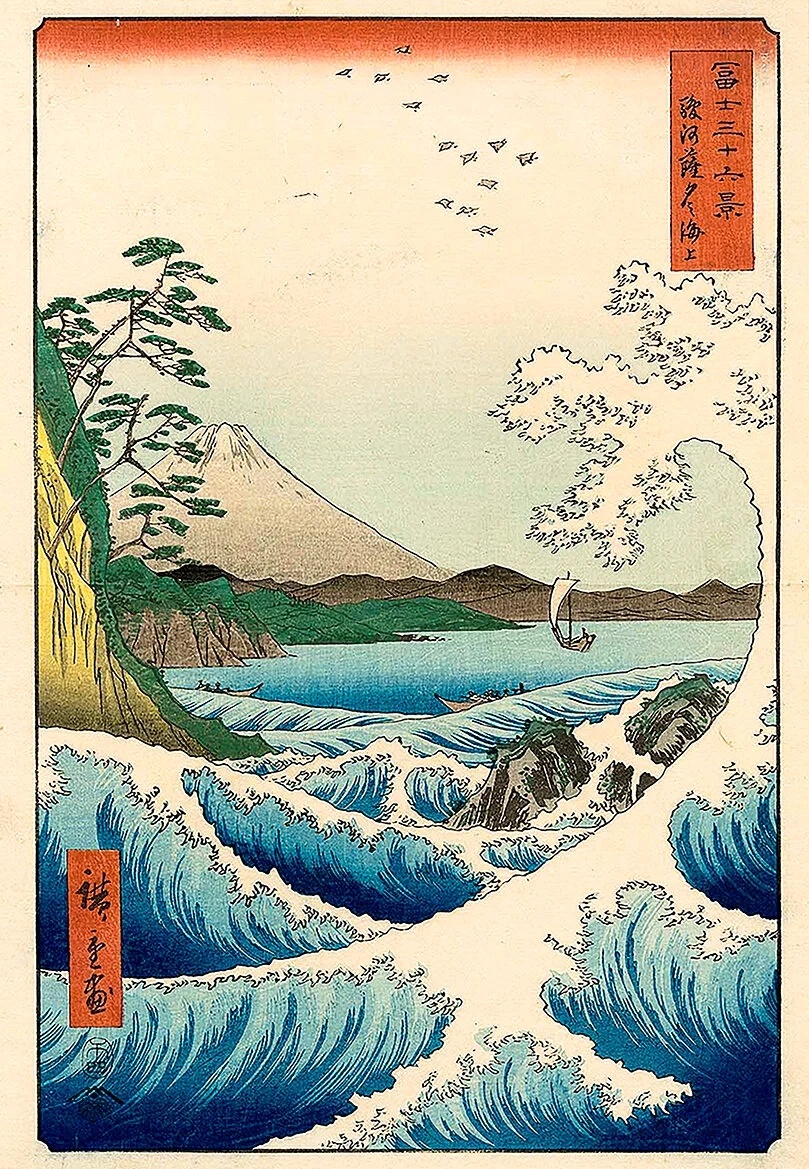
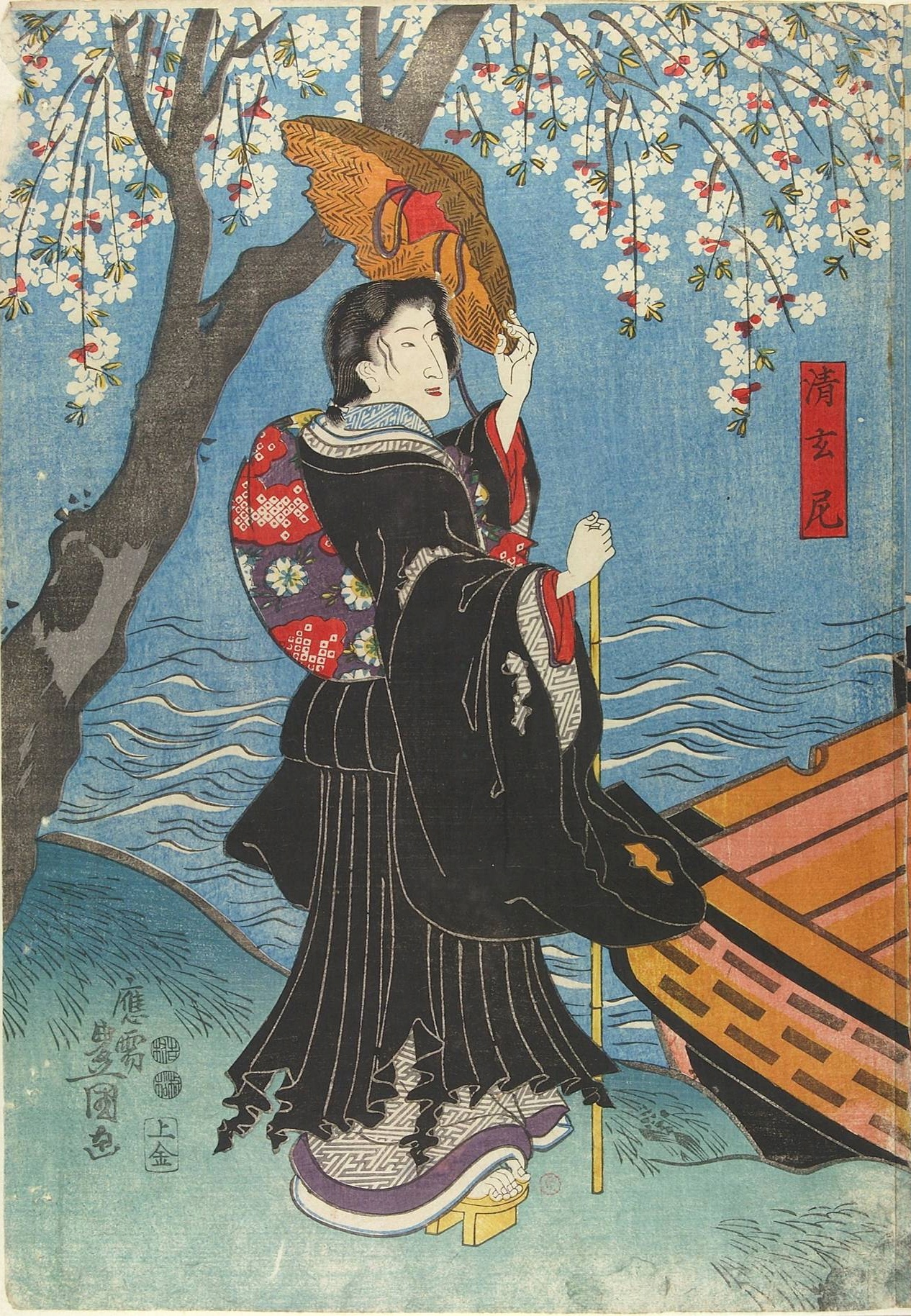
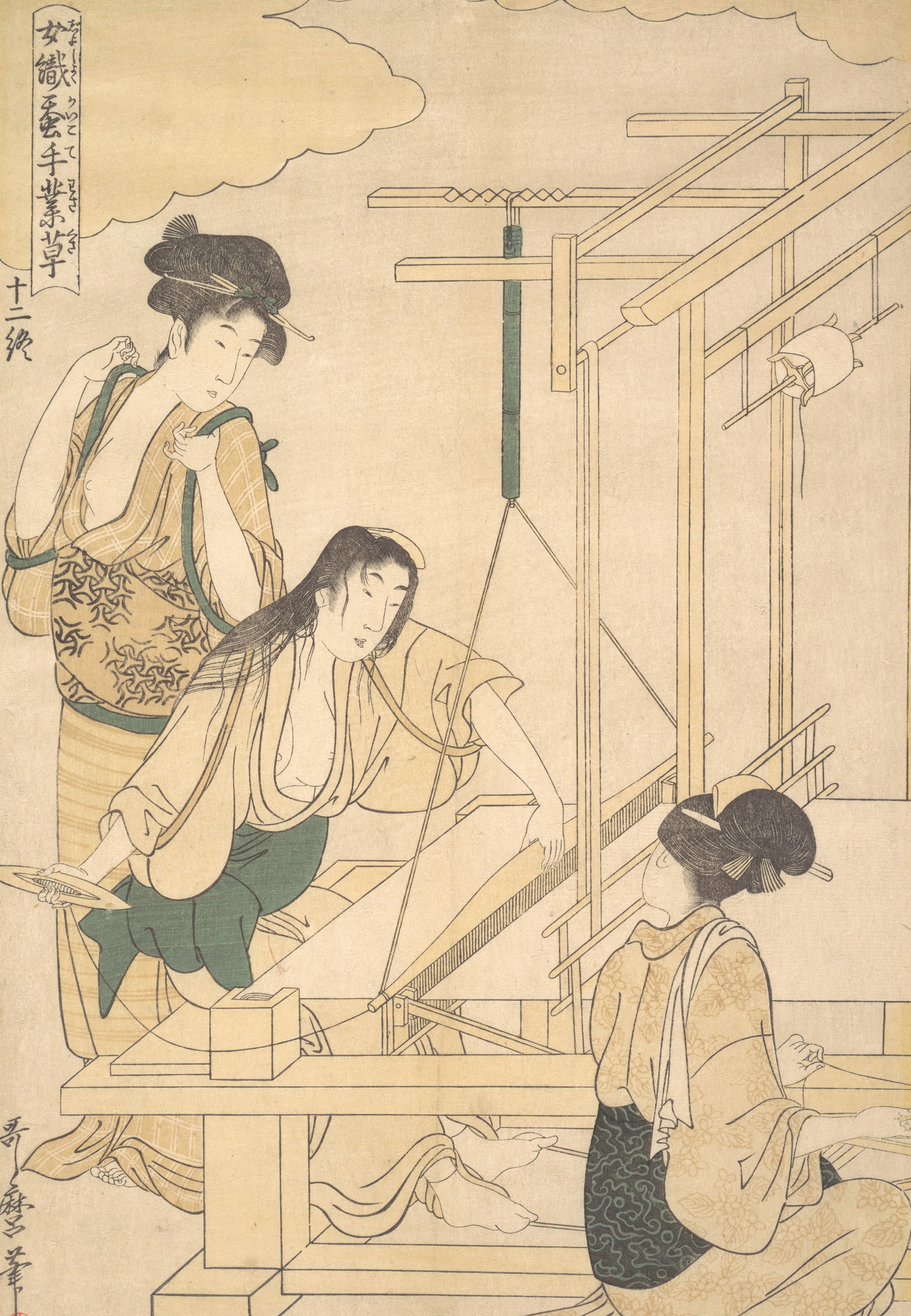
Ukiyo-e woodblock prints (“pictures of the floating world”) emerged in Japan as mass-available graphics—something between art and popular culture. They depicted the urban life of the Edo period: kabuki acting stars, entertainment districts, beautiful women (bijin-ga), sumo wrestlers, landscapes, famous bridges, rain, snow, and the quiet of ordinary moments. They were not unique originals like oil paintings, but sophisticated prints made from carved woodblocks, thanks to which an image could circulate in the hundreds to thousands of copies.
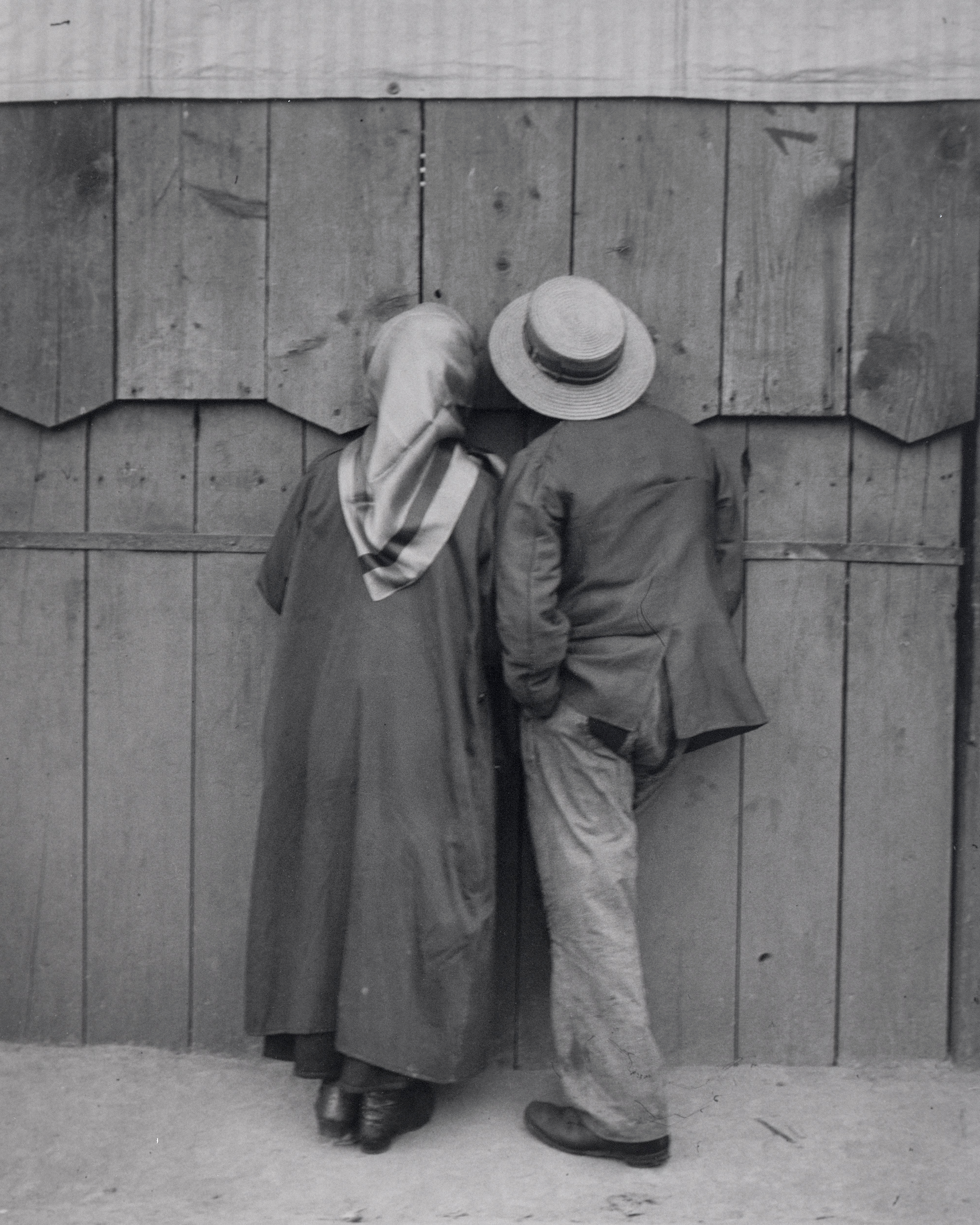
What fascinated Europeans most was how they were made: flat areas of color without classical modeling through shadow, strong clean lines, vivid colors, empty space, and compositions unafraid of asymmetry or an “unexpected crop.” Figures are often partly outside the image, the horizon sits high, and the perspective is deliberately different from the European one—the image feels like a slice of reality, a moment captured away from the center of the action. This was a revolution for European painters and printmakers: suddenly they saw that an image did not have to be “properly” constructed according to academic rules, and yet it could be powerful, alive, and modern.
Japonism: Paris flooded by Japan
As Japanese prints began to appear more frequently in Europe, they quickly found their way to Paris – the artistic center of the time. At first they seemed like a curiosity, but soon they became a phenomenon. People bought them at markets, in shops with Oriental goods, and from print dealers; gradually an entire network of sellers emerged who imported Japanese prints deliberately. A major impulse came from the world’s fairs (especially Paris 1867), where Japanese art was presented on a large scale and the European public began to see it as something more than just exotic decoration.
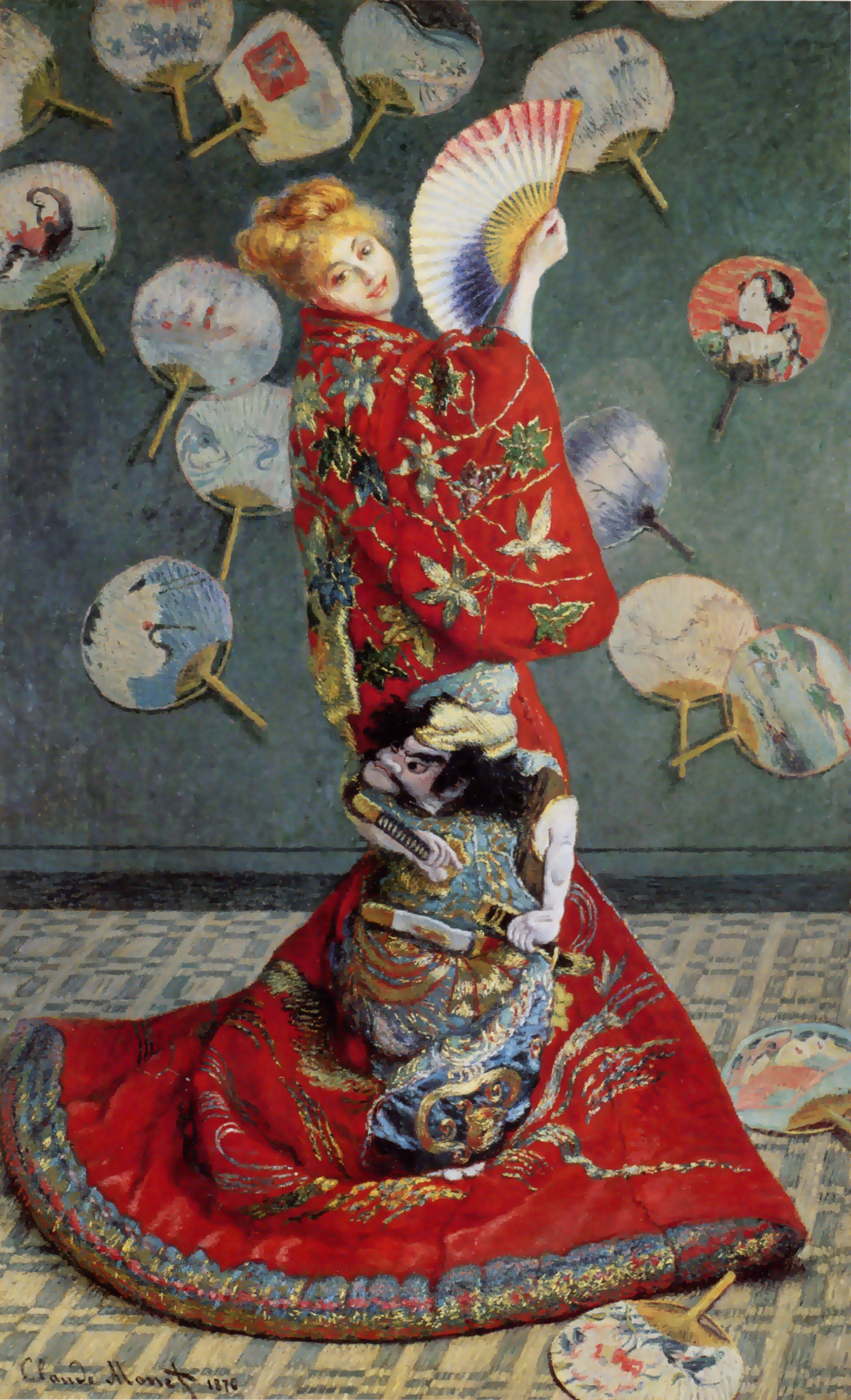
Among artists and collectors, a literal “Japanese fever” was born – japonisme. Some hung entire walls of ukiyo-e at home as a visual library of ideas; others studied them analytically for composition, cropping, work with line, and empty space.
Gradually it also became a targeted import: what at first circulated among a few enthusiasts at flea markets became so sought after by collectors and artists that prints were already being brought to Europe consciously “to order”. In demand were specific famous sheets and names – for example Katsushika Hokusai, Utagawa Hiroshige, Kitagawa Utamaro, or Tōshūsai Sharaku – and around them a market quickly formed where rarity, condition, print quality, and the attractiveness of the motif decided.
From a few accidental purchases, within a few years it became a big business: specialized importers and dealers appeared, catalogues and exhibitions were created, and japonism transformed from a “curiosity” into an established collecting passion – with prices, speculation, and prestige that belong inseparably to modern art. And it wasn’t only about prints: a similar mania gradually extended to almost everything “from Japan” – ceramics, lacquered objects, textiles, fans, folding screens, kimono, and small decorations – because Europe saw in it a new taste, a new order, and a new kind of beauty.
Japanese “naughty” pictures: shunga and the European surprise
Alongside landscapes and elegant portraits, erotic woodblock prints known as shunga (literally “spring pictures”, with “spring” being a traditional euphemism for intimacy) also made their way to Europe. In Japan, this was a common genre of visual culture – open, sometimes humorous, often highly virtuosic in drawing and composition. It did not arise on the margins: shunga were created by the very same masters whose “neutral” prints hang in museums today – for example Hokusai, Utamaro, or artists of the Utagawa school.
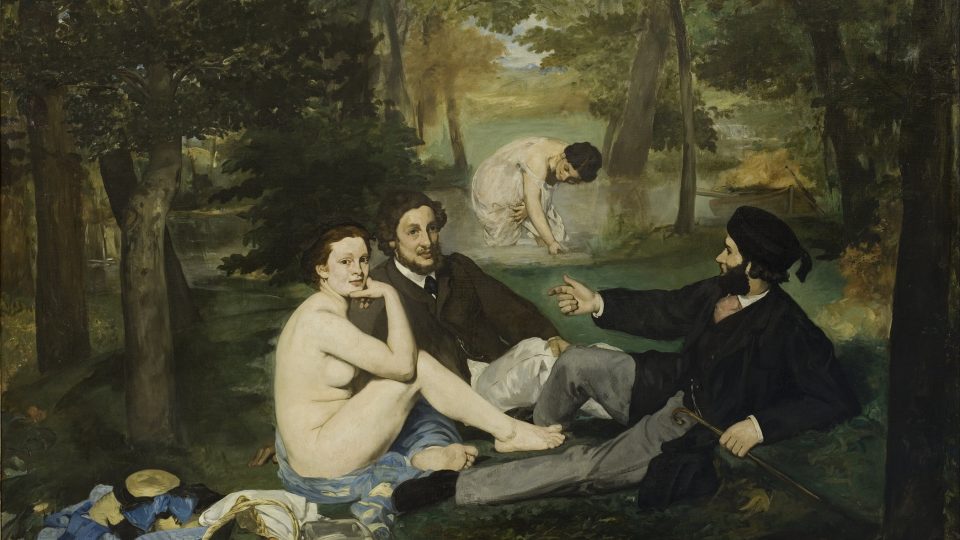
What shocked Europeans about shunga was mainly the cultural contrast. In the European tradition, nudity in art for centuries was considered “acceptable” chiefly when it had the cover of mythology, allegory, or religion – a nude body could be Venus, a nymph, or a biblical figure, but only rarely simply a contemporary person without an excuse. When paintings appeared in the 19th century that stripped nudity of this cover, they caused scandal precisely because they seemed too real and too contemporary – a typical example is Manet’s Luncheon on the Grass.
In the Japanese context, sexuality and intimacy were understood differently: not as a moral problem, but as a part of life that can be depicted without pathos and without the need for “justification”. This very matter-of-factness surprised European audiences – and at the same time attracted artists who were looking for a freer way to deal with reality. Even though shunga in Europe often circulated more in private and in collections than in public view, its presence contributed to a loosening of the view of the body in modern art and graphic art.
How Japanese woodblock prints influenced art
For many European artists, it was above all a school of composition: it showed that an image can be a slice of reality, that empty space has the same weight as the motif, and that line and plane can replace academic shading. Everyone took something different from it – and that is why it had influence across painting, printmaking, and later photography.
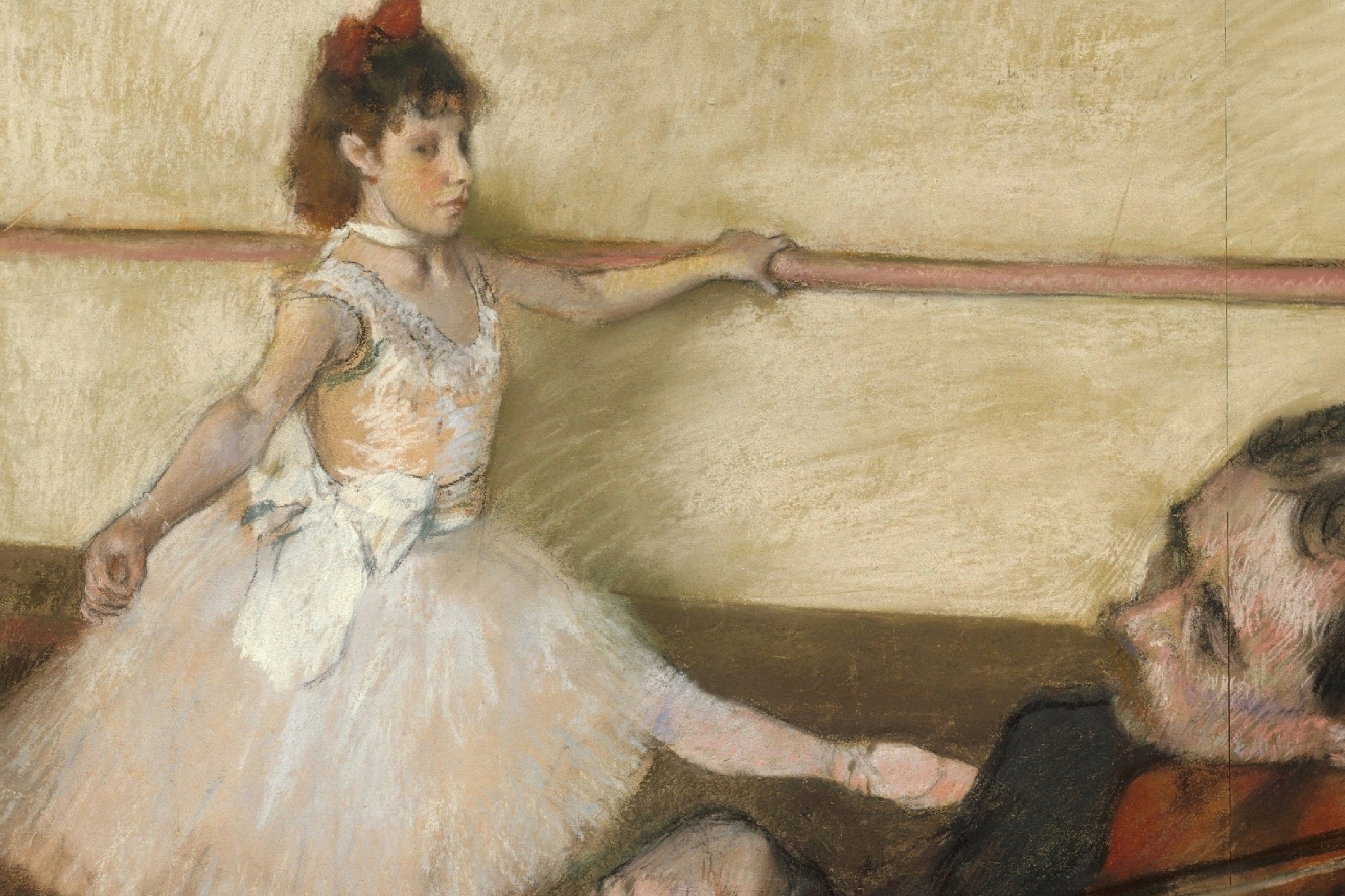
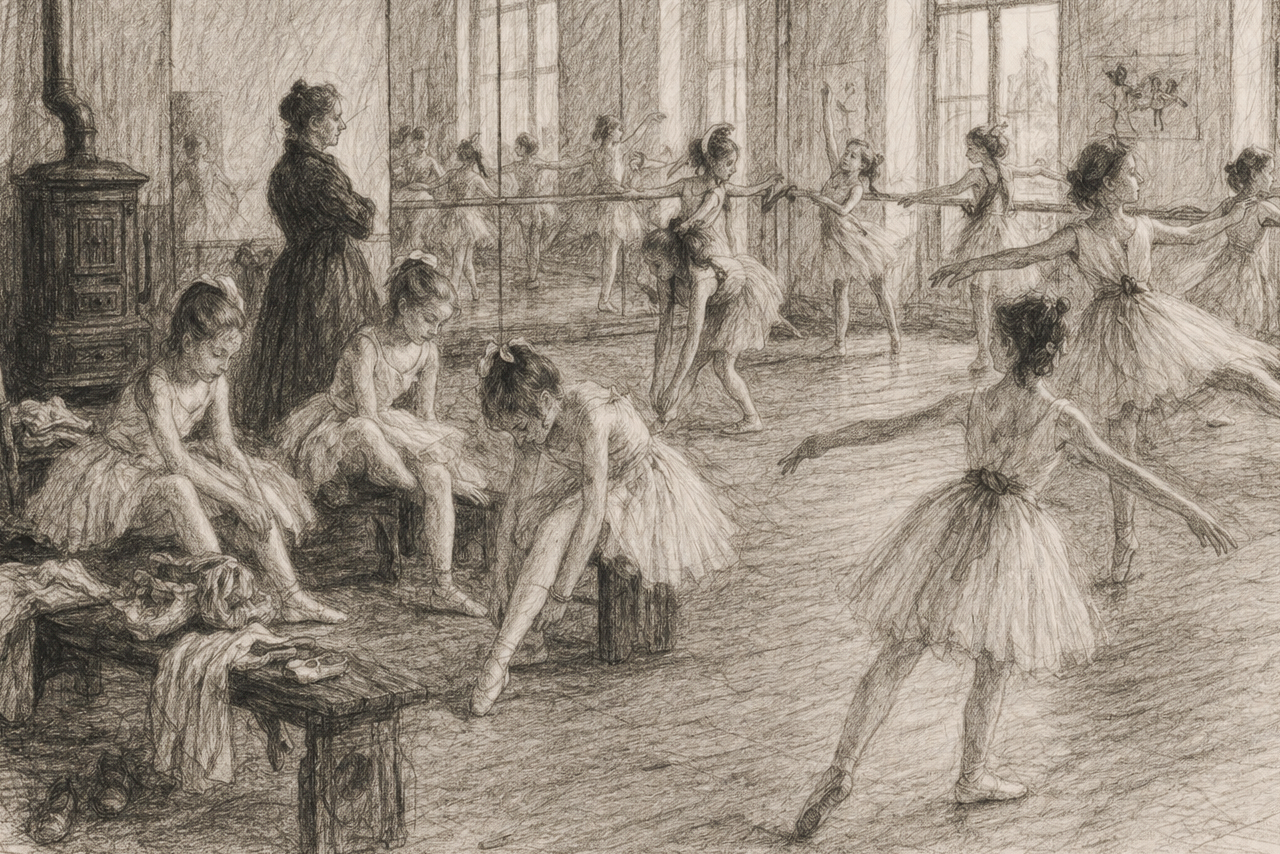
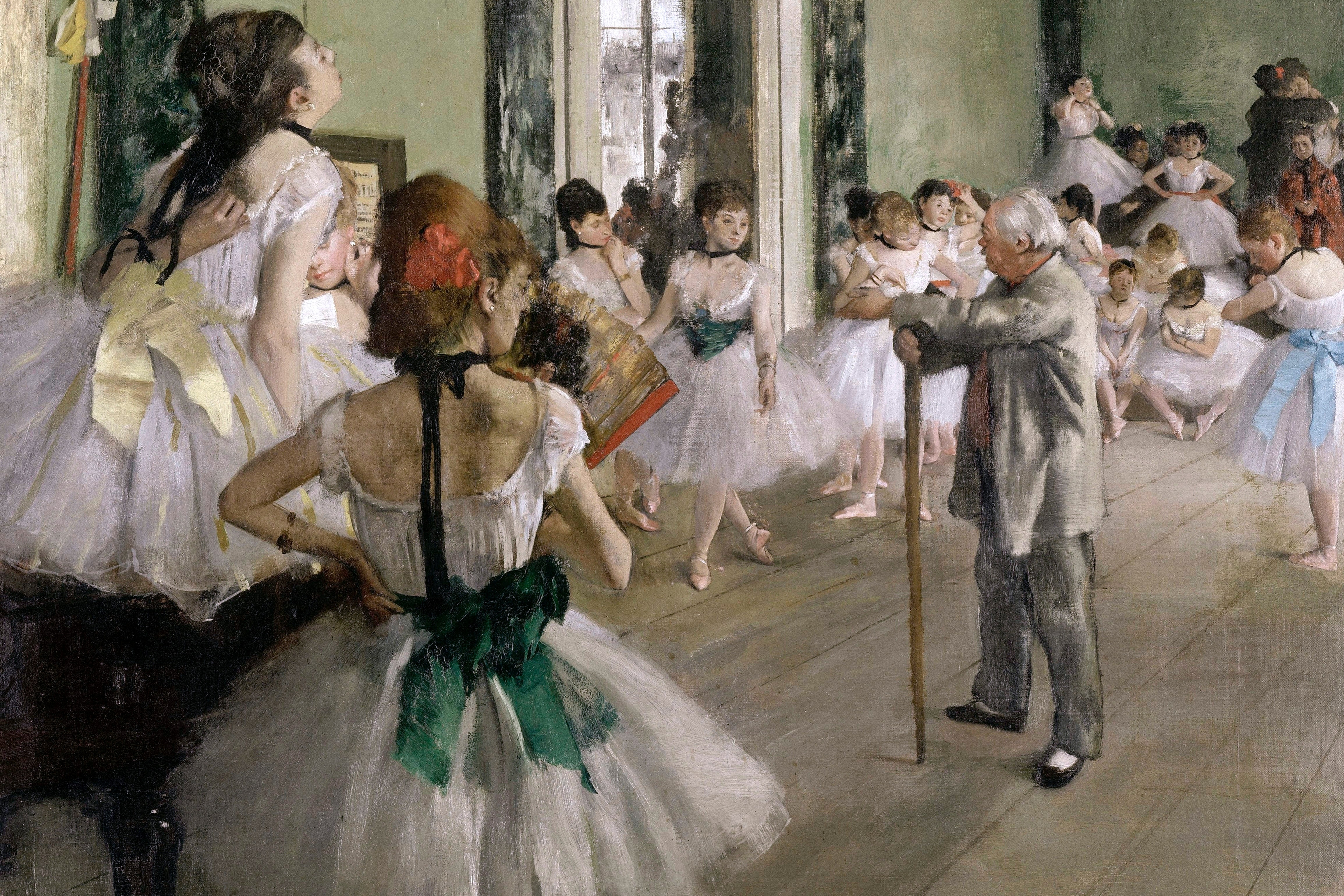
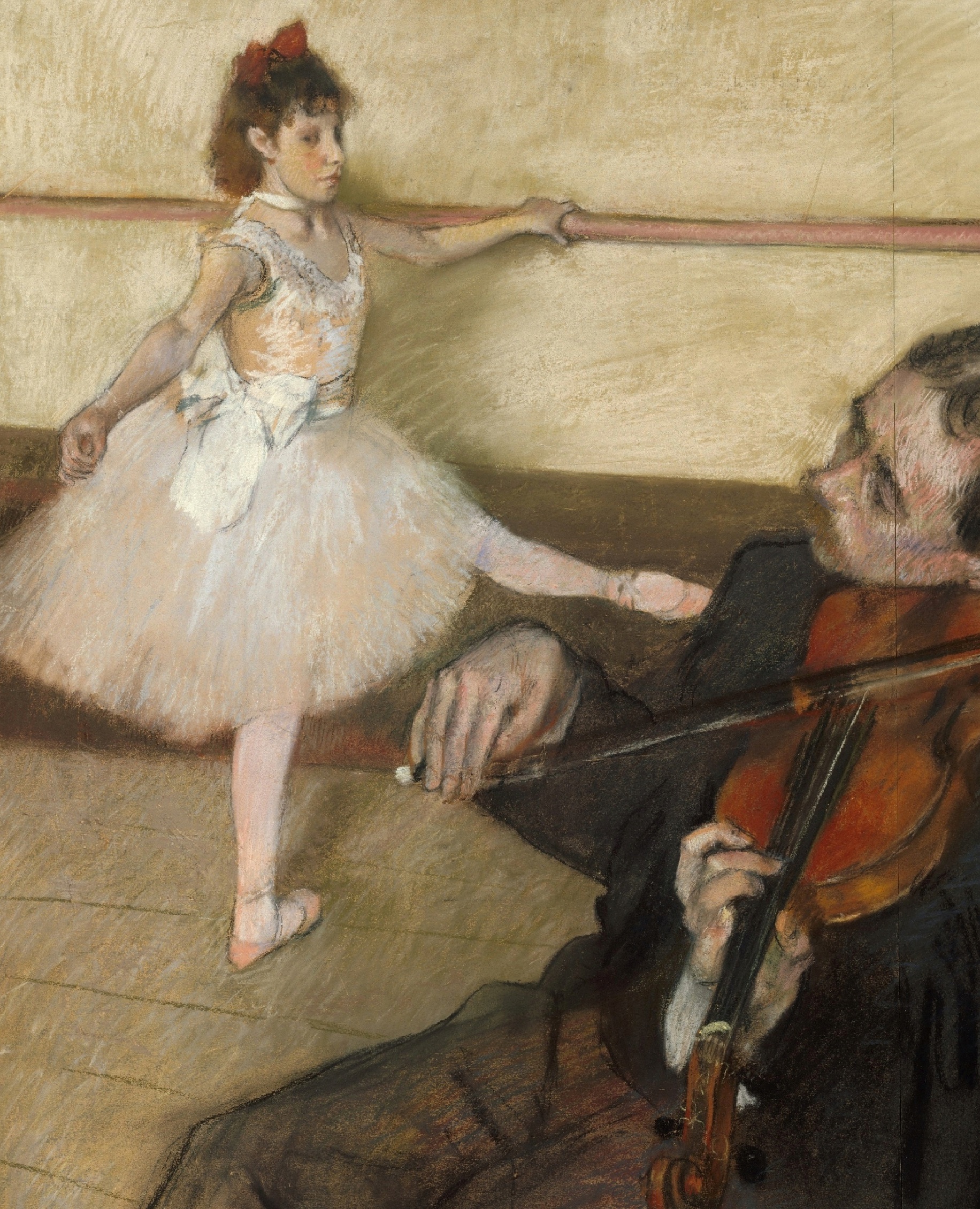
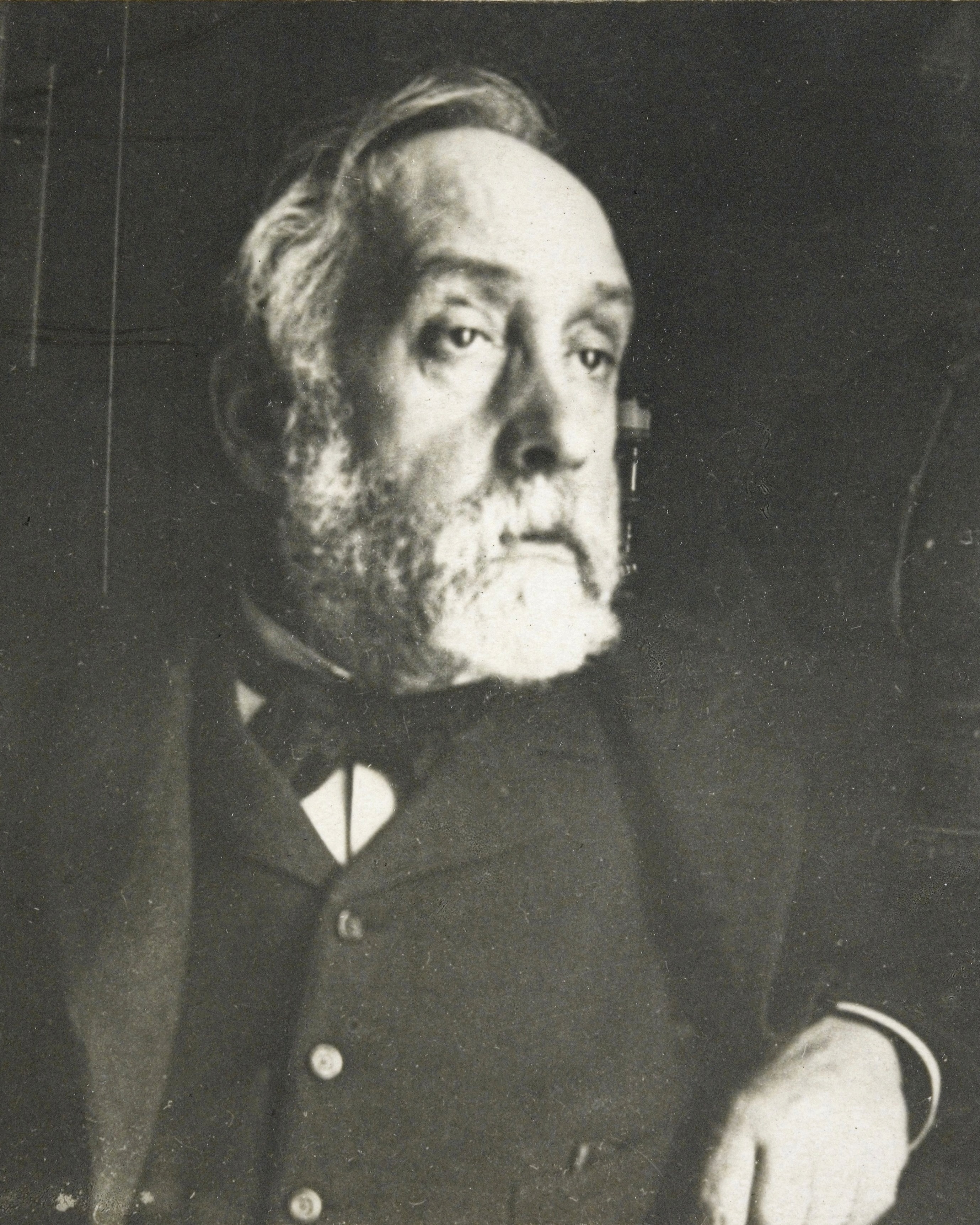
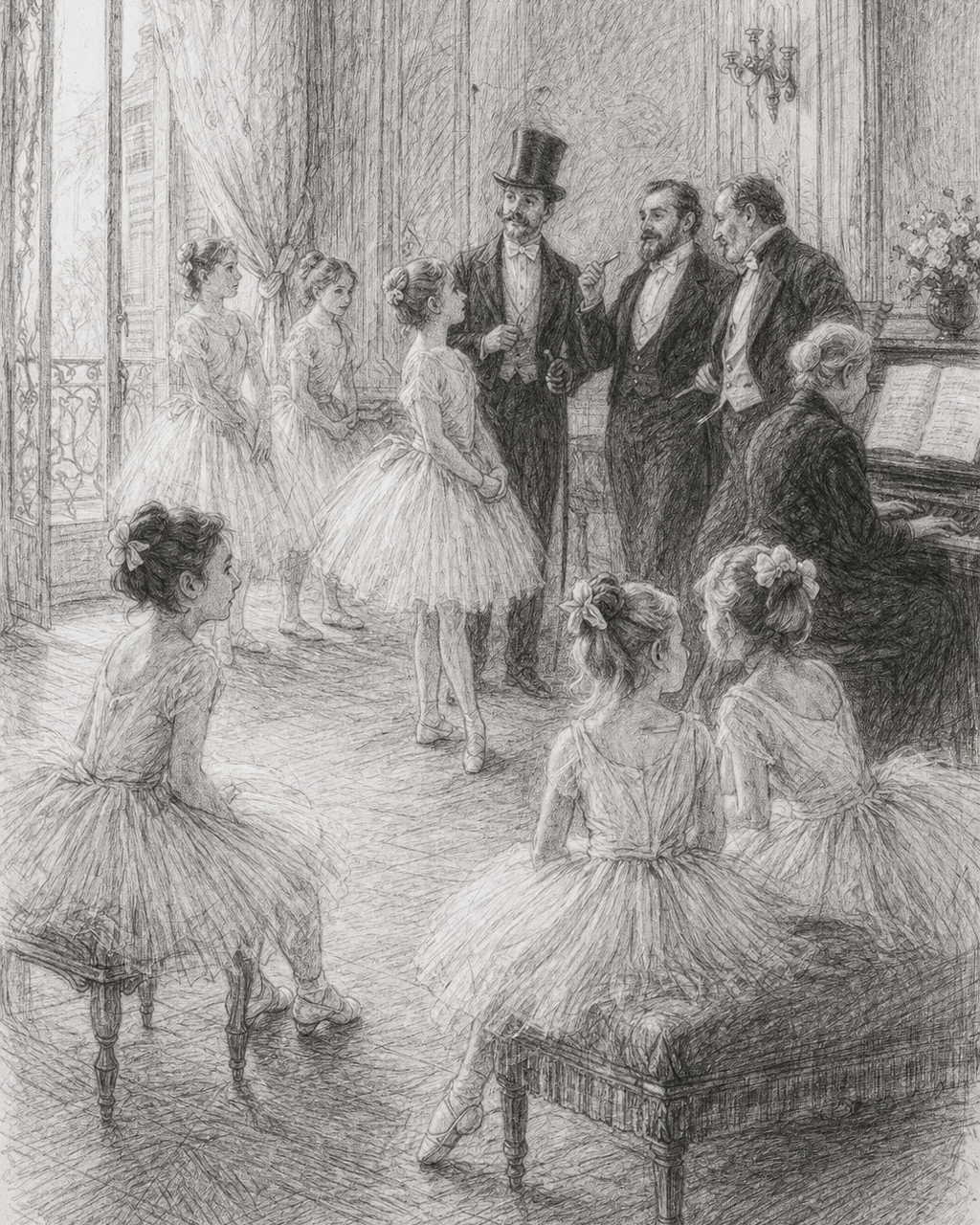
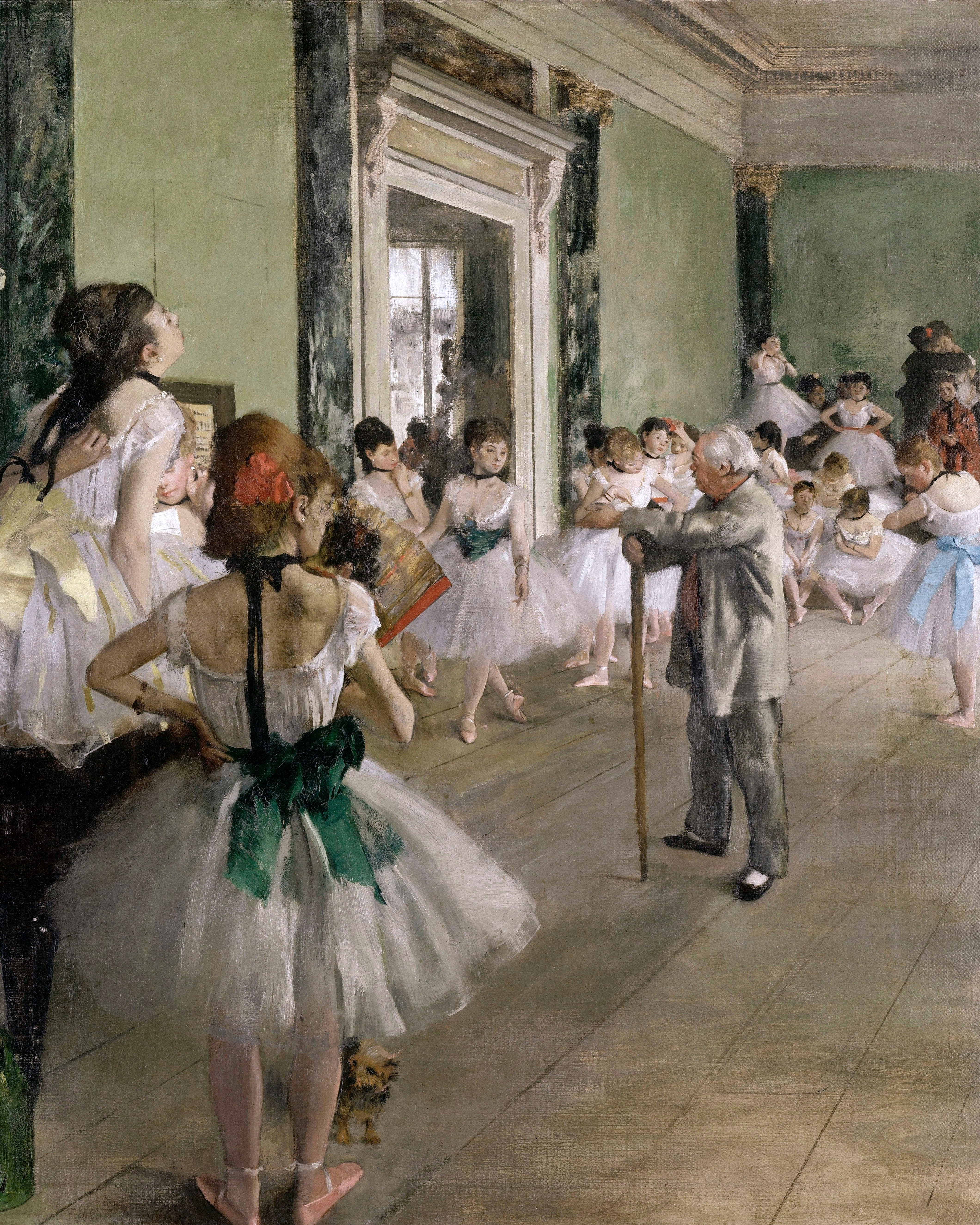
Edgar Degas found in Japanese prints the courage for unexpected viewpoints and “cut-off” compositions. Instead of a centrally balanced scene, he worked with a moment that seems to continue beyond the frame. His ballerinas and backstage scenes therefore do not feel like a pose, but like an observed instant.
Claude Monet hung Japanese prints at home as visual study material and carried their principles into his own world: the rhythm of repeated motifs, flatness, and a sensitivity to atmosphere. The Japanese emphasis on season, light, weather, and the “presence of the moment” is felt very strongly in his late work.
Pierre-Auguste Renoir, under the influence of japonisme, was not afraid of decorative surfaces and patterns: in portraits and figurative scenes, textiles, wallpapers, and props (fans, folding screens) appear more often, functioning as a strong graphic element. Instead of “modeling” volume with academic shadow, he lets some passages read more flatly and builds the picture on the rhythm of lines and fields of color.
Camille Pissarro was among those who perceived japonisme also as a school of looking at everyday life. He was drawn to the ability to capture an ordinary motif without pathos, with a higher horizon and a clearly led composition. In graphic work (etchings and woodcuts), Japanese prints confirmed for him that line can carry atmosphere and space—without the need for “academic” depth.
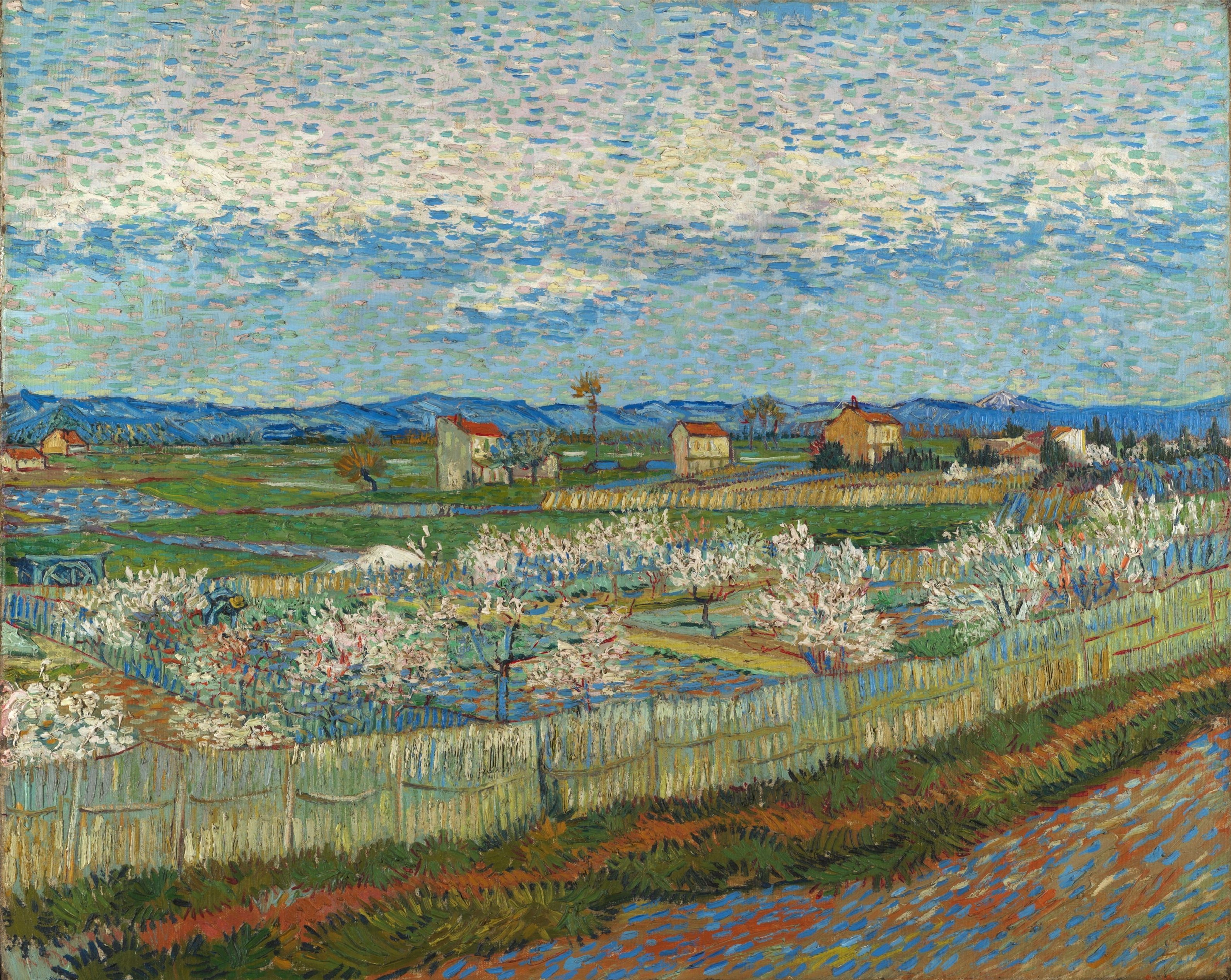
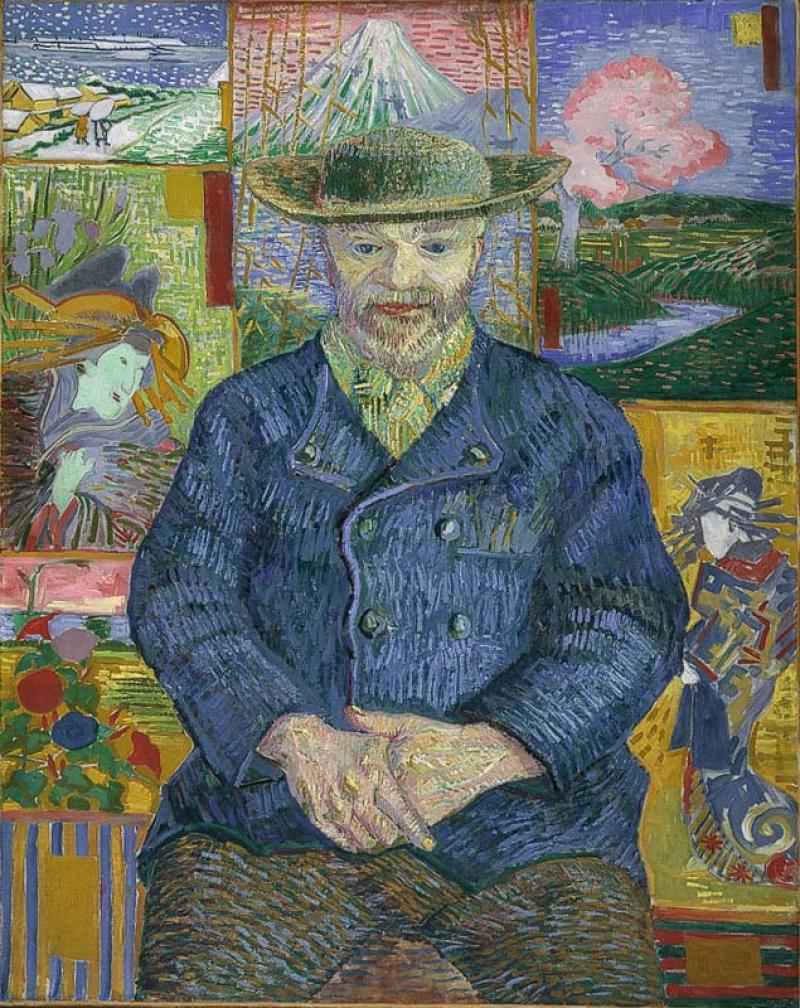
Vincent van Gogh went the most directly: he collected ukiyo-e, exhibited them, and even repainted some sheets to understand their color, contour, and construction. For him, Japan was not only a style, but an ideal of pure seeing—an image without academic heaviness, clear and intense.
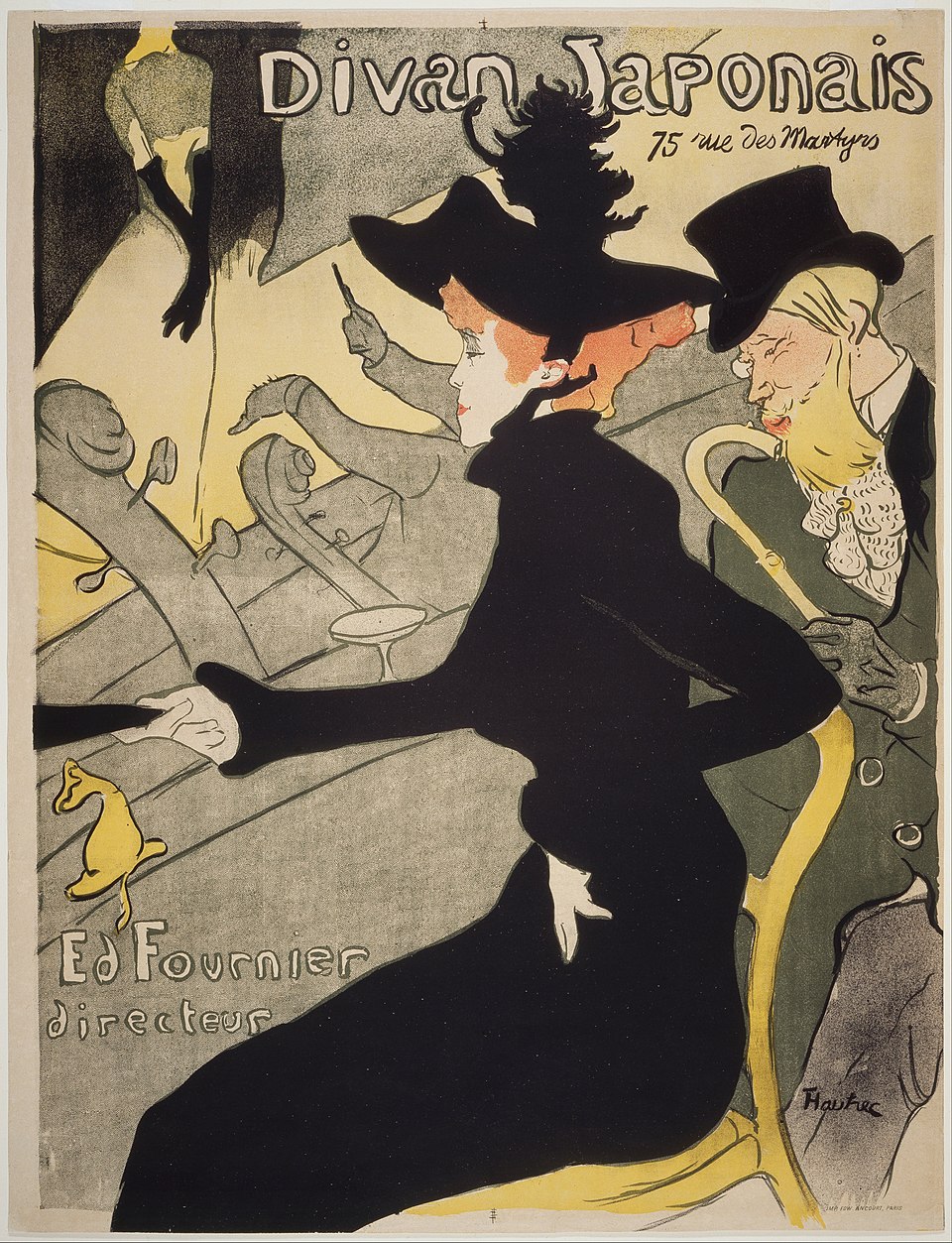
In graphic art and the poster, the Japanese influence appeared quickly and visibly. Henri de Toulouse-Lautrec adopted the principles of modern visual language: strong contour, large areas of color, simple silhouettes, and bold cropping of figures. Thanks to this, the poster was born as a modern medium of the city.
Japonisme had a strong impact outside France as well. James McNeill Whistler adopted Japanese restraint, empty space, and work with tone. Mary Cassatt drew on Japanese compositional principles when depicting women and motherhood—clear line, an intimate crop of the scene, emphasis on gesture.
And finally: japonisme helped European art stop fearing flatness and decorativeness. This is exactly where the path leads to Art Nouveau and modernity—to ornament, graphic thinking, and an image that is as much a sign as it is a depiction. In Art Nouveau this showed in a love of contour, stylization, and “wallpaper-like” surfaces (often inspired by the Japanese rhythm of motifs), and also in the fact that applied graphics—poster, book cover, illustration—gained a similar weight to painting. It is no coincidence that artists such as Alphonse Mucha or the Vienna Secession (e.g., Gustav Klimt) worked with flat composition, ornament, and empty space in a way that would have emerged in Europe much more slowly without japonisme.
Vincent van Gogh (letter to Theo, 15 July 1888)
“My whole work is, in a way, based on Japanese art…”
Vincent van Gogh (letter to Theo, 23 September 1888)
“Japanese art, it seems to me, cannot be studied without our becoming much happier and more cheerful.”
James McNeill Whistler (lecture “Ten O’Clock”, 1885)
“Look how the Japanese understand it!”
Mary Cassatt (letter to Berthe Morisot, around 1890)
“You who want to make color prints—could you dream of anything more beautiful.”
Camille Pissarro (on Mary Cassatt’s prints, 1891)
“The result is admirable, beautiful like Japanese work.”
Auguste Rodin (letter to Arishima, 1910)
“I have drawn all my life; my art is approaching the Japanese.”
Did Japanese woodblock prints give birth to modern painting?
This question tempts a simple answer, but history is never simple. Everything is interconnected: even without Japanese woodblock prints, modern painting would almost certainly have been born – it might just have taken a slightly different path and a different rhythm. Japonisme was one very strong impulse that showed that an image can be a slice of reality, that empty space has power, and that composition does not have to obey academic rules. But alongside it there existed an entire network of other circumstances that determined the direction.
The invention of paint in tubes (patent 1841) simplified working outdoors and freed painters’ hands for a rapid record of the world. The modern world quite literally opened up the landscape to them – the railway made it possible to go beyond the city, into the forest or to a river “en plein air” and return within a single day, and also the invention of photography, which gradually took over the role of precise copying of reality and freed painting from the duty of faithfully depicting the world. With the rise of the middle class in the 19th century, paintings entered the homes of ordinary people, whereas earlier paintings could be afforded almost exclusively by the Church or the nobility, who upheld “traditions” in art.
People were just as important: advocates who promoted the young “troublemakers” despite ridicule and resistance, such as Émile Zola, or the small shopkeeper Julien “Père” Tanguy, who supplied them with painting materials and when they had nothing to pay with, they paid with paintings instead of money. The teacher Charles Gleyre, who drilled them in craft foundations, even though they later defined themselves against his academic “ideal.”
And then there was the needed hand of the market: the dealer Paul Durand-Ruel, who risked reputation and money for young artists and in 1886 organized a major exhibition of the Impressionists in New York (American Art Association) – and it was precisely American interest that then helped change European acceptance as well.
None of these things alone would have caused a revolution, but together they steered art onto the path we now take as self-evident. And the Japanese woodblock print was one of the most beautiful and most influential catalysts within it.